"A Piece of Lithuania": Marshall Erdman and Madison's Žaibas

English translation of the documentary episode „Dalelė Lietuvos“. Žemaičio Maušo Erdmano sėkmė JAV ir Madisono šokių kolektyvas „Žaibas“

About this translation: Made from YouTube's auto-generated Lithuanian captions using AI. Obvious speech-recognition errors were corrected from contextMusic-only stretches and a sung folk song are omitted. Timestamps mark where each passage starts.

Introduction

[0:26] Narrator: Coming up on the show: how Maušas Erdmanas, who came from Samogitia (Žemaitija), made it into the elite of American architects.

[0:33] Vaidas Aksamitauskas: A man who came here from Lithuania founded a huge, very successful firm.

[0:48] Narrator: In Lithuanian, the word dalelė has two deep meanings. In the old sense, it means a person's lot: their fate, their purpose, their dramatic destiny. Today it means a small part of something great. The ten-part documentary series A Piece of Lithuania joins both meanings into one story. We travel in search of physical pieces of Lithuania abroad: historic and modern buildings, churches, monuments and neighborhoods that matter to Lithuanians. But behind every stone and every wall hides another, most important piece: a person's lot.

[1:30] Narrator: These are the moving fates of several generations of Lithuanian émigrés, their dramatic life stories and their everyday lives. Gathering these unique details, we reveal facts not yet known about the living identity of the diaspora. Join us to get to know, discover and feel. Here is A Piece of Lithuania.

Marshall Erdman: from Tverai to Madison

[2:12] Narrator: Surrounded by northern winds and scenic lakes, Madison at first glance seems very far from Lithuania. But wander the streets and architectural landmarks of Wisconsin's capital and the city unexpectedly offers another discovery: a quiet but remarkably strong thread connecting this corner of America with our country. It turns out that the architect and construction innovator Maušas Erdmanas, from Samogitia, left deep footprints here. In the United States he became known as Marshall Erdman. Telling us about the famous Lithuanian-born architect is Vaidas Aksamitauskas. Originally from Vilnius, he has lived in Madison for many years and, as Maušas once did, develops a range of architectural projects.

[2:59] Vaidas: I finished my architecture degree in Lithuania and came to America on a work visa. At first I worked in Chicago, then I came to Madison, and I heard there was a firm called Marshall Erdman and that a Lithuanian had founded it. I didn't really believe it. But one day I drove to the firm's building, a huge building, and went inside. There's a wall with the history of the firm, and I'm looking, and behind glass there's a Lithuanian passport, with the date and place of birth in Lithuania: Maušas Erdmanas, born in Tverai in 1922. A man who came from Lithuania founded such a huge, very successful firm.

[3:54] Vaidas: Then I learned that he was born in Tverai and had a brother, about eight years younger, I think. When the little brother was two, their mother died, and the father was left alone with two boys. So they decided to send one child to America, to the mother's brother, who already lived in Chicago.

[4:23] Vaidas: So Maušas Erdmanas set off for Chicago. He found his uncle by the address: he arrived at a huge, newly built apartment building by the lake, with a doorman and an elevator. For him it was a completely new world. He lived with them for a while, later somewhere else, and then served in the American army during World War II. When he came back, he came to Madison to study. Here he met his future wife. While they were still students, they started building their own house. While they were building it, a woman saw it, got interested and said, "Maybe I'll buy this house from you, if you're selling." So they sold it to her, and that's how their interesting line of work began. Little by little he started building houses for other people, as a developer.

[5:35] Narrator: Vaidas tells how Maušas Erdmanas, from a small Lithuanian town, earned the trust of one of America's most famous architects, Frank Lloyd Wright.

[5:43] Vaidas: He had already built several houses when he heard that Madison's Unitarian community had commissioned the famous American architect Frank Lloyd Wright to design a church. Wright designed it, and the drawings went to several construction firms to say what it would cost to build. The bids came in hugely over what the community had for a new church. Nowhere near.

[6:23] Vaidas: So what then? Someone suggested Maušas Erdmanas. (He took the name Marshall later; actually, the army changed his name.) People knew he was local and building houses. So a meeting happened between Maušas Erdmanas and Frank Lloyd Wright, and that's how they started working together. He did build the church in the end. It cost more, but the community got very involved: people came and carried bricks, split stones themselves, someone donated lumber. The church still stands, it was renovated recently, and for anyone interested in Frank Lloyd Wright it's a very well-known project. What I found interesting was that a man who came from Lithuania built it. From then on his name became better known. He worked more with Frank Lloyd Wright, and they built several modular houses around here.

[7:27] Vaidas: Later, Marshall had an idea for doctors: a kind of suburban clinic. In America everyone drove, of course, so you drive to the doctor and there's a separate reception area and several exam rooms. That was his idea, and it became very popular. He started building these projects around Madison and Wisconsin, then in other states. In healthcare, as they say in English, the firm gradually moved on to building big hospitals. Madison was their center, and later they even went into furniture manufacturing.

[8:28] Vaidas: The story really caught my interest: that Madison has this connection to Lithuania. What's interesting is that he always presented himself as Lithuanian. Everyone knew him as a Lithuanian. He was a well-known person in Madison, and since Madison is Wisconsin's capital, he knew senators, governors and people in Washington. I think that's how he spread Lithuania's name widely. It isn't actually confirmed, but when Madison's mayor Paul Soglin was looking for a sister city, I have no doubt that maybe this was why, because he had already heard of Lithuania, that the idea came up to pair the city with Vilnius.

Madison's Lithuanian community and the Žaibas dance group

[9:25] Narrator: After the break: how three generations of Madison Lithuanians keep community life going today.

[10:13] Narrator: Today Madison is tied to Lithuania not only by history but by living academic and cultural connections. Lithuanians study and work at the University of Wisconsin–Madison, and for more than three decades the Lithuanian folk dance group Žaibas has been rehearsing its steps in the city.

[10:27] Nijolė: I was never a dancer, only Latin music, samba, rumba. I didn't dance with a Lithuanian group, but I was always in the audience; I went to every dance festival. So it was really fun to join with my husband.

[10:53] Nijolė: That was in '91. Our first dance festival was in '92, in Chicago. It was not just fun and lovely, it was a small miracle. I remember the rehearsal: we came out into the arena and everyone started applauding. It felt so warm, so much love.

[11:29] Narrator: Nijolė Semenaitė-Edviler (?), who led Žaibas for many years, impresses with her clear mind and excellent memory.

[11:36] Nijolė: When I first came to Madison, I was in grad school at the university. There were about three families here: the Matulionises (?), another family whose name I can't remember now, the Palionises (?), of course. The Matulionises still lived here; she only moved away from Madison this week, after so many years. The Palionises died, and another family went back to New Zealand. When the Vilnius connection started (?), we found out there were many more Lithuanians, of all three generations. And one thing that's very important to tell everyone: in Madison we have these three generations, and everyone works together, everyone gets along, and it all works beautifully.

[12:42] Narrator: Photographer Paulius Musteikis agrees with Nijolė.

[12:42] Paulius: It's interesting with the Lithuanians in Madison. It isn't a big city, but new people keep turning up from somewhere, and they're all very different. There's the old Lithuanian generation. There are people who were born and grew up here and have kept their Lithuanian identity. There are people who turn up and disappear again after a year or two. And there are people who fall somewhere between those categories. The picture is very mixed and very varied.

[13:23] Narrator: Edita Logan shares warm memories of her first meeting with Žaibas's longtime leader. She says she is deeply grateful to fate for giving her so many joyful moments with fellow Lithuanians.

[13:37] Edita: My daughter started dancing. She was five, and she was in American dance classes: ballet, all of that. I was sitting in the studio and at the other end I heard Lithuanian music, and I thought, what's this? While she was dancing, I went to ask what this Lithuanian music was. Nijolė was there; Žaibas had practice there. I asked, and she said, we've been dancing Lithuanian dances for 11 years. I said, my daughter would like to dance. I called Gabrielė over. She doesn't speak Lithuanian. Nijolė asked her, "Do you want to dance with us?" She said, "No, I don't." I said, "Well, you're going to dance Lithuanian." And so we started dancing.

[14:58] Edita: That's how we got to know the Madison Lithuanians, more and more. That pull is always there: a Lithuanian is a Lithuanian, it never goes away.

[15:17] Narrator: Nijolė never forgets to point out that she was born in Kaunas, so she considers herself Lithuanian first.

[15:25] Nijolė: I'm Lithuanian first, raised as an American. As you can see, I don't speak Lithuanian very well, because I was very stubborn when I was young. We didn't live in a Lithuanian neighborhood in Chicago; we lived in an American neighborhood. So I spoke only English. My parents spoke English well, so I knew I didn't need to. They made me speak Lithuanian, but I didn't. Now it's a real pity, but it's too late for me.

[16:03] Nijolė: But when I found this community of ours here, the Lithuanian community, everything became so fun, so dear. I grew up on Lithuanian food, because my grandmothers were still alive, and I have all their recipes. My home has a lot of work by Lithuanian artists. I've been to Lithuania six or seven times. When we went back, my dad had already died, but my mom and my husband came. We first went back in '93. We went to Lithuania and I discovered how beautiful that country is, how lovely. There was still a lot left over from the Soviets then, but three years later everything had improved. Now when we go, we feel like we're going home. Home.

[17:24] Narrator: Paulius says what makes him happiest is that his children, born and raised in America, talk freely with their grandparents today. Neither the distance nor a language barrier gets in the way.

[17:33] Paulius: My wife is Lithuanian, and we speak Lithuanian at home. Both kids were raised that way and they speak Lithuanian. Basically, we tried not to allow any other language at home, only Lithuanian. Our daughter calls, too. It's lovely to hear that she can chat, call her grandmothers and talk to them in Lithuanian. I know not everyone has that luxury; not all grandparents get it with grandchildren living abroad. So that's nice. As for my connection to Lithuania, it's news, small news. I talk to my mom almost every day, or every other day. I like to walk a lot on my way to work, and my mom keeps me well informed. A good news service.

[18:37] Narrator: According to Paulius, his search for identity is only beginning.

[18:48] Paulius: I don't know how we feel. Do we sometimes feel more Lithuanian, or more American, after living here 25 years? At heart we're Lithuanian. When I go home, and I do say home, to Utena, I can walk through the house with my eyes closed. I know where all the doors are and can easily pick out which key opens which door. I can still do that. But often, after some time in Lithuania, I start looking over my shoulder and get a bit impatient. I want to come back here, because a small world has been built here that is waiting for me.

[19:32] Paulius: When I go back to Lithuania, I actually prefer spending time with people more than with places. It's nice to see the capital, nice to see Kaunas, nice to visit the seaside, but I often find myself at relatives' in the countryside, in the sauna, hidden away from everyone, because I miss that simplicity. I don't have big demands when I go back to Lithuania; I don't need much. I'm not looking for big entertainment. I'm looking for small joys.

[20:40] Narrator: Though the winds of fate bring plenty of change, Paulius is convinced that what earlier generations of Lithuanians created must be preserved. Just as important is nurturing the foundation of every small nation: its language, traditions and culture.

[20:58] Paulius: It would be so nice if all that heritage were preserved. I think it's probably inevitable that some of it will be lost. Little crumbs will fall away and maybe not all of it will be carried forward. But maybe that's how it should be. Maybe it's a natural course of evolution, where a little is lost and maybe something new is found. Let's hope it won't be lost entirely. With young people, and with our own kids, we try to keep it going. But to be honest, in all of this I feel like I'm freestyling. I don't know; I don't have any book on how to do it. So we try. Sometimes Lithuanian food, the Lithuanian language. We have Lithuanian books for the kids too. But basically we'll see. I don't know how it will go, or how long we'll manage to preserve it.

Closing

[22:08] Edita: What unites us is our Lithuania. Simply because we still miss it. When we all get together, we all talk about Lithuania, about our country, and it has brought us closer somehow. Our celebrations are always good memories. Our Lithuania is good.
"A Piece of Lithuania": President Stulginskis's Grandson and the Madison–Vilnius Sister Cities

English translation of the documentary episode „Dalelė Lietuvos“. Prezidento A. Stulginskio anūko likimas ir Madisono-Vilniaus seserystė

About this translation: Made from YouTube's auto-generated Lithuanian captions using AI. Obvious speech-recognition errors were corrected from context. Music-only stretches are omitted. Timestamps mark where each passage starts.

Introduction

[0:26] Narrator: Coming up on the show: the remarkable fate of President Aleksandras Stulginskis's grandson. Living history and its unexpected turns in Madison, a city Lithuanian academics have grown fond of.

[0:38] Jonas Juozevičius: My mother was the only daughter of Aleksandras Stulginskis.

[0:52] Narrator: In Lithuanian, the word dalelė has two deep meanings. In the old sense, it means a person's lot: their fate, their purpose, their dramatic destiny. Today it means a small part of something great. The ten-part documentary series A Piece of Lithuania joins both meanings into one story. We travel in search of physical pieces of Lithuania abroad: historic and modern buildings, churches, monuments and neighborhoods that matter to Lithuanians. But behind every stone and every wall hides another, most important piece: a person's lot.

[1:35] Narrator: These are the moving fates of several generations of Lithuanian émigrés, their dramatic life stories and their everyday lives. Gathering these unique details, we reveal facts not yet known about the living identity of the diaspora. Join us to get to know, discover and feel. Here is A Piece of Lithuania.

Arriving in Madison

[2:18] Narrator: While we were in Illinois, where every corner breathes Lithuanian identity, fellow Lithuanian Milda Aksamitauskas invited us to make a detour to neighboring Wisconsin, to the city of Madison. Inspired by the spirit of discovery and led by curiosity, we didn't think twice. We packed our filming gear and set off, determined to capture one more priceless piece of our culture.

[2:46] Narrator: As soon as we arrived, we were met not just with a warm welcome but with a real historical surprise: a meeting with Jonas Juozevičius, grandson of Lithuania's second president, Aleksandras Stulginskis. One look at him took our breath away for a moment. This Lithuanian American bears a striking resemblance to his famous grandfather, one of the builders of interwar Lithuania. So began an acquaintance that brought the living past and the present face to face.

Jonas Juozevičius: the president's grandson

[3:15] Jonas: I was born in Chicago. My parents emigrated after the war; they fled Lithuania in 1944. They met while studying medicine in Kaunas. My mother was the only daughter of Aleksandras Stulginskis. In 1941, when the deportations happened, she was in Kaunas. Her parents were at the Jokūbavas manor near Kretinga. My mother noticed that people were being taken away in Kaunas, and she called the post office in Jokūbavas. All they told her was that her parents had already been taken.

[3:57] Jonas: Her parents were deported to Siberia and separated from each other. But during the transit stop in Naujoji Vilnia, they managed to write a letter to their daughter Aldona, my mother. They threw the letter out through the cracks of the railcar, and a kind person brought it to my mother a few weeks later. The letter covers practical matters, but her father also wrote: we are always proud of you; don't forget that you are a Catholic and a Lithuanian. My mother kept that letter all those years, and now it's at the Historical Presidential Palace in Kaunas.

[4:46] Jonas: They then emigrated to America. My oldest sister was born while they were fleeing, in Königsberg. They spent five years in Germany and then settled near my uncle Stulginskis in Illinois (?), and went on to make a life in America. I was born in Chicago in 1955.

[5:07] Narrator: Although fate kept grandfather and grandson apart, Jonas says he always listened with great love and respect to his mother's stories about her father.

[5:16] Jonas: He was very caring and disciplined. He spoke five languages. He was an agronomist and ran his estate quite well. He was a truly serious person. It's a great honor for me to have such a grandfather. He was a fierce democrat. During his presidency, Lithuania built itself up: the litas was established, there was land reform, education was built up, the university was founded. He did a great deal for Lithuania, and all the people of that era did a great deal for Lithuania.

[6:09] Jonas: I marvel at that whole generation, because where did they start from? Lithuanians were very uneducated at the time, and in those twenty-some years of independence they built such a strong nation that it could hold out through the whole occupation and shake the entire Soviet Union with song. That's thanks to that first generation, the generation of the signatories. They built such a Lithuania.

[6:41] Narrator: Jonas Juozevičius's wife is also Lithuanian, born and raised in a town near New York.

[6:46] Daina, Jonas's wife: My father was from Jurbarkas and my mother from Eržvilkas. They came after the war. My father was actually born here, in 1917, when his family had come to New Haven, Connecticut. Then they went back to Lithuania, of course, but when they had to flee, he already had American citizenship. So it was interesting that it was easy for him to come here. It was harder for my mother, of course; she spent a few years in Germany and then finally came.

[7:38] Narrator: Today Daina (?) is grateful to her parents, who instilled a love of Lithuanian identity in her from childhood. It was Lithuanian community activities that brought her together with her husband Jonas.
[7:47] Daina: We met in Toronto, at some festival, I think a Lithuanian sports festival, of course. At the time I was at university in Rhode Island, also on the East Coast, and he was studying medicine in Chicago, but somehow everything worked out.

[8:12] Narrator: According to historians, Lithuania's second president, Aleksandras Stulginskis, was a modest man with an immodest biography. The president's grandson, Jonas Juozevičius, inherited that modesty; he just chose a different profession.

[8:27] Jonas: I grew up in the Lithuanian community in Chicago. I finished my studies there, finished medical school. Then I did my residency in New York. Then I worked for a bit in Michigan and finally got a job here at the university clinics, University of Wisconsin–Madison. I worked there 26 years and recently retired as a physician.

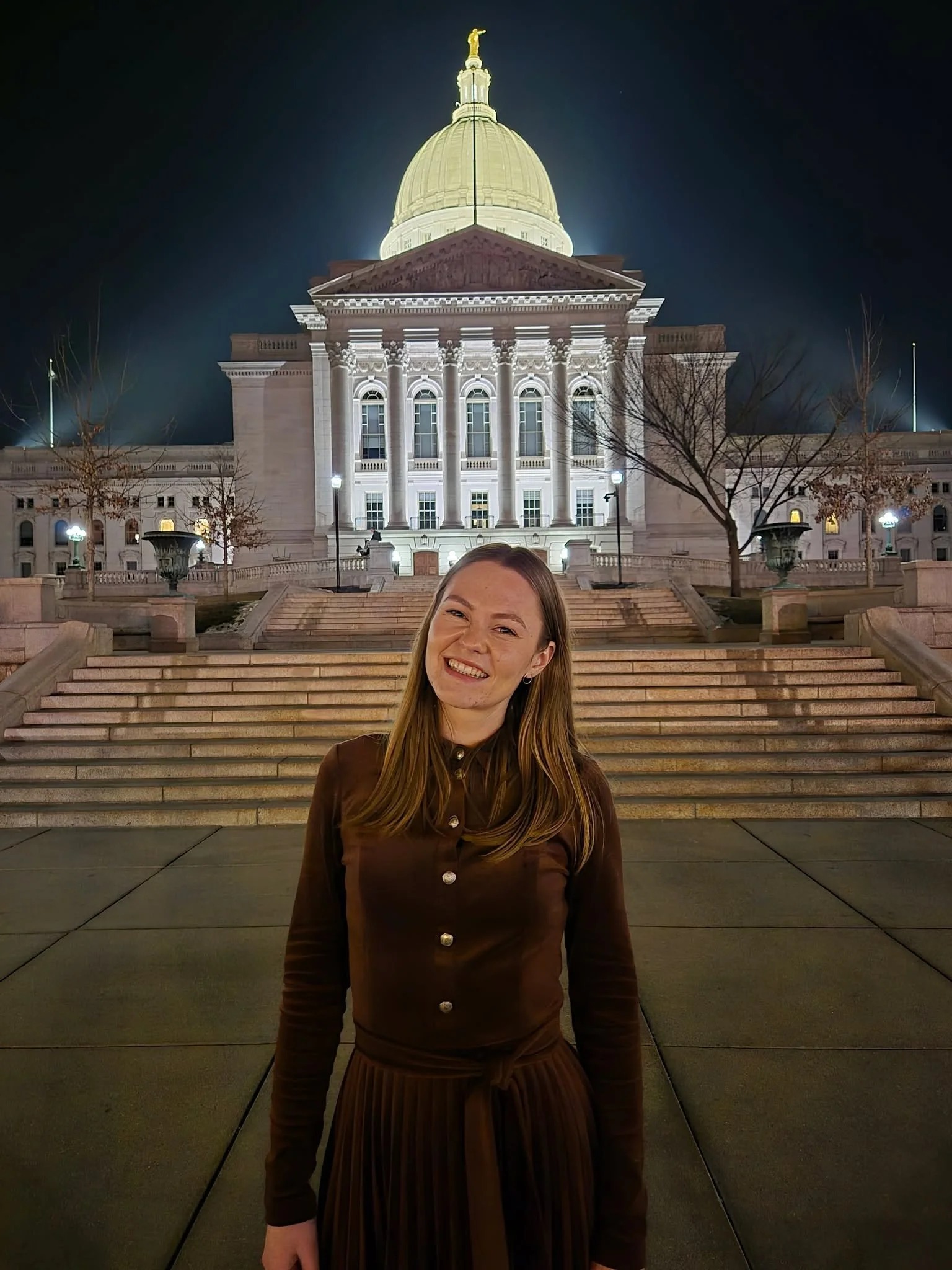
[8:55] Narrator: Daina's  workplace is the eye-catching Wisconsin State Capitol. She works there as a guide and is always delighted to hear visitors speaking Lithuanian.

[9:05] Daina: The other day I wasn't there, since I don't work every day, but some women came up to our desk and my colleague asked where they were from. They said, from Lithuania. So he said, oh, one of our guides is Lithuanian. They were very curious: why? why? [laughs] But it happens, you know. People come in, you can hear right away that they're speaking Lithuanian, and you ask how come. [laughs] It's very interesting.

[9:40] Narrator: The winds of a foreign country didn't scatter what the Stulginskis family always held most sacred. Living across the Atlantic, both President Stulginskis's daughter Aldona and her son Jonas kept a living bond with their homeland deep in their hearts. Their Lithuanian roots didn't remain just entries in documents. They live on in every word of their native language, spoken with love and respect.

[10:04] Jonas: Being able to speak Lithuanian is very valuable. It still broadens your horizons. You know, I still read a bit of the Lithuanian press and watch the news on YouTube, and I learn a lot more. In our home, nobody spoke English; everything was in Lithuanian, all the time. And there were Saturday schools; I went to Lithuanian Saturday school for 12 years. So I learned history and some grammar, but I couldn't change my American accent.

[10:38] Narrator: After the break: what ties Wisconsin's capital, surrounded by four lakes, to Vilnius.

[10:43] Milda (preview): The Americans were simply looking for… these sister cities were like pen pals.

[11:21] Narrator: Over the decades, the Atlantic Ocean became not a dividing chasm but a solid bridge connecting the two different halves of Jonas Juozevičius's world. Though his daily life unfolds in America, the compass of his heart stays set on Lithuania. Jonas returns to the land of his grandfather, President Aleksandras Stulginskis, almost every year.

[11:42] Jonas: What impresses me most in Lithuania is how much people have changed since 1991, how different everything has become. It really is a Western world, and people are so pleasant. I can't imagine… I'm very sorry I'm not a sociologist and couldn't have written it down and taken pictures of how everything changed. You in Lithuania don't notice how much things there have changed for the better.

[12:20] Narrator: President Stulginskis's grandson also spoke warmly about the local Lithuanian community.

[12:26] Jonas: Our community is fairly informal, but we keep in touch. There's a dance group that will take part in the dance festival. We get together two or three times a year. Every year we hold a banquet for February 16 and March 11. We have Kūčios [Christmas Eve supper], and we hold one spring picnic. The third wave, the second wave, the first wave of Lithuanians all come together. There are maybe 50 of us who really stay in touch, from all kinds of fields: scientists, artists. It's a good community, really interesting.

Milda Aksamitauskas and Madison Vilnius Sister Cities

[13:13] Narrator: Madison is not only Wisconsin's lake-ringed capital but also a city with a strong cultural charge. For decades now, this vibrant academic center has been building bridges of friendship with Lithuania, and traces of Lithuanian history are still kept in its quiet streets and university spaces. The Madison Vilnius Sister Cities organization has been active for nearly four decades. Today it is led by a Lithuanian, Milda Aksamitauskas.

[13:44] Milda: A long time ago my parents won a green card. In '98 they decided to try America. For me it was a nightmare, because it ruined my whole plan to leave Kaunas and study in Vilnius. Instead I had to go to America: no friends, a foreign language. I cried through all of 12th grade, but afterwards I decided, well, I'll give America a try. We came to Chicago, because there are lots of Lithuanians there, and I finished my studies, both my bachelor's and my master's. After that I wanted to work in Chicago, but friends told me about Madison. Madison is Wisconsin's capital, and I wanted to work in state government. I got a job. I thought I'd come for a year or two; it's a smaller city. But we've stayed, it's been 22 years now, and we're not planning to move anywhere.

[14:35] Narrator: According to Milda, the organization she leads helps promote Lithuanian culture through cultural exchanges, events and projects, and encourages close cooperation between the two cities, Madison and Vilnius, across the Atlantic.

[14:50] Milda: Madison Vilnius Sister Cities. To me it's an impressive community and organization, because when I came to Madison in 2004, I found a really wonderful Lithuanian organization. They welcomed me warmly, showed me everything, introduced me everywhere and invited me to events. But when I learned how it started, I found it even more impressive, looking back now. In '89, Madison, which is kind of a hippie city, had a mayor, and the Americans were simply looking… these sister cities were like pen pals. That was the idea: they were looking for a city in the Soviet Union, and I've heard that Tashkent was suggested, but it ended up being Vilnius.

[15:33] Milda: The Americans wrote about it; I have those old newsletters. They wrote about how they flew to Vilnius, stayed with Lithuanians in their apartments, ate with them, lived with them, saw everything. That was something really interesting for them, and they kept the connection going. Later more Lithuanians arrived. There was a lot of humanitarian aid; doctors went to train; they supported orphanages in Lithuania. After that it became more of a cultural organization. Povilionienė has sung here, Martynas Levickas has played here, and Liudas Mockūnas. We invite artists together with the consulate and work with them.

[16:10] Milda: And now, after I lived in Lithuania for a year and came back a couple of years ago with new energy, we've started trying to rebuild a stronger connection with Vilnius: to find people in Vilnius who are also interested in Madison, and to connect more through the city or more officially, or to attract business, or come up with some kind of exchange program, more with the university. And lots of Lithuanians come here and stay to live. Many of them contribute to the organization too. There's no politics there, and nothing big and complicated with us either. Everyone simply gets along well. We can meet formally or informally, and it's the same people.

[16:54] Narrator: To understand the true meaning of cultural bridges, it isn't enough to design them; you have to walk across them yourself. That was the personal turning point in Milda Aksamitauskas's life, when she and her family decided to live in Vilnius for a year. Being in Lithuania every day and getting to know its cultural and social life from the inside changed Milda's view of the diaspora's mission.

[17:17] Milda: I actually remembered a dream of mine: I wanted to work there. I had never worked in Lithuania. I lived there, studied there and left. And I thought I'd like to, it would be an interesting test, to go to Lithuania but maybe work remotely, take part in meetings. Since I worked in state government, I figured it's fairly similar in Lithuania. So I simply contacted the government, made some calls, and they said, "Well, come." So I went to Lithuania on my own for three months and really liked it. Then I arranged for the whole family to move there for a year to try living in Lithuania.

[17:56] Milda: From then on I saw America differently, and Lithuania anew, because you're not a tourist anymore. You live there, you need a bank account, you drive a car, everything. Lithuania really has changed. You can watch the news and everything, but living there, you can appreciate how much Lithuania has changed and moved forward. And Lithuanians still want those connections with America, and I think we could make much more use of the Lithuanians living in America for Lithuania's benefit.

[18:28] Milda: Sometimes what's missing is this: lots of people go back, visit their grandmothers, grandparents, friends, sit in a café by the sea, but getting involved through professional work still isn't that easy, I think. I can see that it's possible; it really can be done. But that would be a deeper kind of cooperation. I think by now everyone has gone through bringing back a work of culture or art, listening to music, going to the theater. That's easier for everyone to do somehow. But I think we need to find a new stage for Lithuanian identity in America, because otherwise it stays a bit superficial. We need to go deeper and think a little about what we pass on to the next generation, and with what intention, so that for them it's really a "wow, what roots, how interesting, how different from other countries."

[19:30] Narrator: Sharing her vision for the future, Milda describes her organization's goals and how it will work to strengthen the dialogue between the two cities.

[19:39] Milda: I want to set up a stronger Vilnius committee, let's call it that: people from Vilnius, or people living in Lithuania generally, who in some way know me or have heard of Madison, maybe did an internship here a few decades ago. They'd be our anchor point, people we could call every other month, for example, to talk with and hear more about what's happening in Lithuania, so maybe we could bring over a performer or screen a film, so they'd give us more examples of what we could do. So that's the kind of cooperation I'd like, maybe partly with the Vilnius city administration and with citizens who are interested in this.

[20:26] Milda: We always work with the Chicago consulate, so all the performers are always invited to perform in Madison too if they come as far as Chicago, since it isn't a long trip, just a smaller audience. I'd also like to work through business. I'm thinking of biotechnology; the university is very strong in medicine. Maybe the interest would be more in postdoctoral positions, or maybe more in undergraduate exchanges. Maybe someone would be interested in business ideas; entering America still starts with knowing someone. On the other side, I'd really like to celebrate Lithuanian entrepreneurs too. Maybe Americans, for various reasons, would like to move somewhere in Europe or try it out, and Vilnius could be the place they'd want to go.

[21:24] Milda: So whatever I can contribute, it would be toward more connection, whether with business or with scientists, whoever wants to give Lithuania a try.

Madison Lithuanians featured in two episodes of TV series “A Piece of Lithuania”

Madison is featured in two episodes of Dalelė Lietuvos (“A Piece of Lithuania”). The film crew came at the invitation of MVSC Director Milda Aksamitauskas.

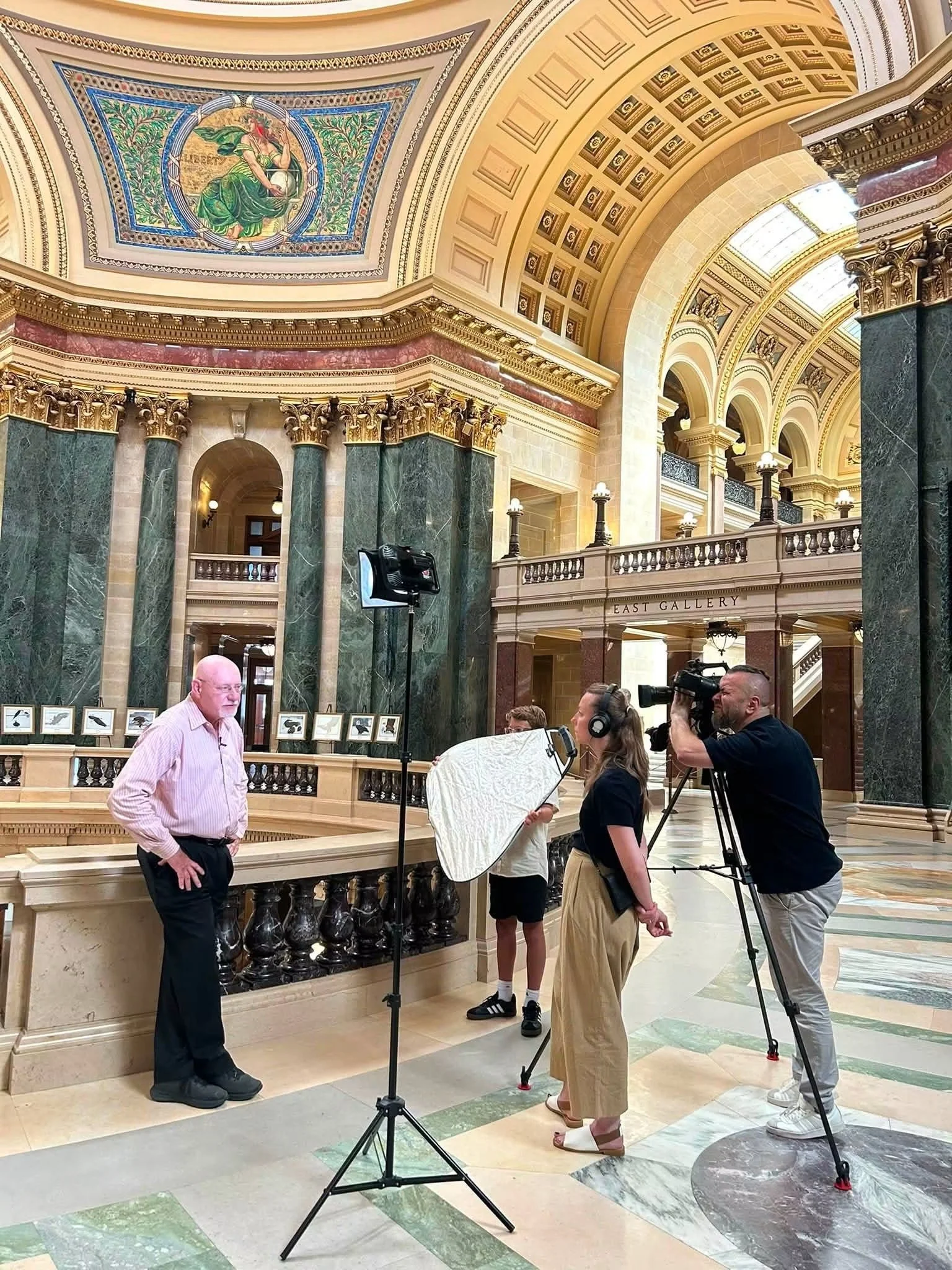
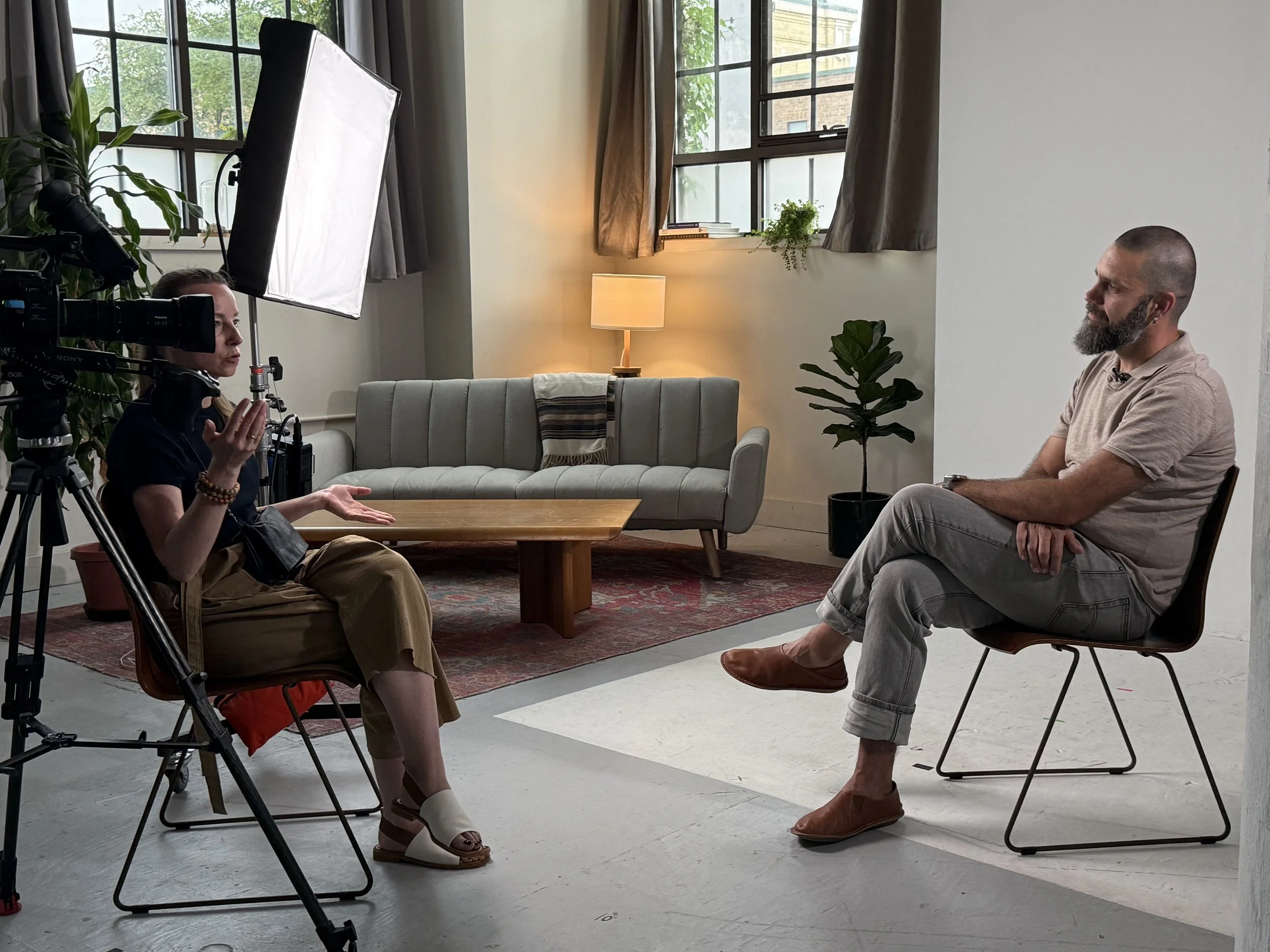
filming process

First episode

Viewers meet Dr. Jonas Juozevičius, a retired UW–Madison physician and grandson of Aleksandras Stulginskis, Lithuania’s second president. Jonas shares a moving family story. In 1941, when his grandparents were deported to Siberia, they threw a letter from the train to their daughter, his mother, asking her never to forget she was Lithuanian. That letter is now kept at the Historical Presidential Palace in Kaunas. Jonas reflects on his grandfather’s legacy, growing up in Chicago’s Lithuanian community and Madison’s Lithuanian community today.

Milda then tells how Madison Vilnius Sister Cities began in 1989. Madison was looking for a “pen pal” city in the Soviet Union, and the choice landed on Vilnius. The partnership grew from home stays and humanitarian aid into the cultural organization it is today. She shares MVSC’s next chapter: a Vilnius committee to strengthen ties between the two cities, more visiting Lithuanian artists, and new business, research and university exchanges.

▶ Watch the episode on YouTube (in Lithuanian; English auto-translated captions available)

Second episode

The episode opens with a Madison story many people don’t know. Architect Vaidas Aksamitauskas tells the story of Maušas Erdmanas, born in Tverai, Lithuania, in 1922 and sent to America as a boy. As Marshall Erdman, he became one of Madison’s best-known builders. He built Frank Lloyd Wright’s Unitarian Church, pioneered the suburban medical clinic and grew a nationally known healthcare construction firm. Throughout his life he proudly called himself Lithuanian, and his reputation may have helped put Vilnius on the map when Madison looked for a sister city in 1989.

The second half turns to today’s community and Žaibas, Madison’s Lithuanian folk dance group, active for 35 years. Longtime leader Nijolė Etzwiler, dancer Edita Logan and photographer Paulius Musteikis talk about how three generations of Lithuanians come together here. They also talk about what keeps the culture alive for the next generation.

▶ Watch the episode on YouTube (in Lithuanian; English auto-translated captions available)

Thank you note

Madison Vilnius Sister Cities community received a thank you note from the TV series producers. They sincerely appreciate our involvement, willingness to share our stories and welcoming them to Madison, WI.

Madison Vilnius annual banquet 2026

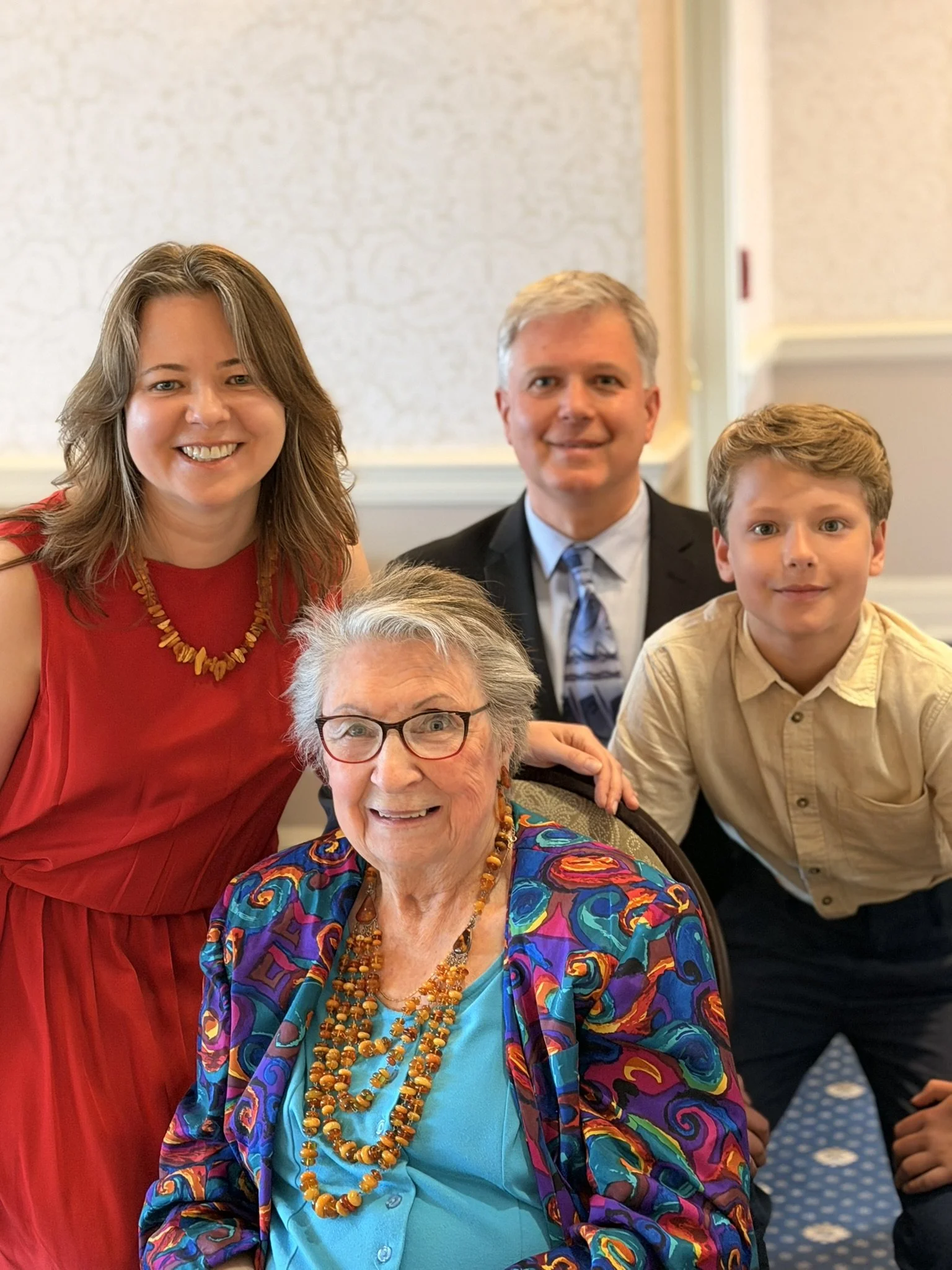
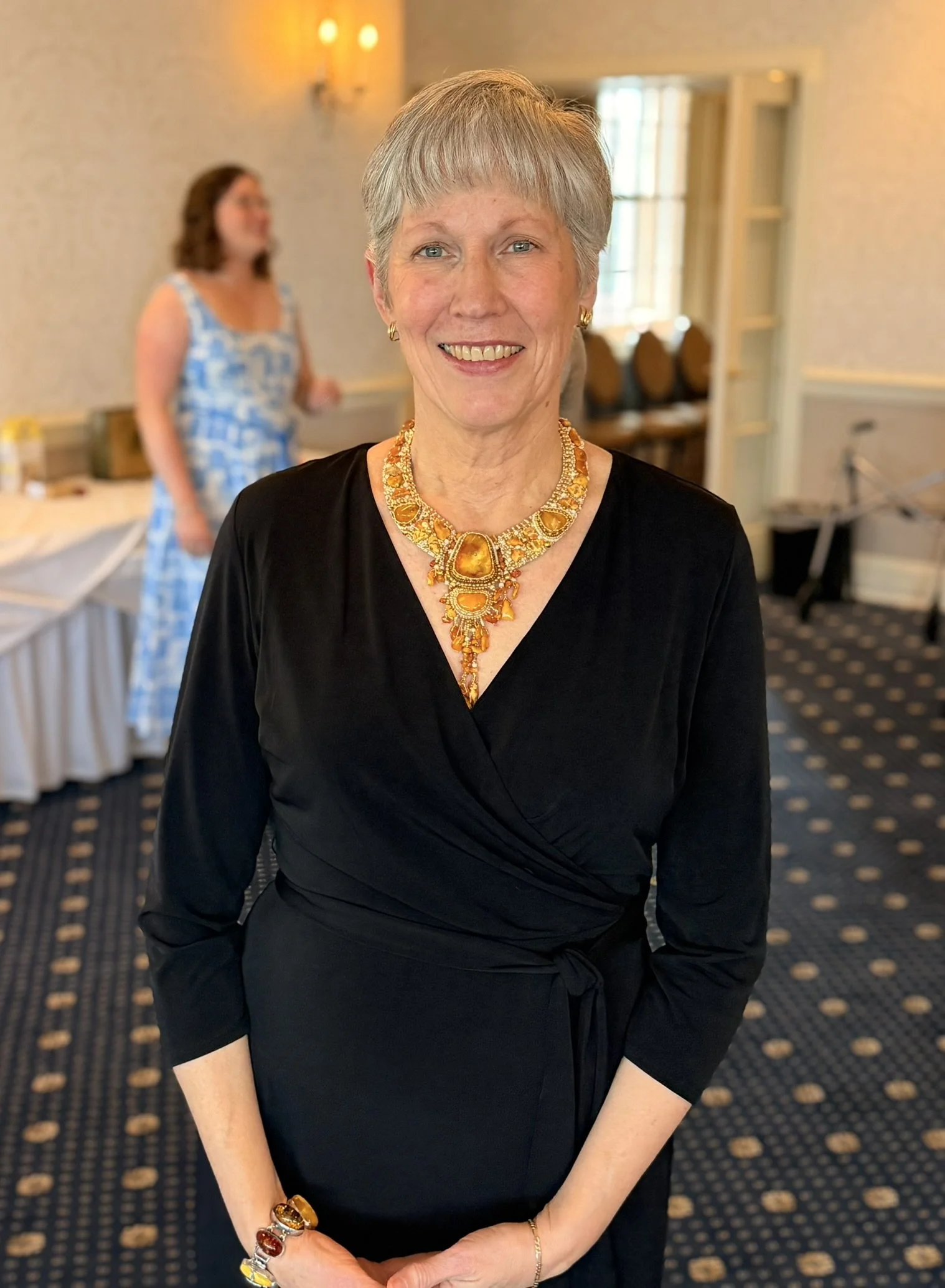
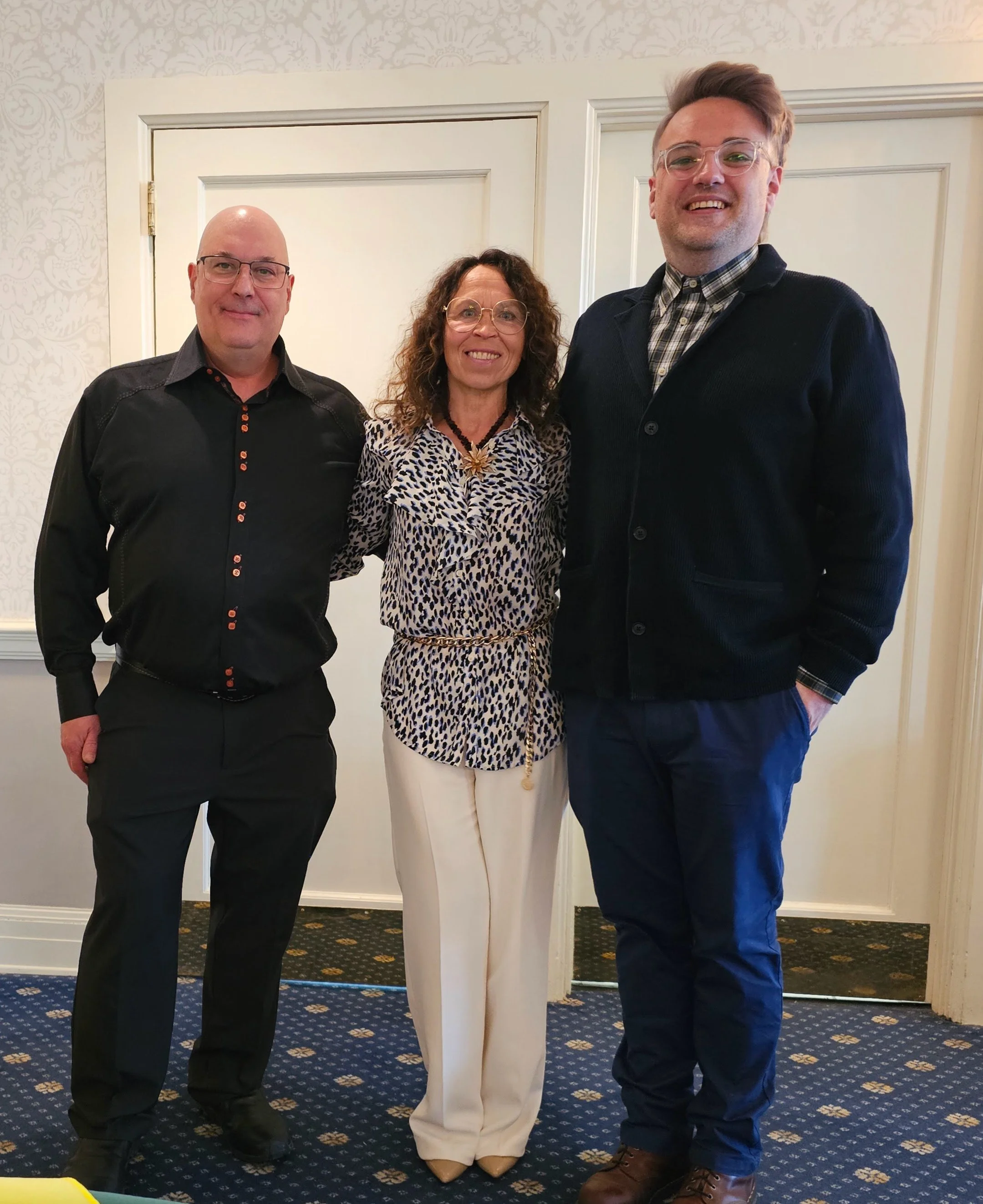
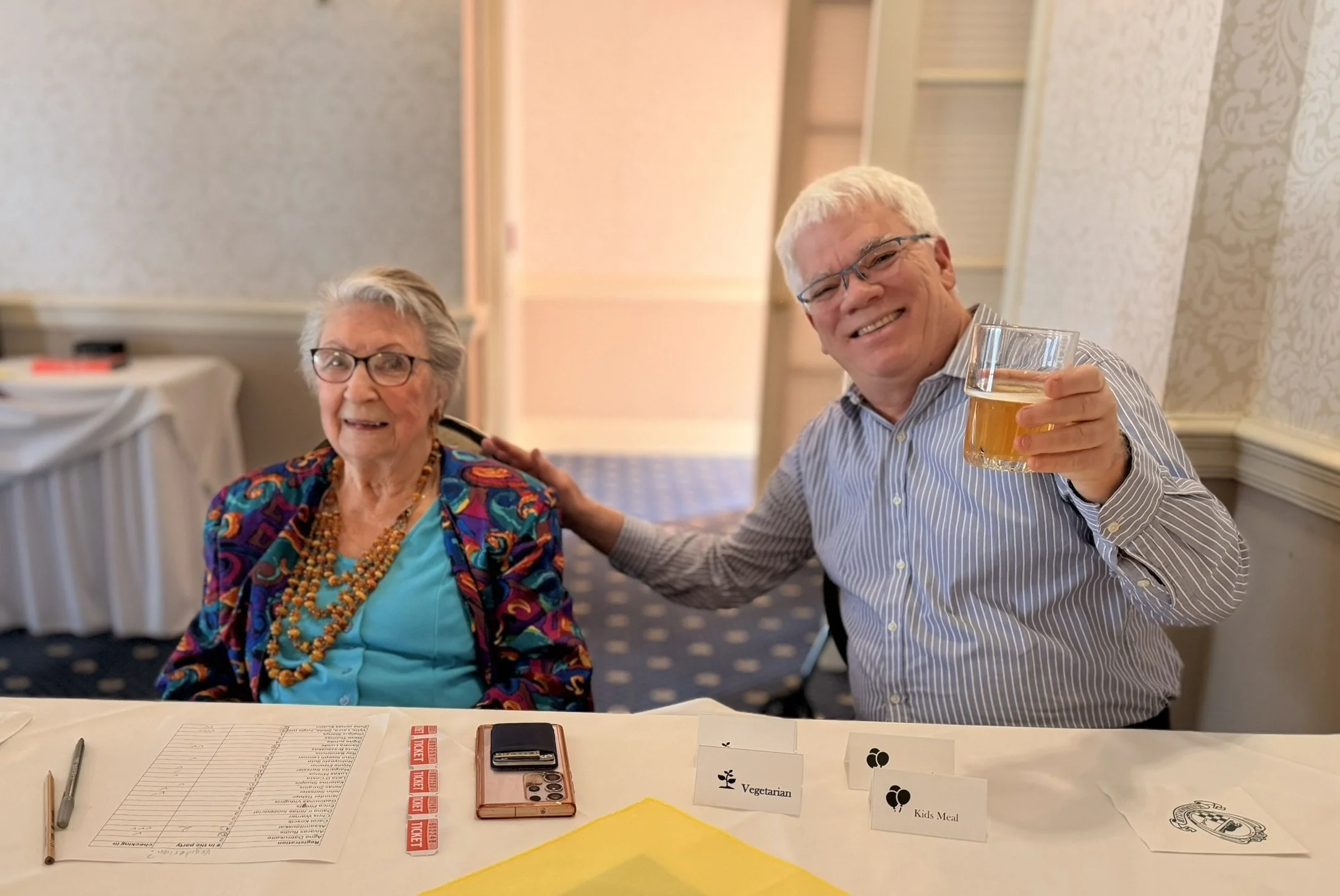
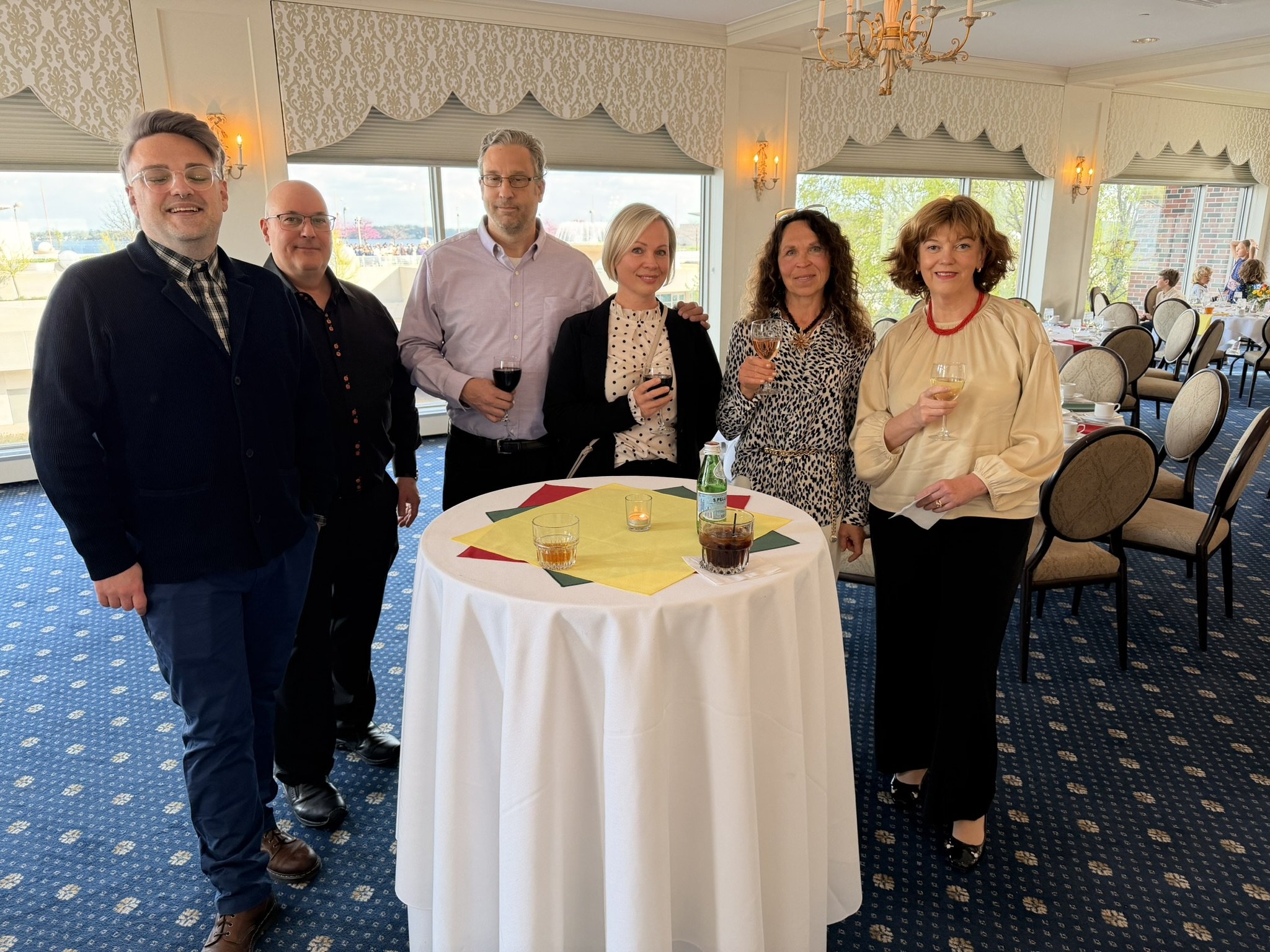
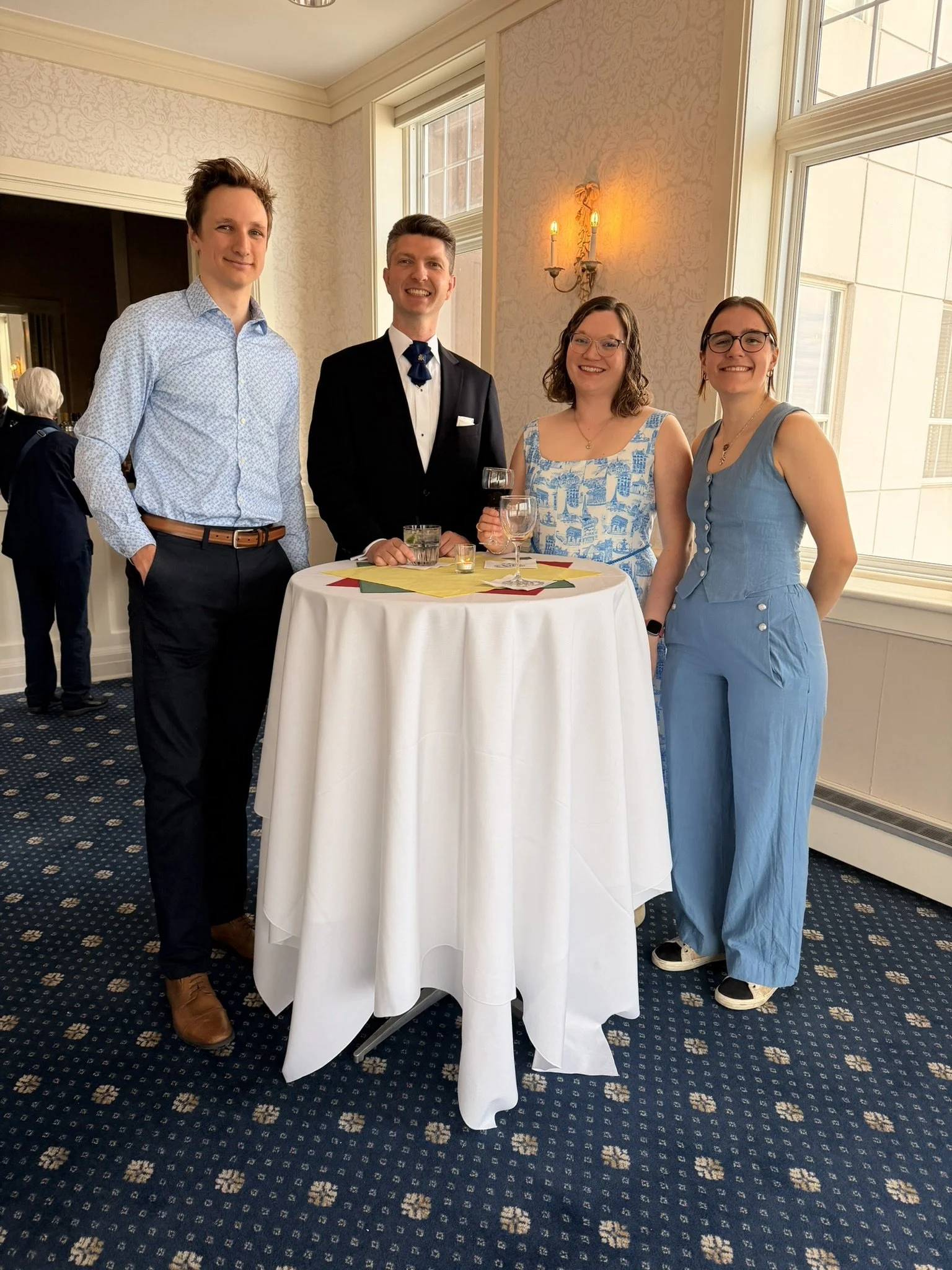
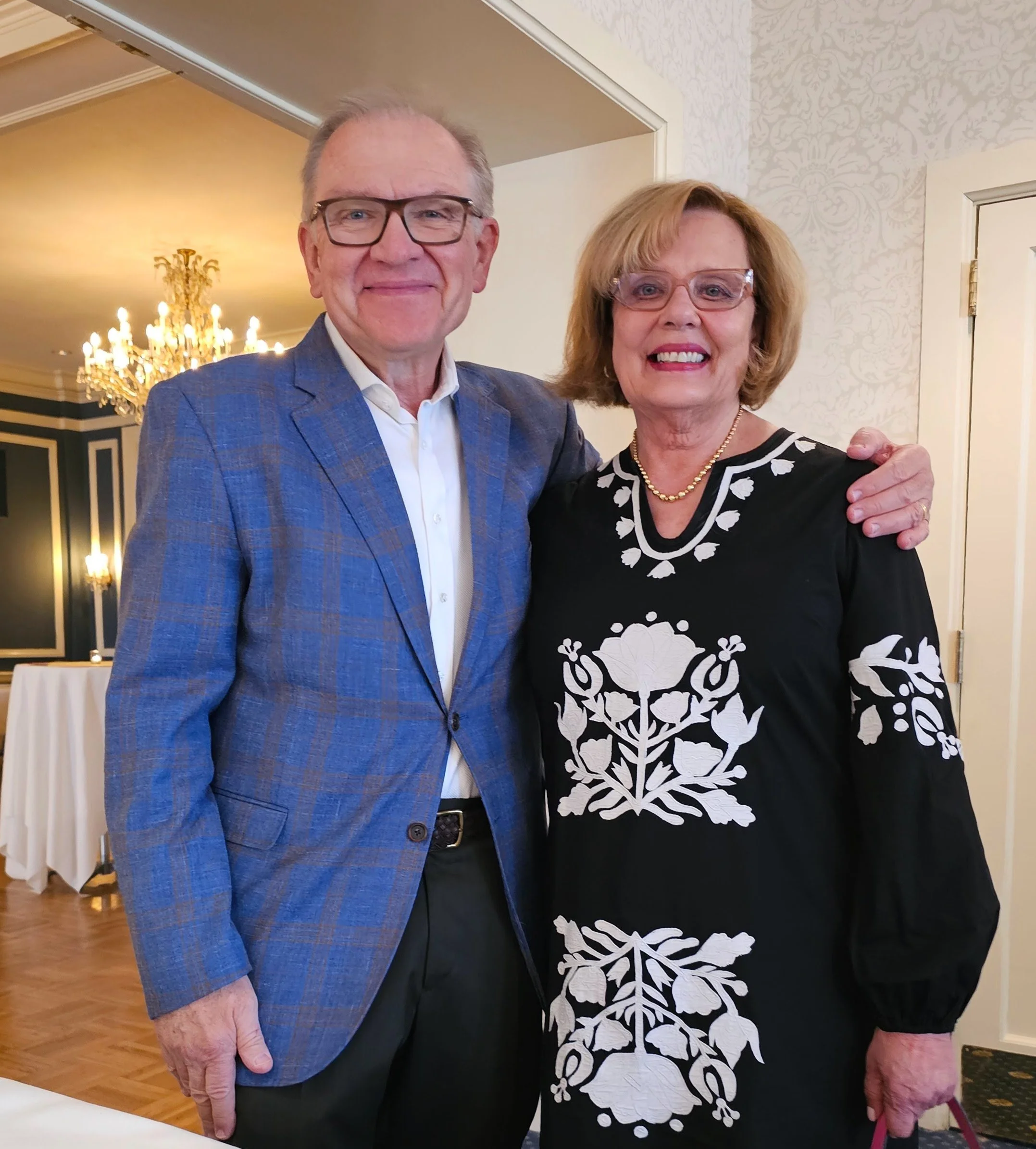
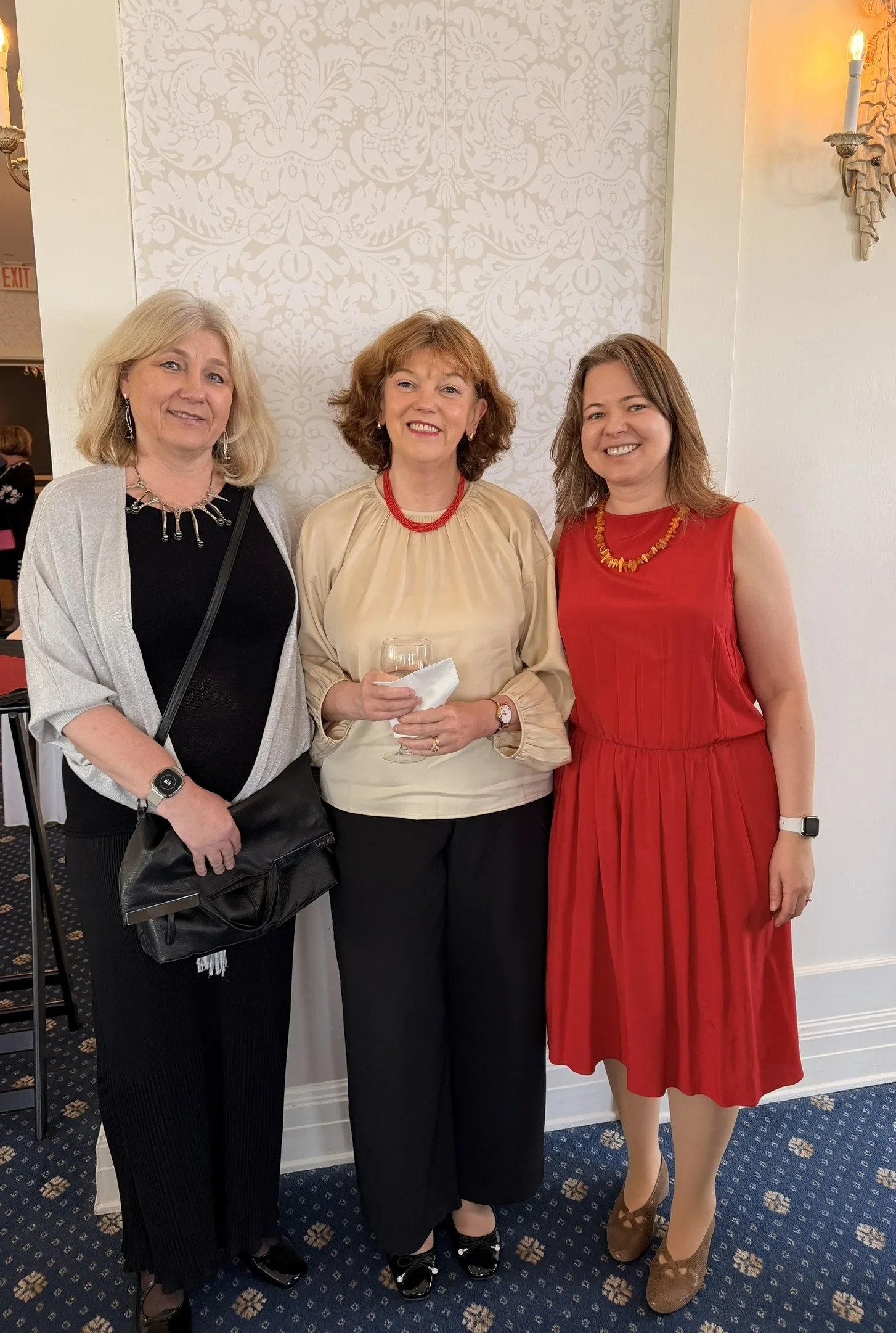
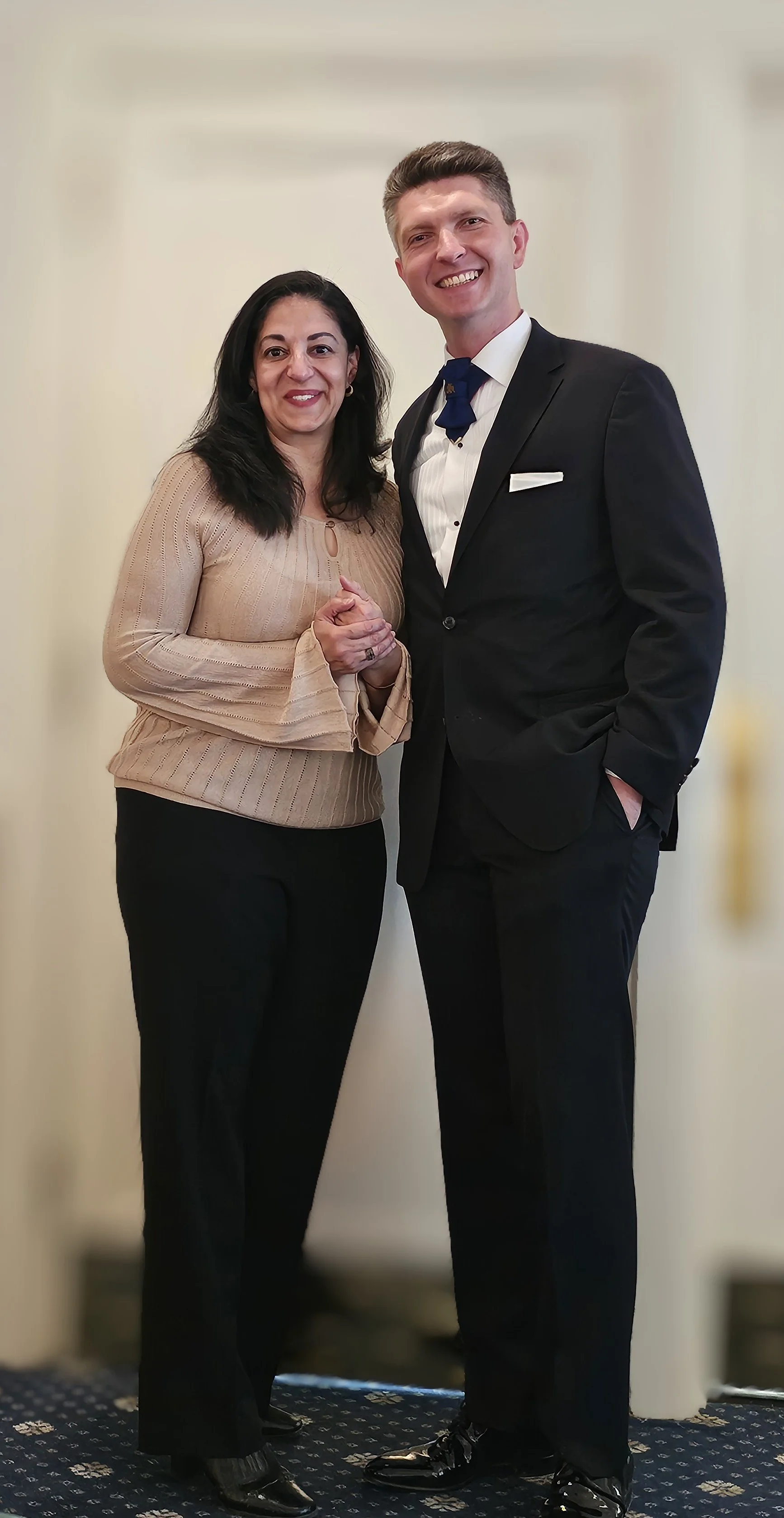
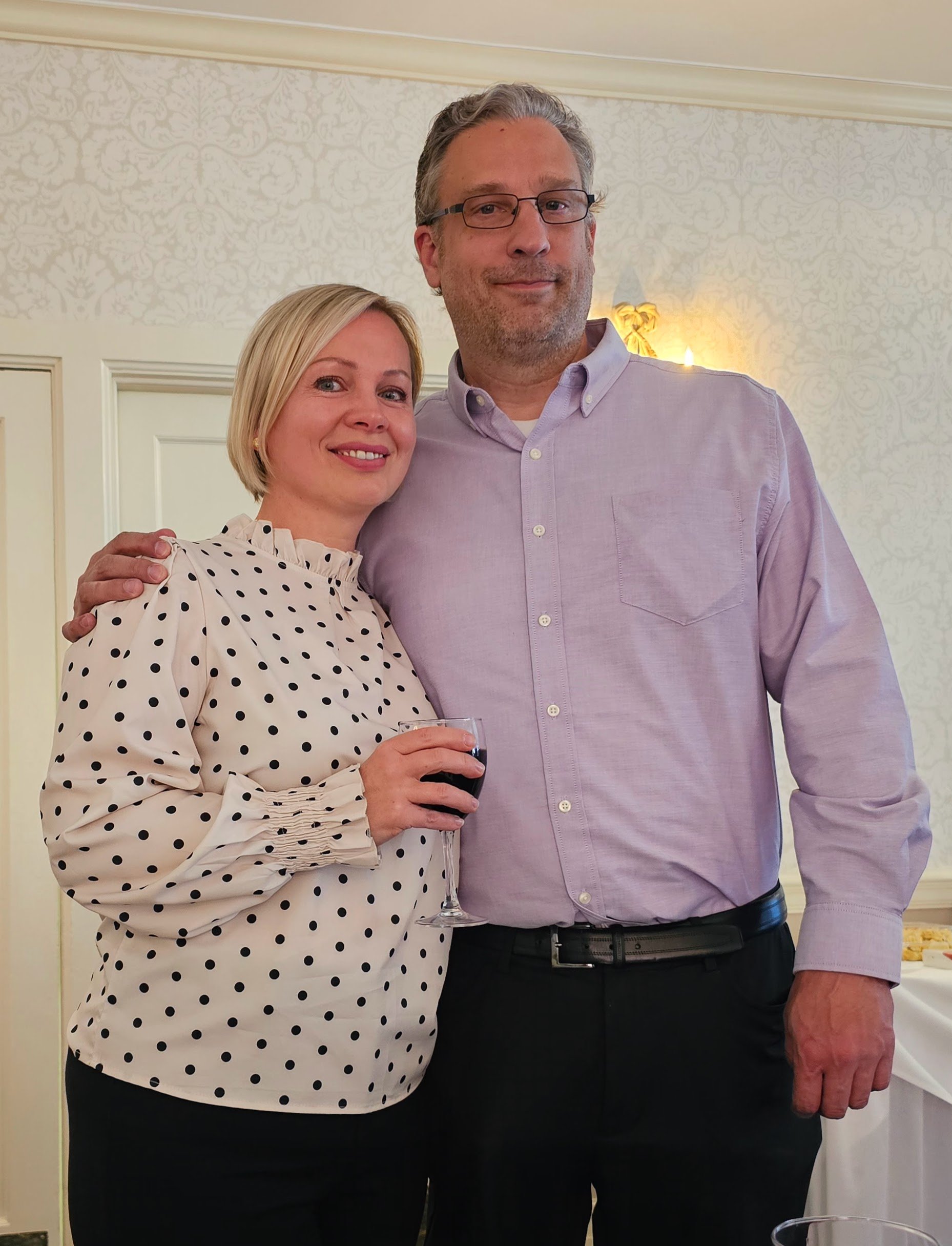
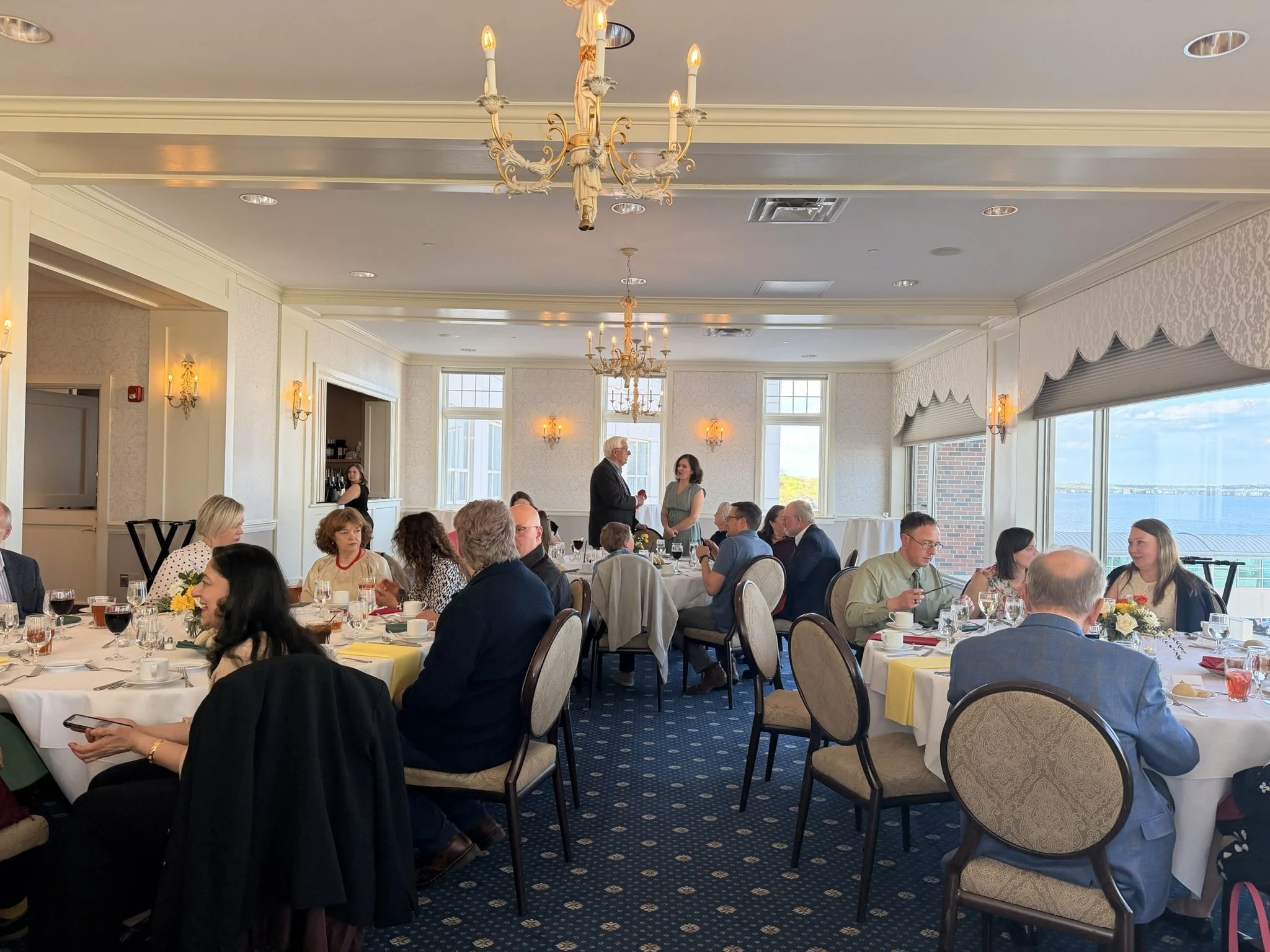
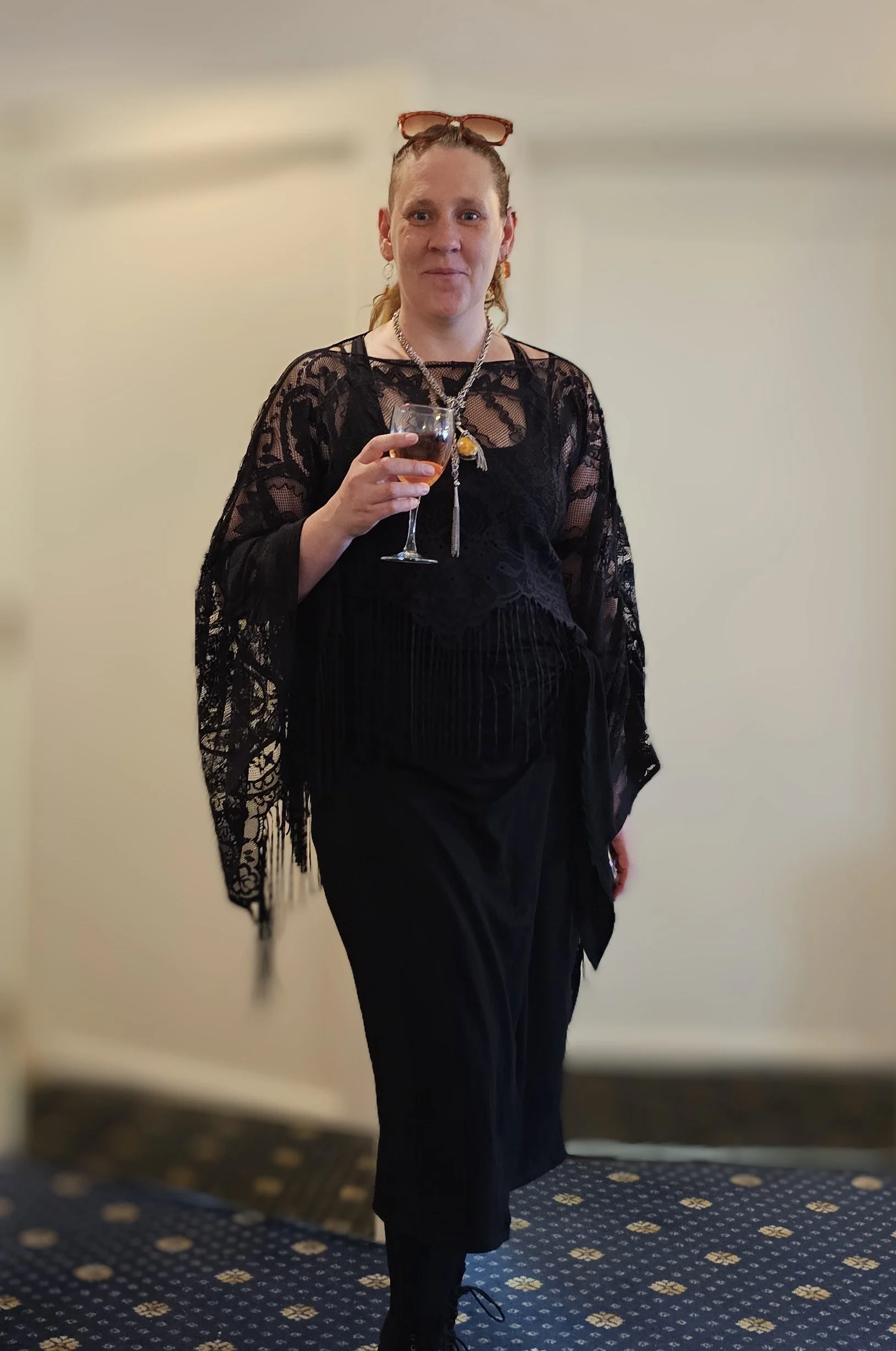
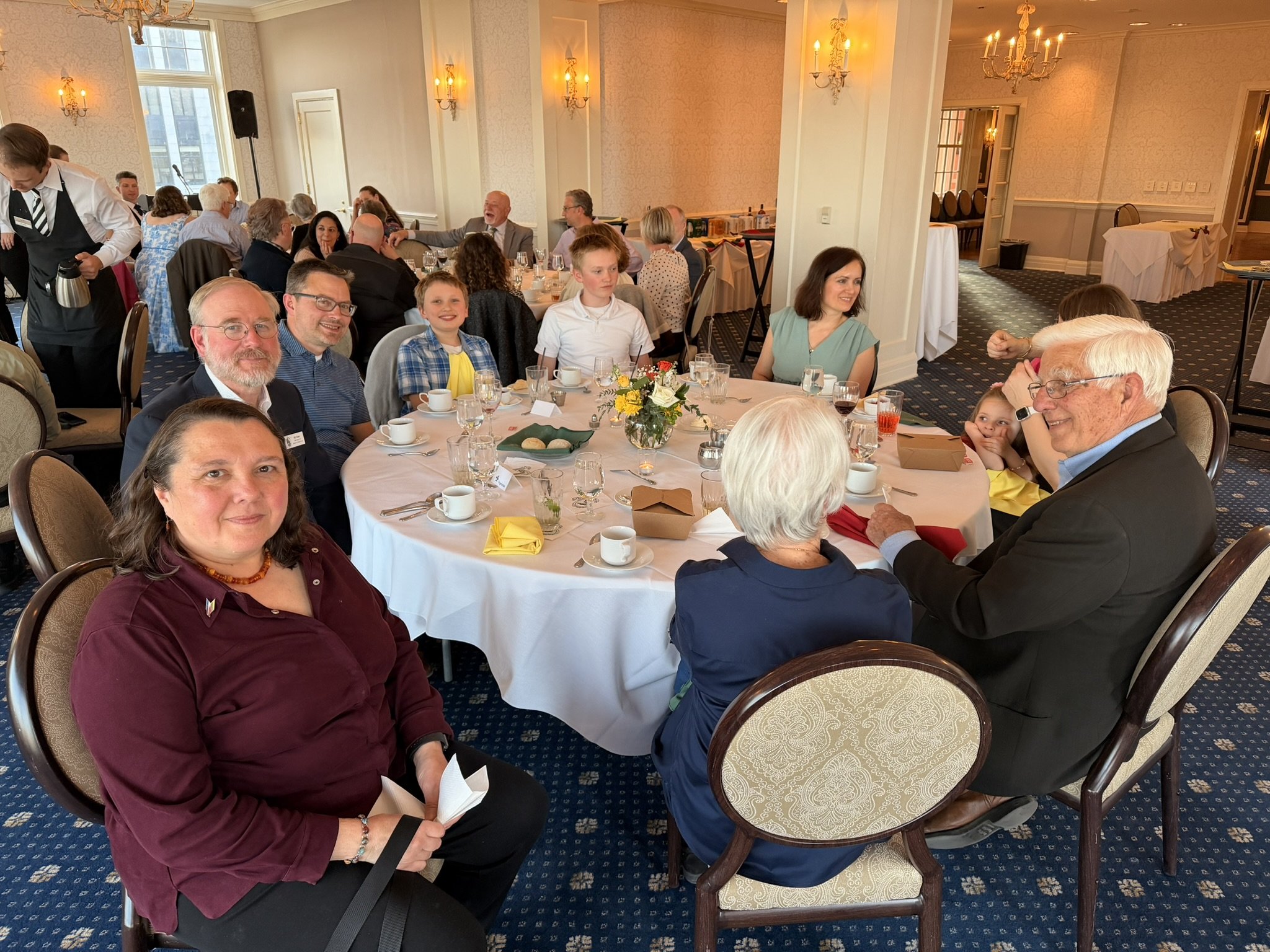
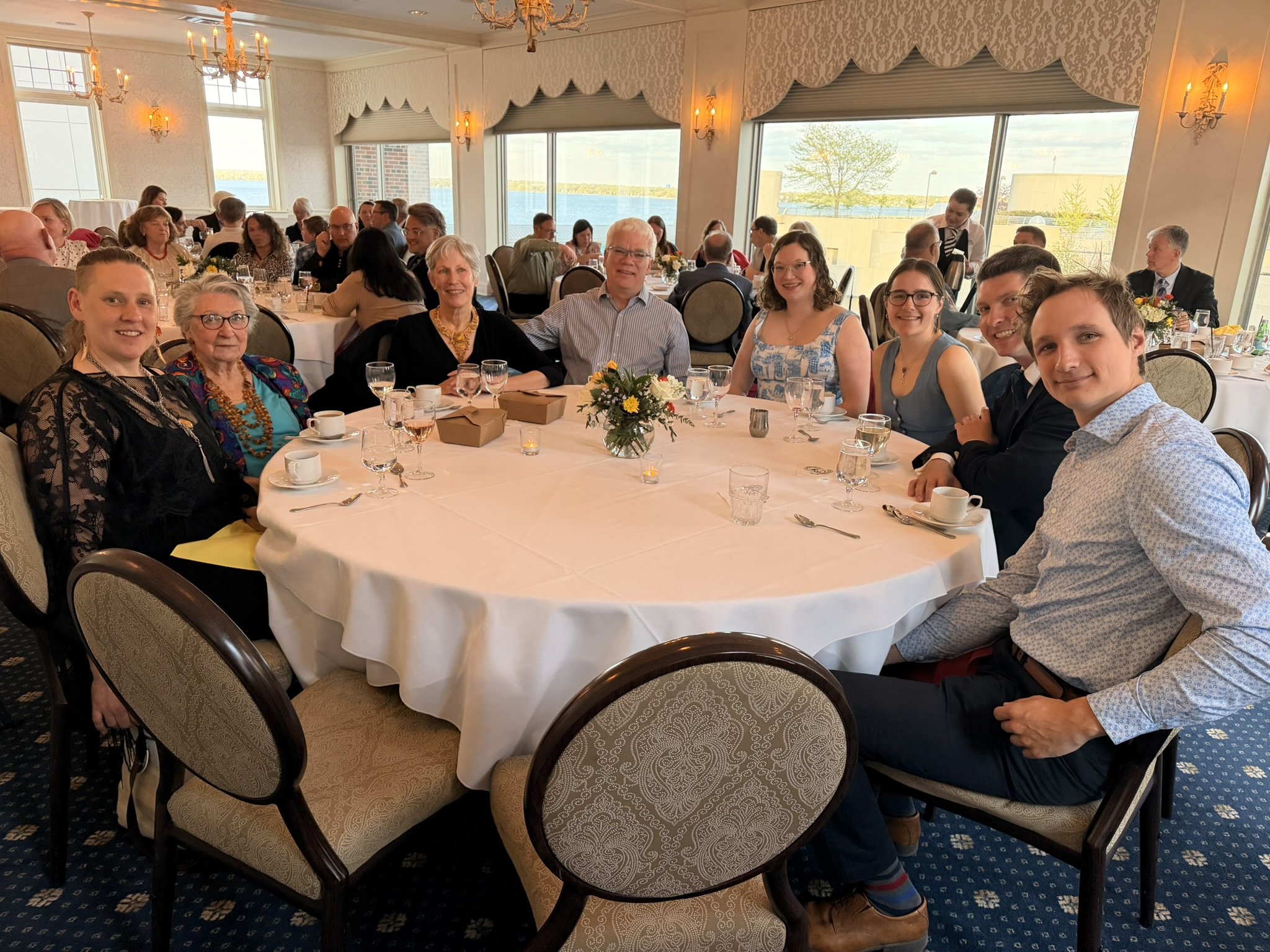
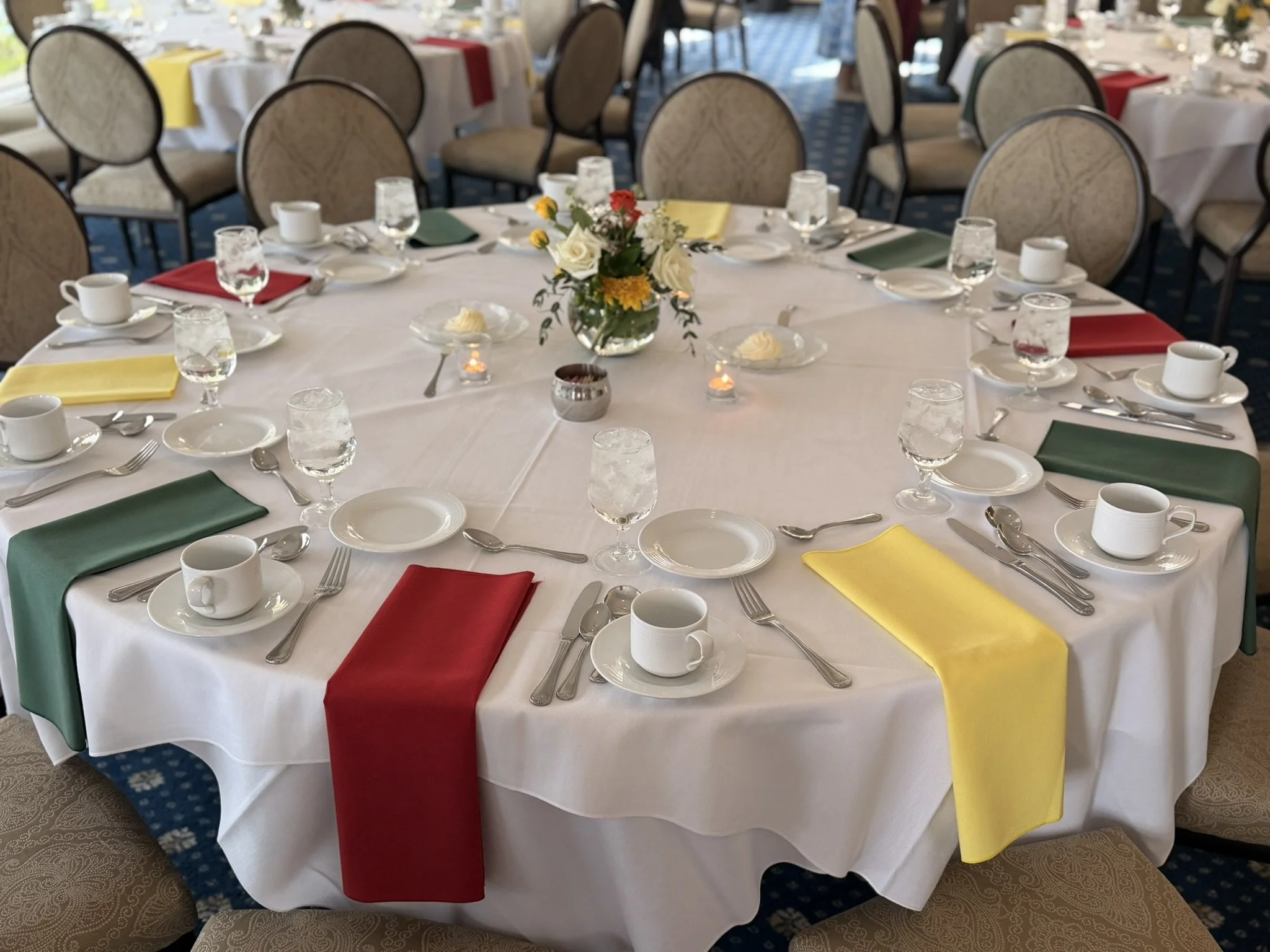
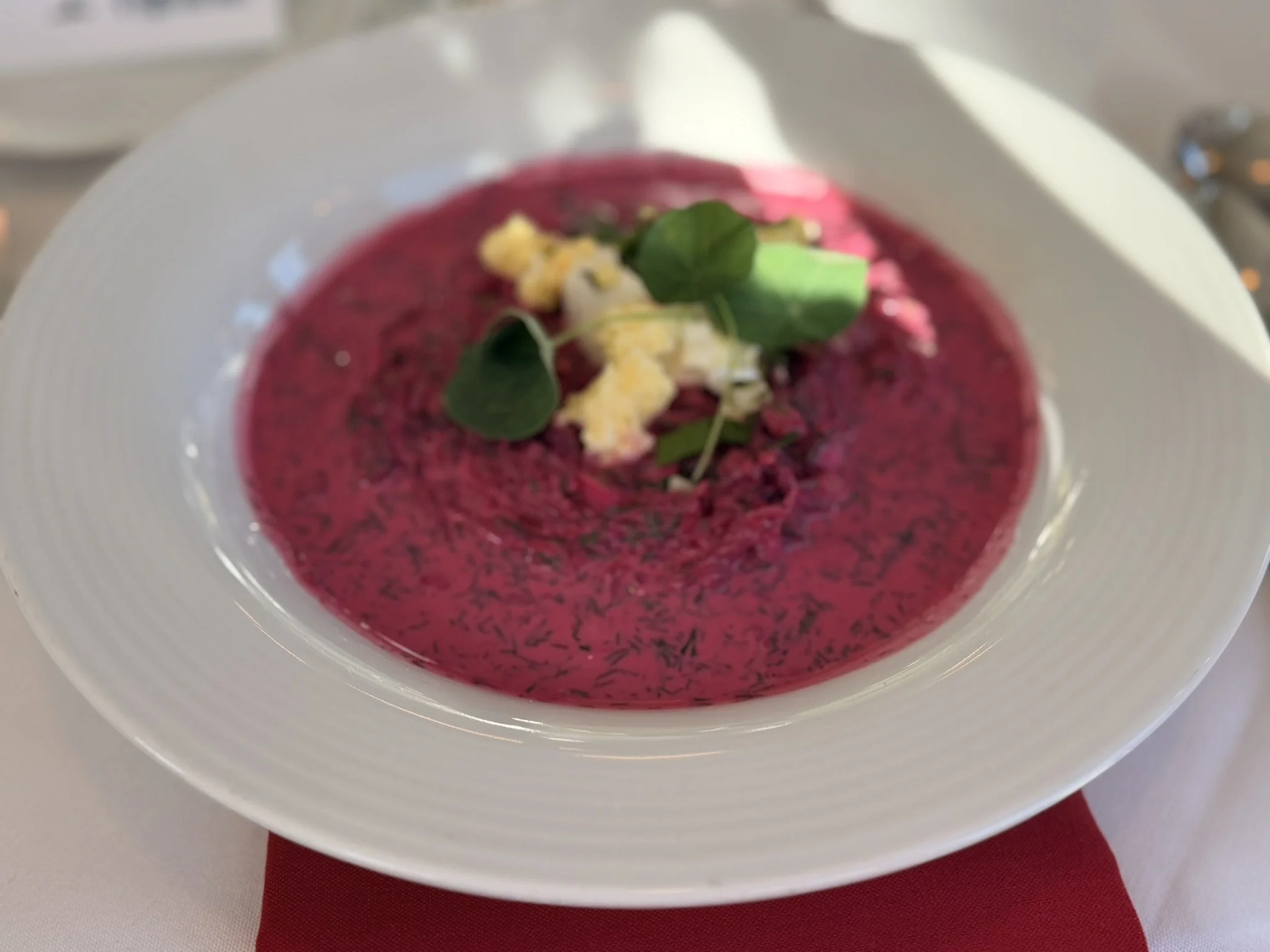
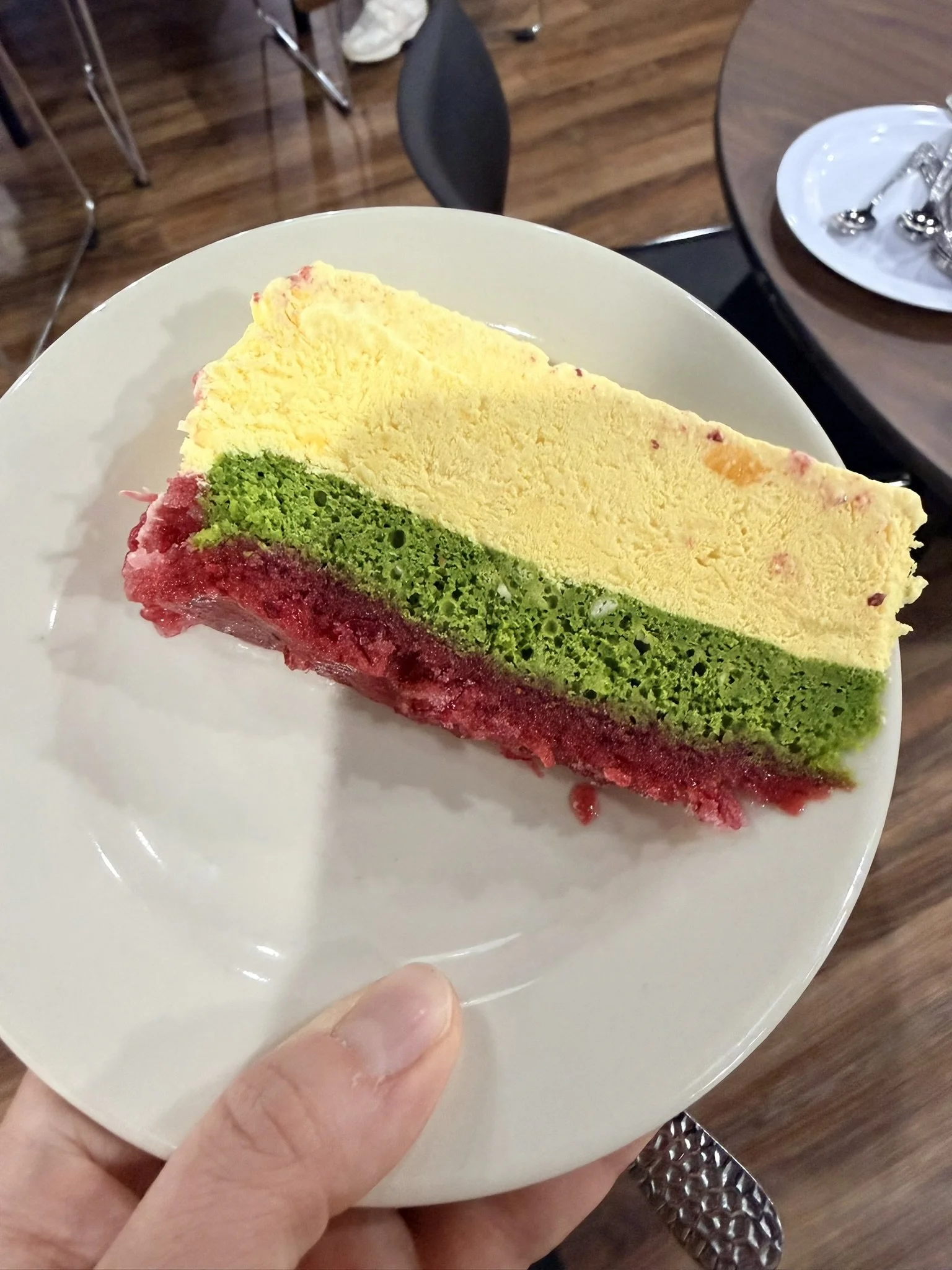
The banquet was on a nice Saturday evening. Close to fifty people gathered at the Madison Club. Beautiful amber necklaces were on display, alongside with the chatter, laughter and conversations. We were treated with well made šaltibarščiai (cold beet soup) and fresh potatoes, full entry and dessert.

The evening started with a business meeting. Milda Aksamitauskas, president of the Board, provided an overview of the past year and shared her vision for more exchanges and community events. Board members for the 2026-28 term were elected. There are also now a standing Vilnius committee and Business committee that facilitate relevant activities.

šaltibarščiai (pink soup made with beets and buttermilk)

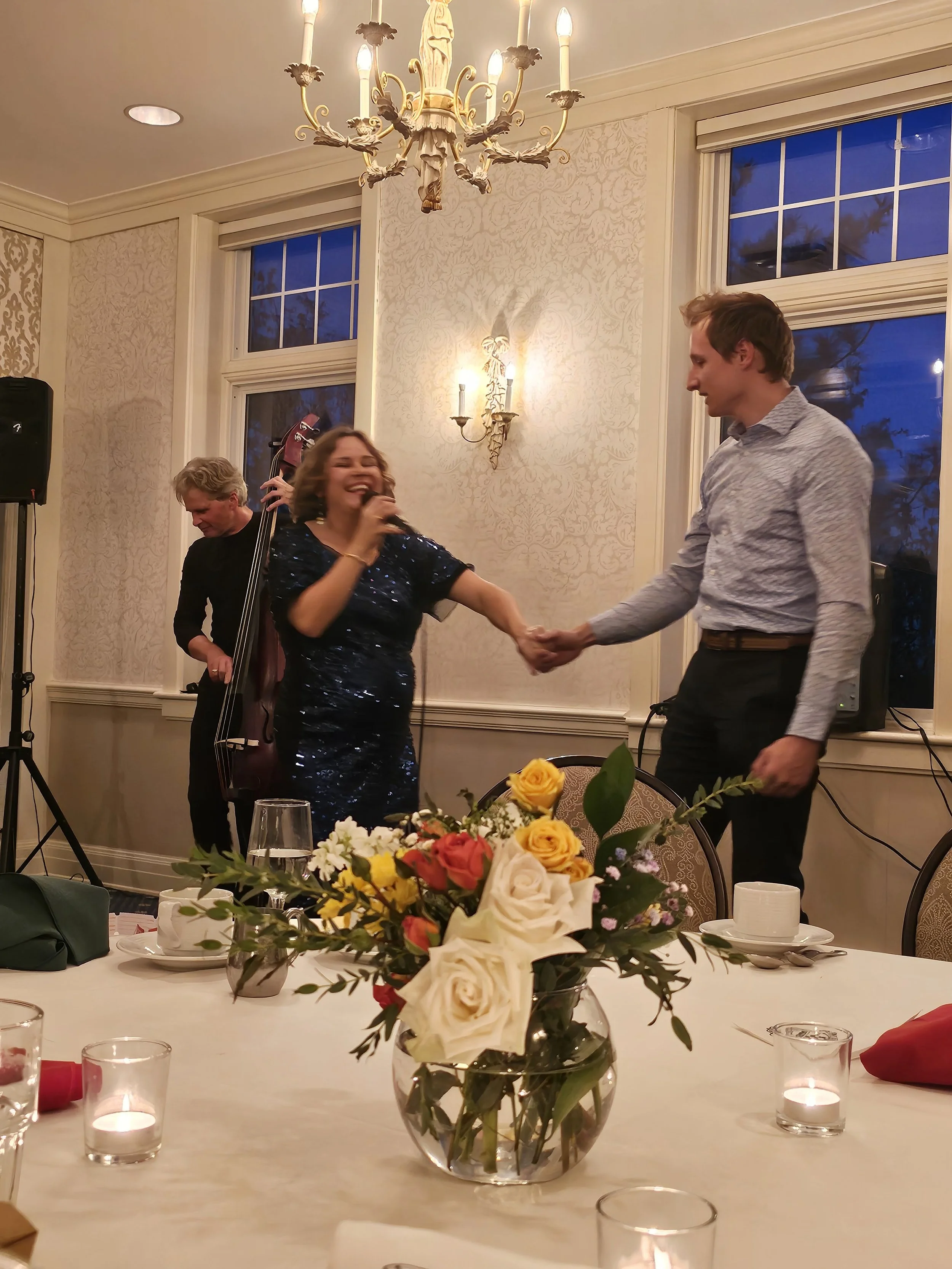
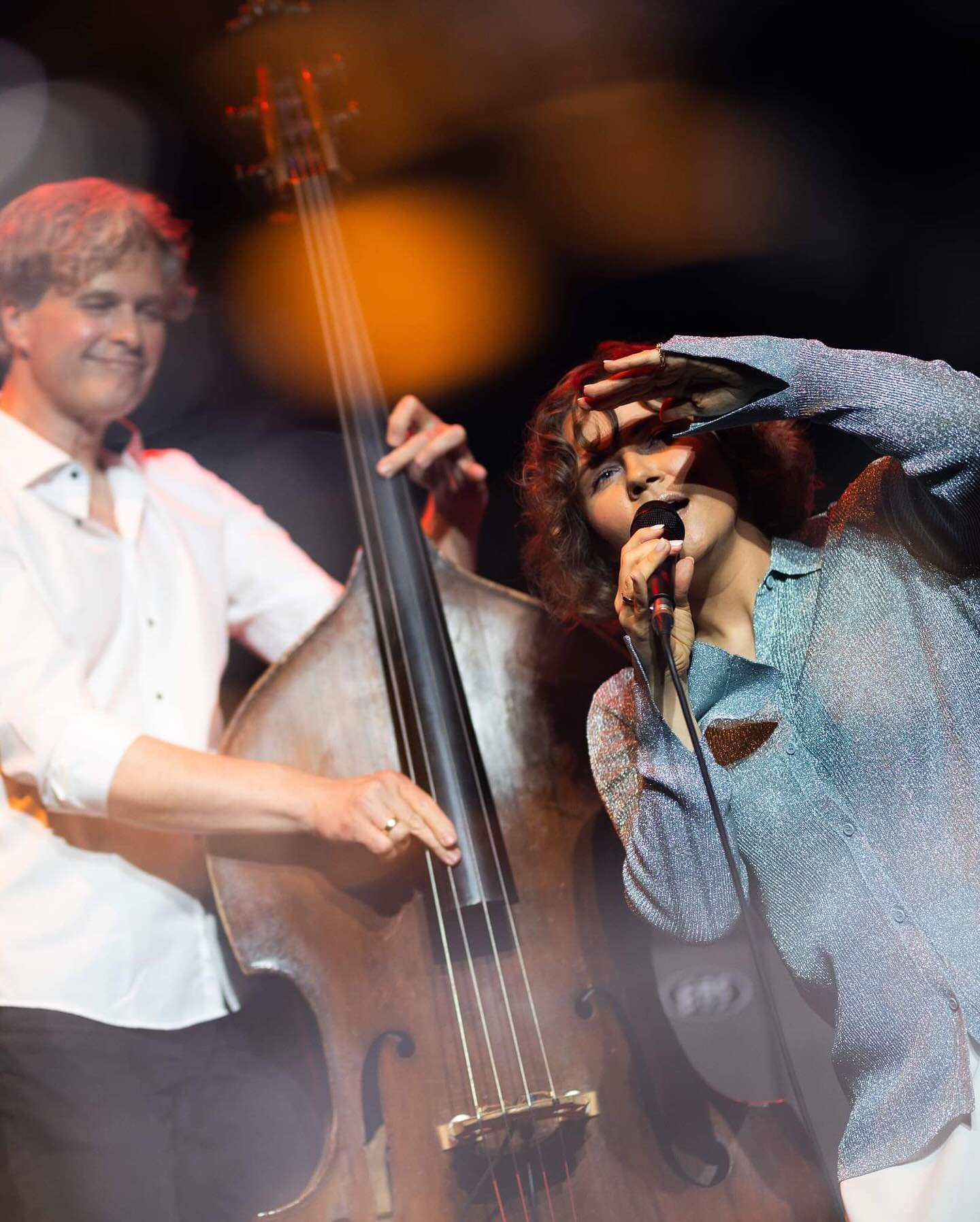
Vytis Nivinskas and Laura Budreckytė performed jazz songs, read Jonas Mekas and Kęstutis Navakas poetry and made us all dance at the end of the show. It is hard to put words that describe well the vibrations we felt during the performance. I recorded some of the songs and found myself rewatching them them again and again at home.

Here are the text of poems that were most memorable, at least to me:

If you liked the music, I recommend to follow CinAnmono Duo on social media, listen on spotify and, definitely, attend jazz concerts when you travel to Vilnius. 

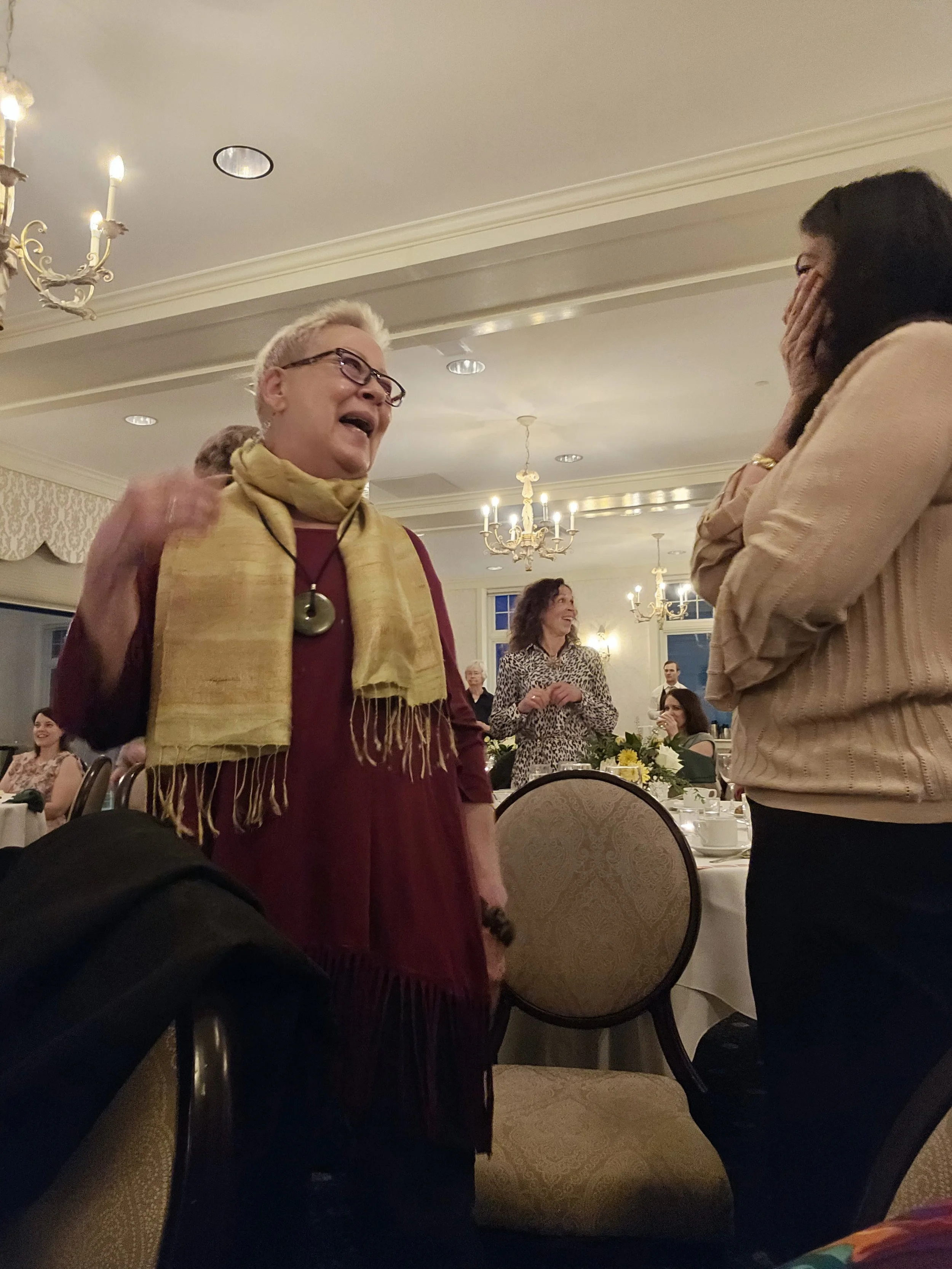
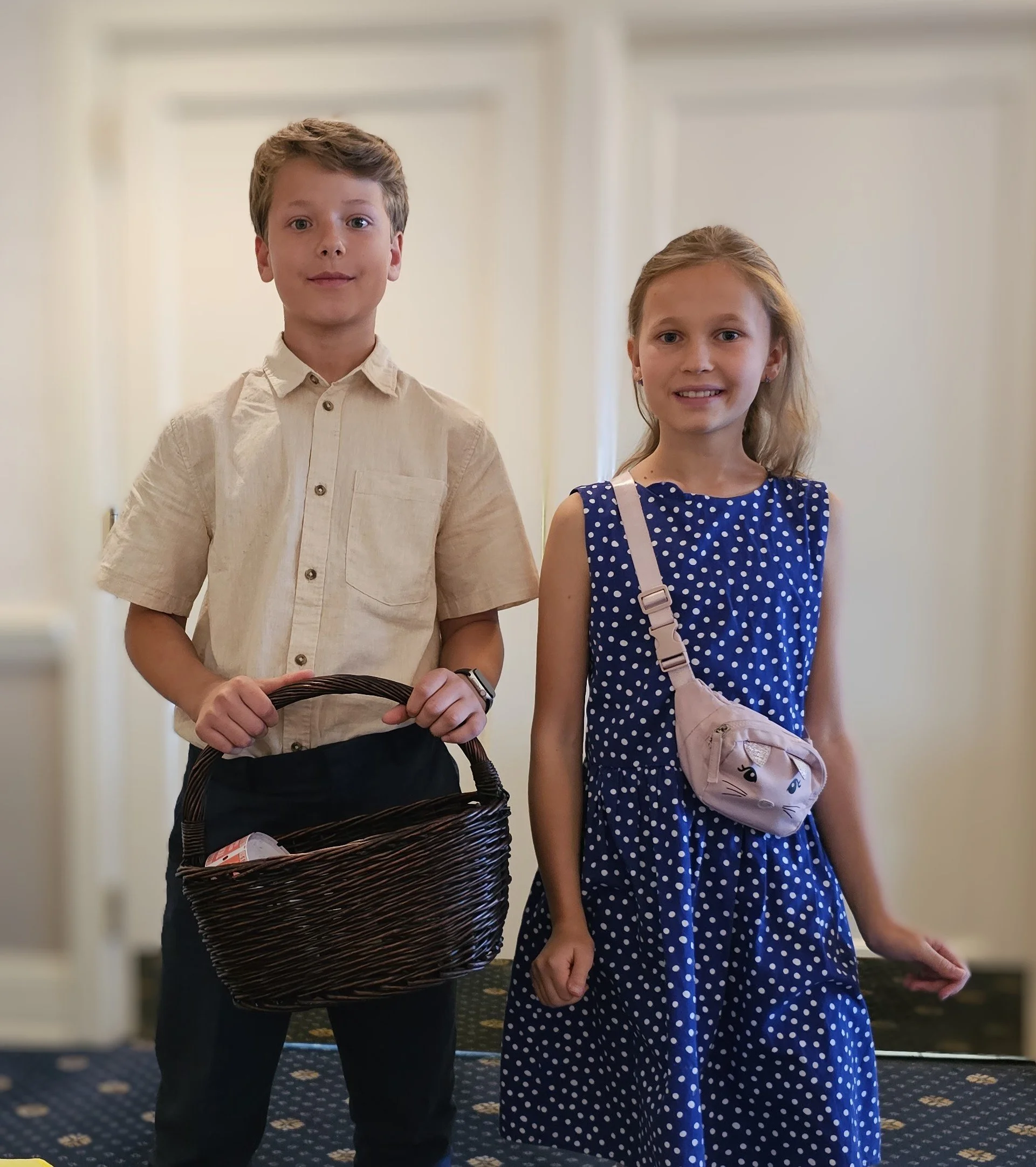
Lottery is a long standing tradition at the Madison Vilnius Sister Cities banquet. This year was record breaking: we had close to forty prizes and fundraised $700. Dominick and Sibilė were the biggest helpers selling the tickets and drawing the lucky numbers. Thank you to the Board members, Sigita Esthetique and AmeriPrintApparel for generous donations of prizes.

biggest lottery helpers, Dominykas and Sibilė

It is hard to capture all the emotions and activities of the evening. I created a short video to share the highlights.

Thank you everyone who came to the banquet. And we will see you at the next event.

Community spotlight: Paul Joseph Lennon

During my undergraduate studies, I remember seeing a name on the cover of Luis de Góngora’s sonnets and having no idea how to pronounce it. That’s how I first came across Birutė Ciplijauskaitė, the editor of one of Spain’s foremost poets, whose name struck me as utterly impossible. If I’m honest, I don’t think I gave it much thought at the time; after all, I’m a Scot studying Spanish Renaissance poetry. Visokių žmonių reikia!


In August 2025, I arrived at UW–Madison as a Birutė Ciplijauskaitė Fellow in Spanish Literature to work on my second book. Alongside invaluable time to read, think, and write, I even convinced my employer to spell my fellowship’s namesake properly, using the most Lithuanian letter of them all: ė. Colleagues joke that not since Birutė herself has anyone come quite so close to pronouncing her name correctly. Mano maža pergalė!


My research here in Madison has involved writing about the marriage poetry of three Luso-Iberian poets: Juan Boscán (Spain), António Ferreira (Portugal), and Eugenio de Salazar (colonial Mexico). Instead of repeating Francesco Petrarca’s familiar model of torment and unattainable desire, my findings highlight that sixteenth-century Luso-Iberian writers forged an innovative poetics of marriage that showed love as an ethical practice, reshaping ideals of manhood in the process.


None of this research would have been possible without Birutė’s gift to UW–Madison after her passing in 2017. Born in Kaunas in 1929, she fled Lithuania during World War II, completed her studies in the United States, specialising in French and Spanish, and joined UW–Madison in 1961, where she worked until her retirement. In addition to being one of the most prominent Hispanists in America, she also published on contemporary Lithuanian literature and advised on the cultural journal Lituanus.


One day, I hope to learn enough Lithuanian to take on a research project closer to home, building on the foundations I gained in Vilnius, which finally let me say Birutė’s name correctly. At the turn of the twentieth century, thousands of Lithuanians migrated to Lanarkshire (Scotland), where I grew up, to escape Tsarist rule. They mined coal, worked iron and steel, and built railways, with many choosing to stay and make lives for themselves instead of continuing to the United States. Long since integrated, these communities are unusually well-documented for the period, including through Lithuanian-language newspapers. Their contribution to Scotland’s industrial past deserves to be better recognised.


As my time in Madison draws to a close, I count myself lucky not only to have had the opportunity to focus on my research thanks to the Birutė Ciplijauskaitė Fellowship, but also to have been part of the Lithuanian community here. Many of you have contributed to making my time in this corner of the world such a memorable experience. Whether it was my first football game (On Wisconsin!), hiking and swimming at Devil’s Lake, or tasting the divine ambrosia that is Culver’s frozen custard, I’ve had an absolute blast! Ačiū jums už viską!


Community spotlight: Živilė Stanionytė

Hello! My name is Živilė Stanionytė, and I came to Madison for a one-year professional internship through the Baltic American Freedom Foundation (BAFF). The foundation selects motivated young professionals from Lithuania, Latvia, and Estonia and sends them to the United States to gain experience in their fields. Later, we bring that knowledge back home to strengthen our countries.

My field is chemistry, and I'm particularly interested in sustainability and recycling materials that are usually considered difficult to recycle. Here in Madison, I'm working in Professor Shannon Stahl's research group at the University of Wisconsin-Madison on a project related to plastics recycling. When I found out I'd be coming to Madison, I didn't know about the Madison-Vilnius sister city connection. I learned about it only later, which now feels like a lovely coincidence.

This is my first time in the United States, and everything felt so new at first. On one of my first walks, I accidentally ended up on Langdon Street during fraternity and sorority "haze" week. I remember smiling in disbelief - loud music everywhere, students playing beer pong outside, young women in dresses gathered around big houses with Greek letters. The houses themselves, like many others around Madison, looked so grand and different from Lithuania. Everything felt straight out of an American movie I used to watch growing up - one of those surreal moments when you realize you're really on the other side of the world.

As the days went by, I started noticing other things: the calm views, the spaciousness, and the vibrant nature all around. Madison is surrounded by lakes and green spaces, and that’s what truly won my heart. It actually reminded me a lot of Vilnius, which also has that special closeness to nature. Back home, you can always find a quiet path by the river or hear birds calling near the city center, and here it’s the same feeling - just with more squirrels, chipmunks, rabbits, and all sorts of birds I had never seen before! At first, I tried to photograph them all, but soon realized there are simply too many. Even now, I still get delighted every time one of them runs or flies past me.

Over these months, I've met so many wonderful people from different places and backgrounds. The "Midwest nice" is absolutely real - people here are genuinely kind and helpful. What made me feel especially at home is the Lithuanian community in Madison. I didn't expect so many Lithuanians here, and their warmth helped me adjust quickly. Being able to speak Lithuanian now and then helps with homesickness, and the people I've met feel like brothers, sisters, cousins, aunts, and uncles, even though we only met here. I even joined the folk dance group Žaibas and I’m planning to participate in Šokių Šventė - who would have thought I'd start dancing when I never did back home?

My time in Madison has been enriching both professionally and personally. I'll return home with new knowledge, great memories, and the comforting thought that, despite the distance, Vilnius and Madison have more in common than one might think - friendly people, plenty of green space, and that everyday closeness to nature that makes city life feel more human.

Kovo 11 commemoration

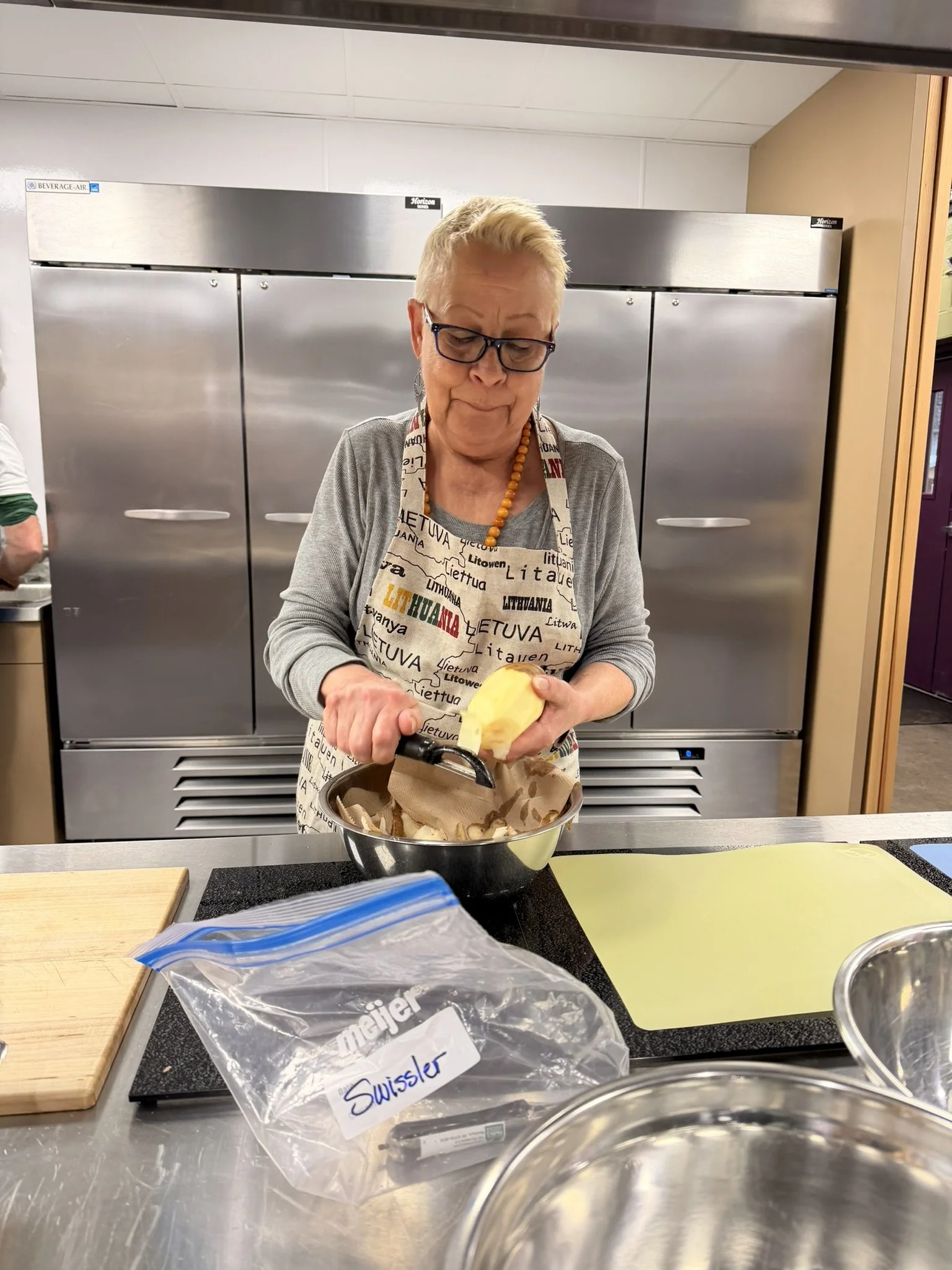
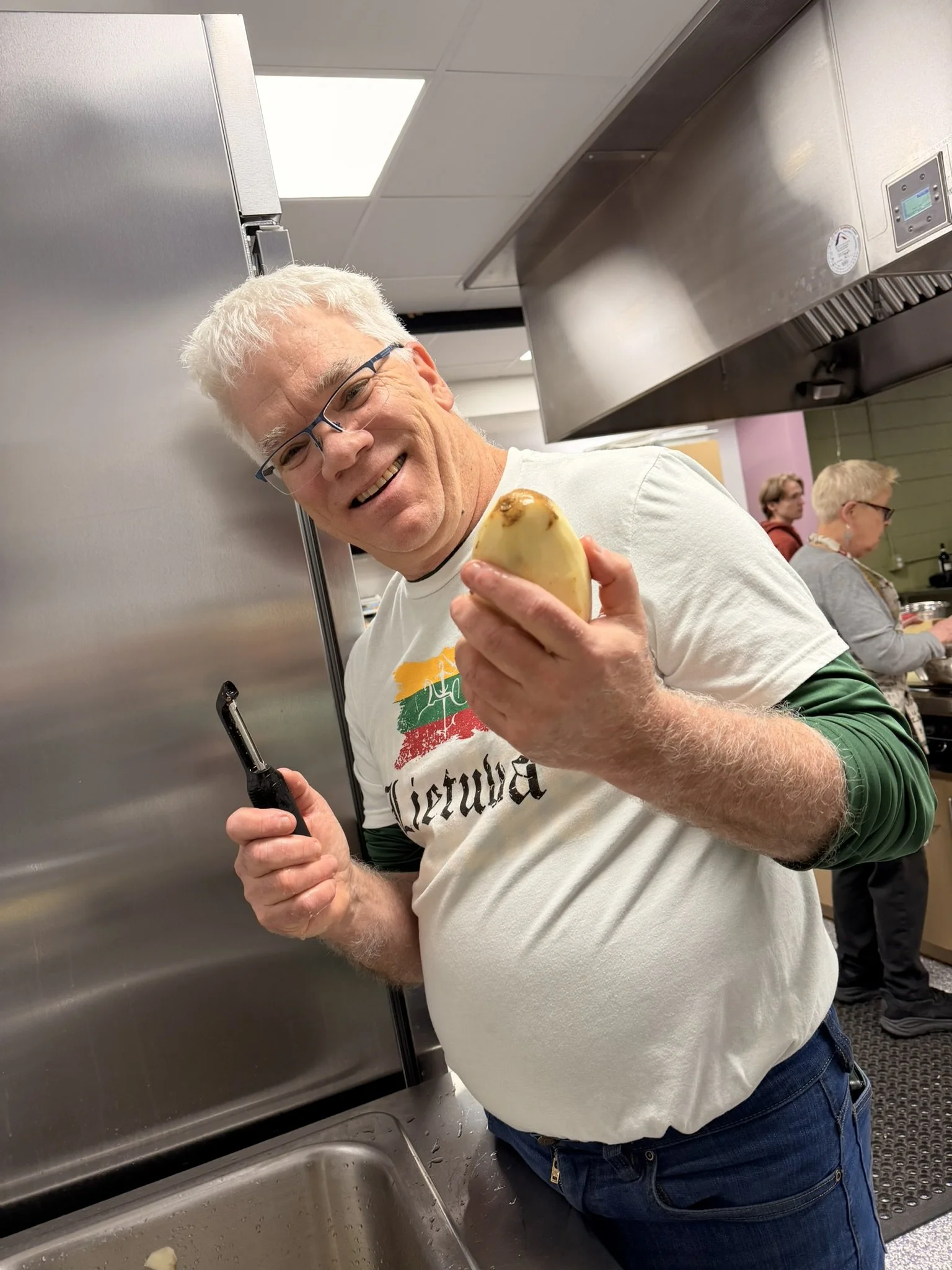
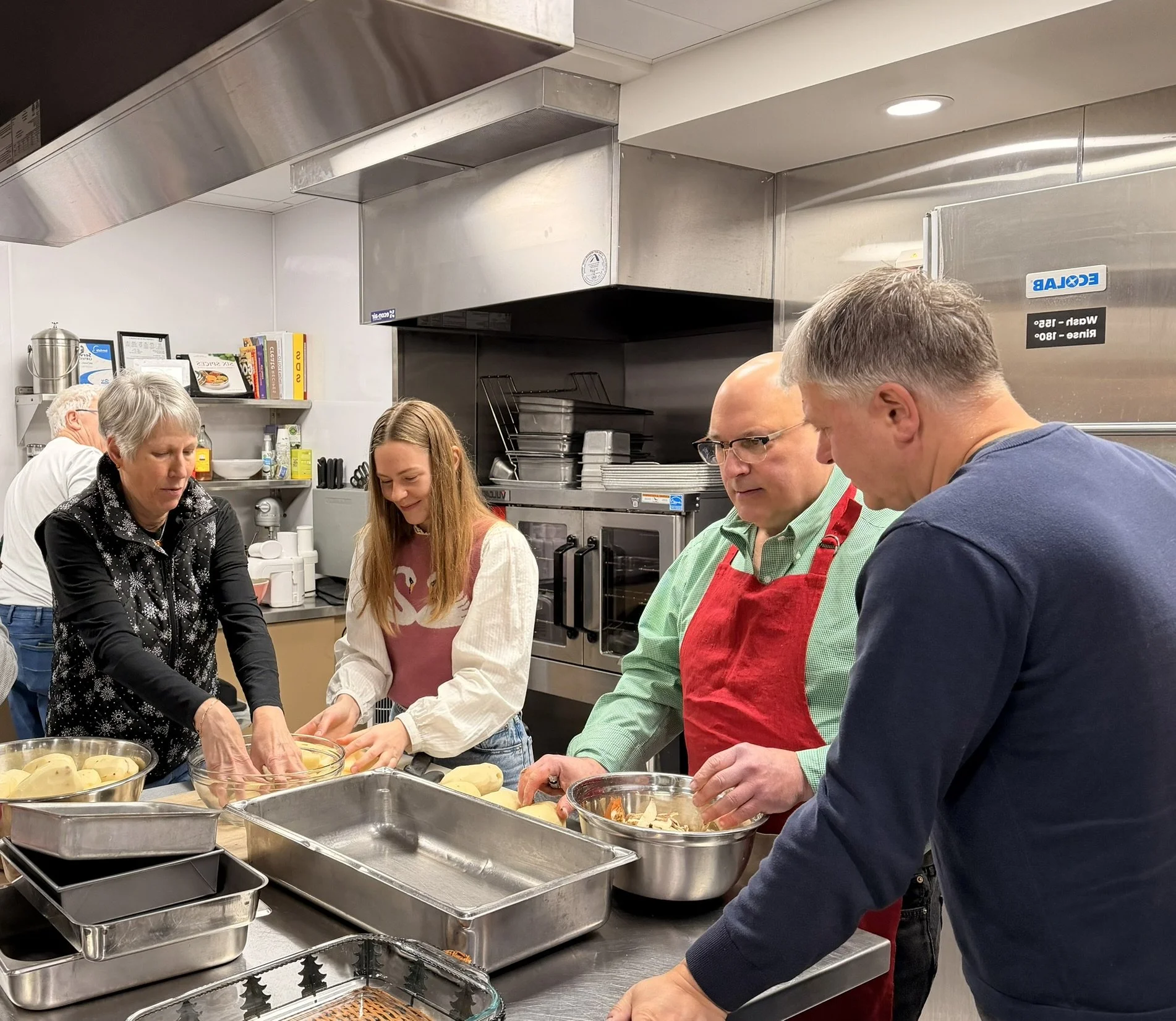
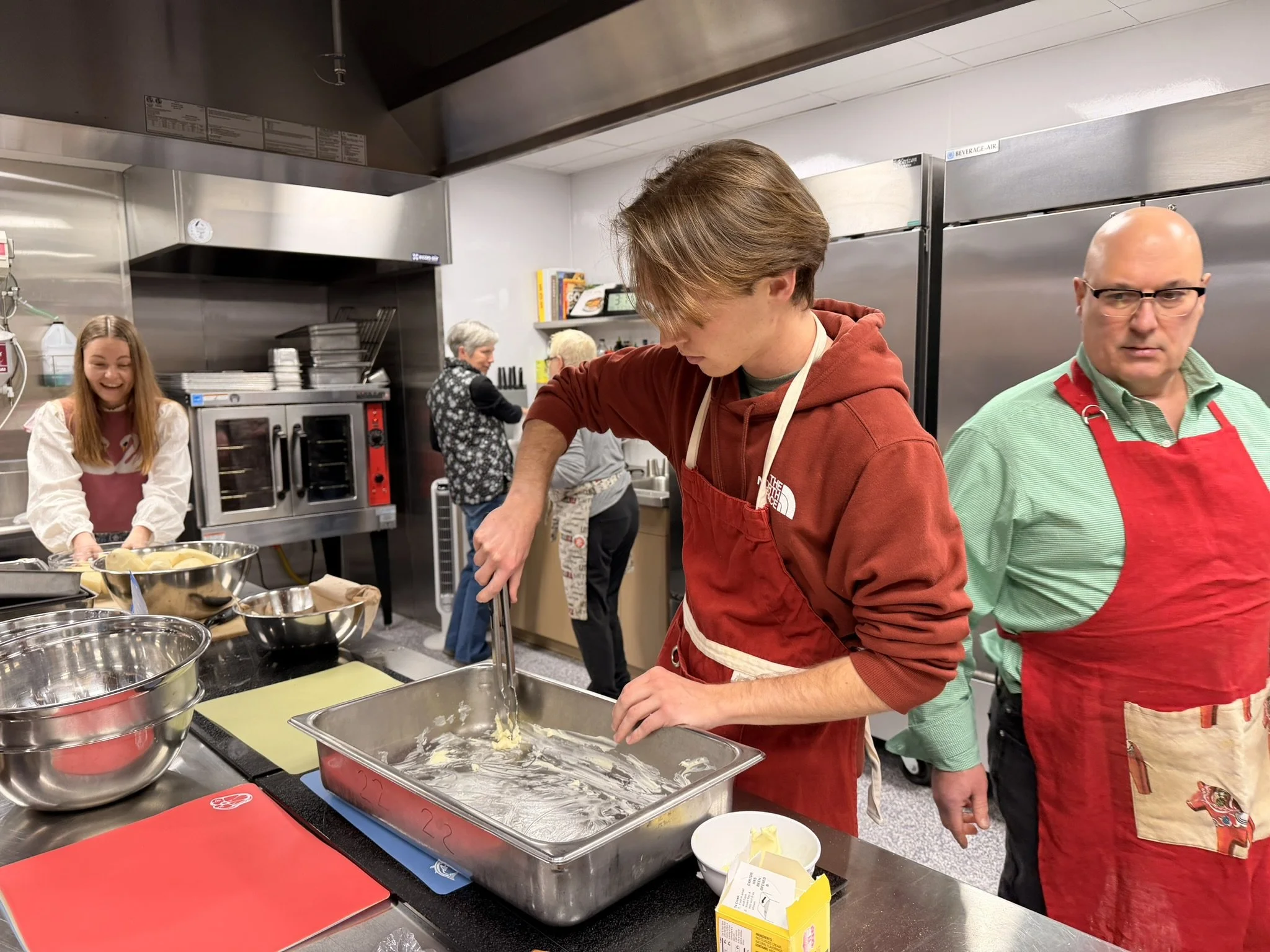
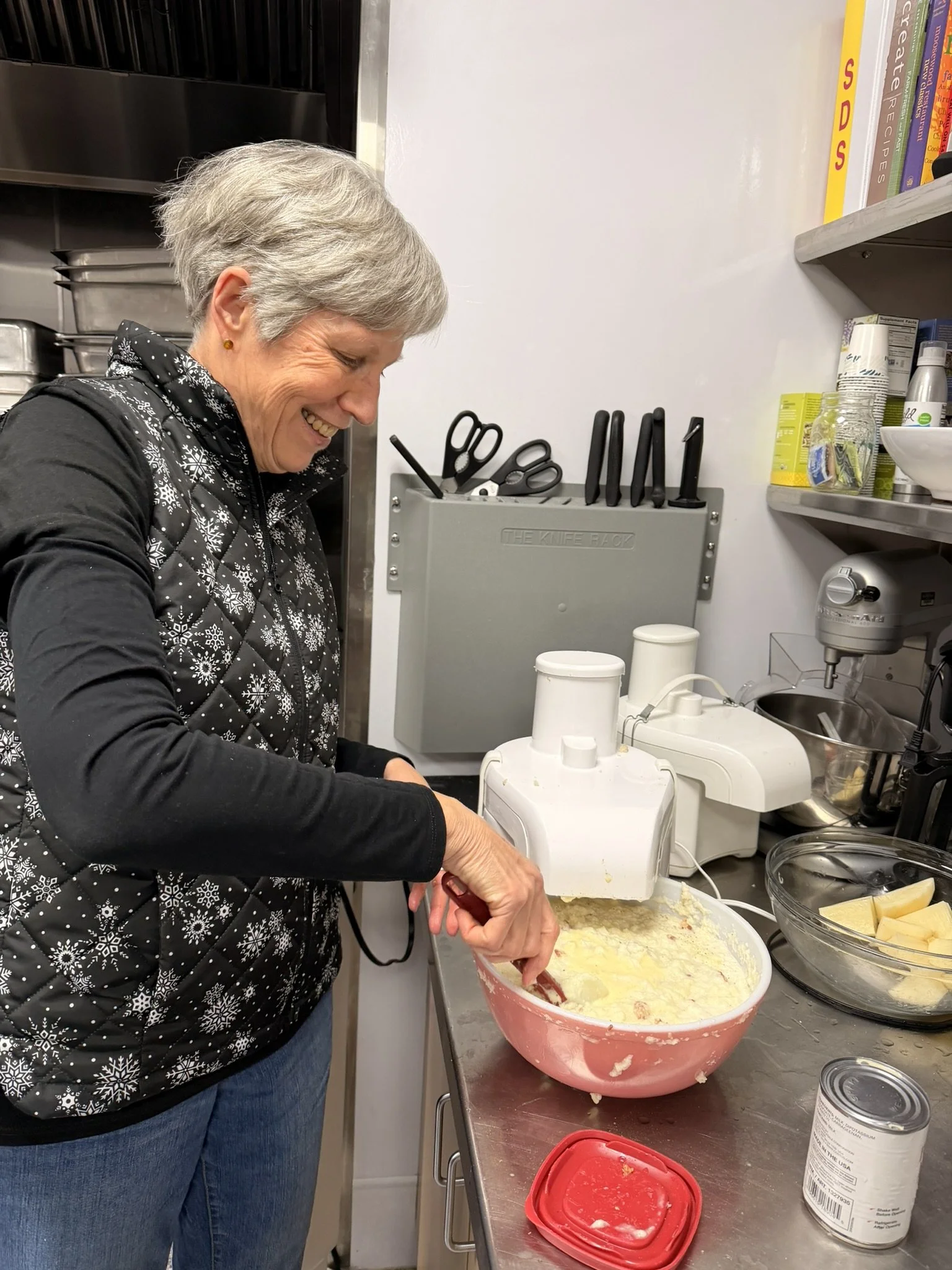
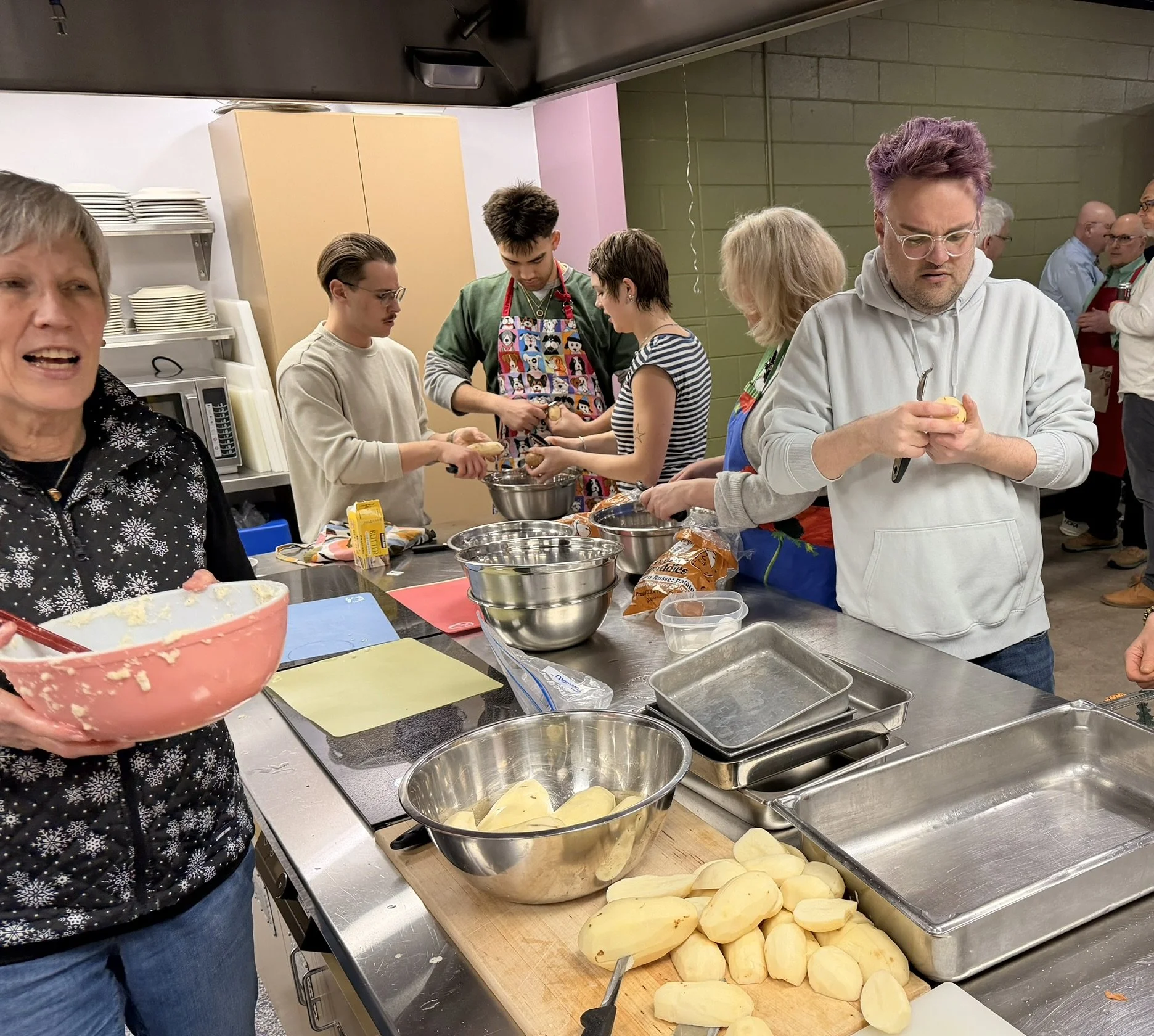
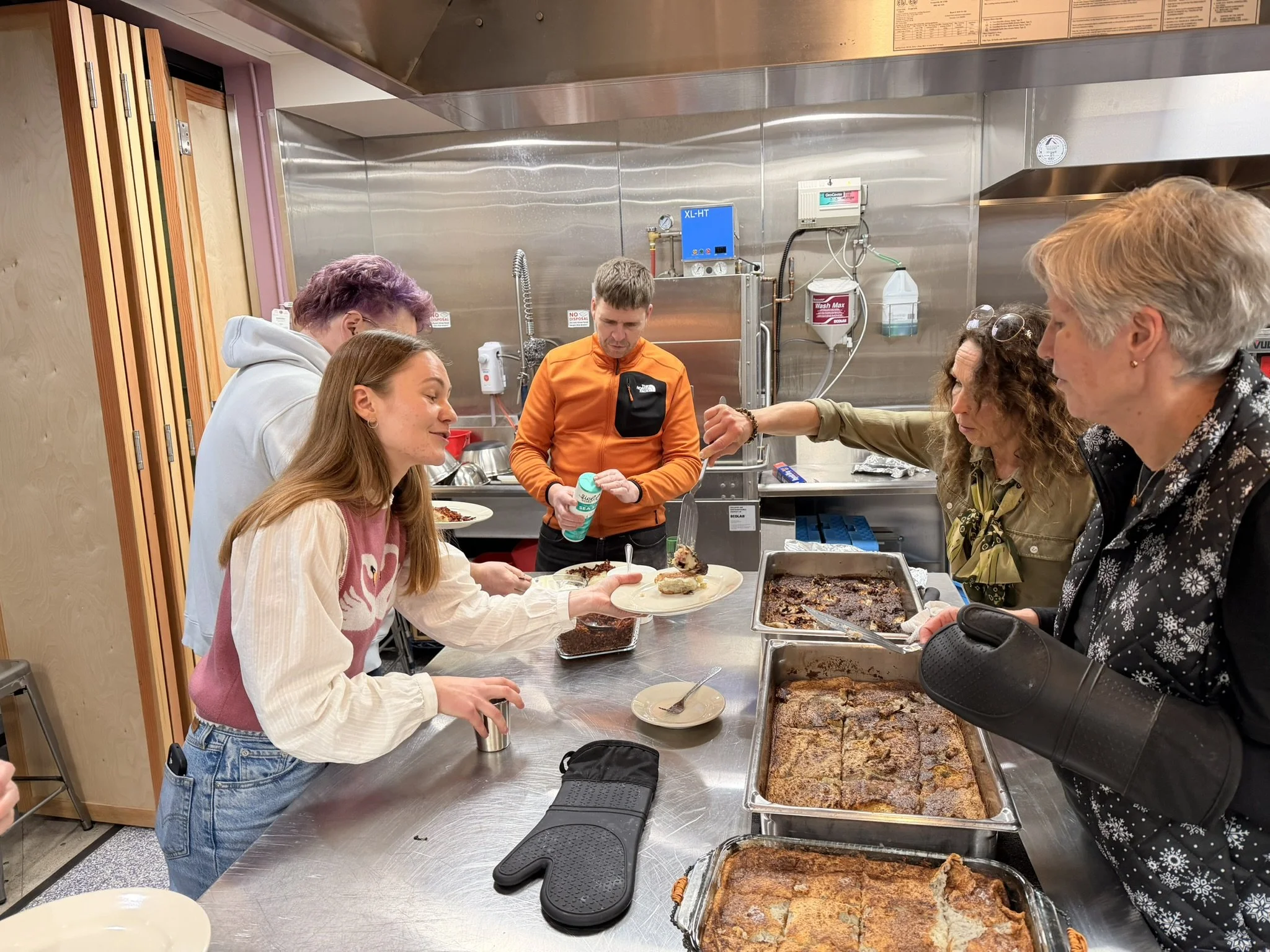
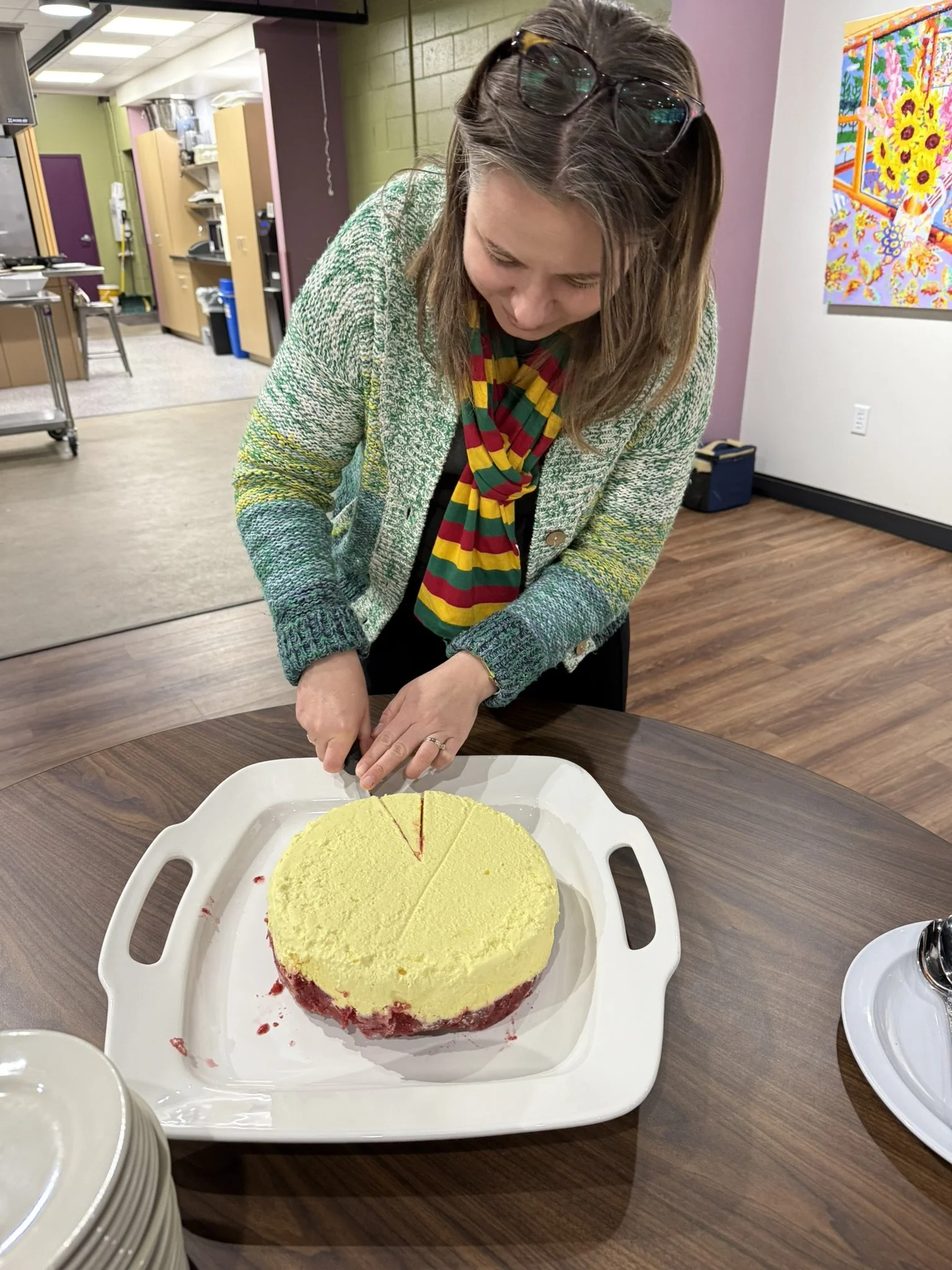
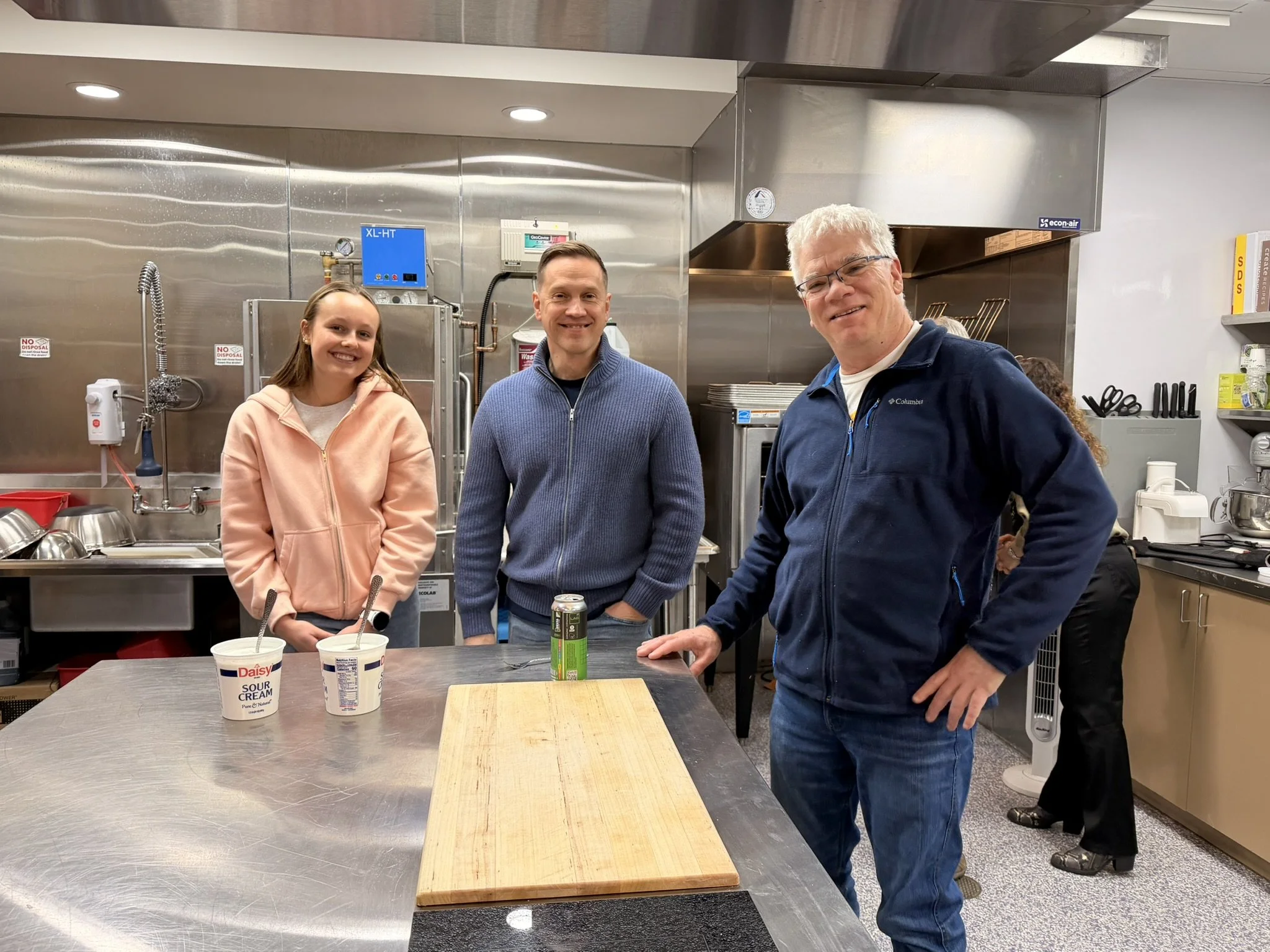
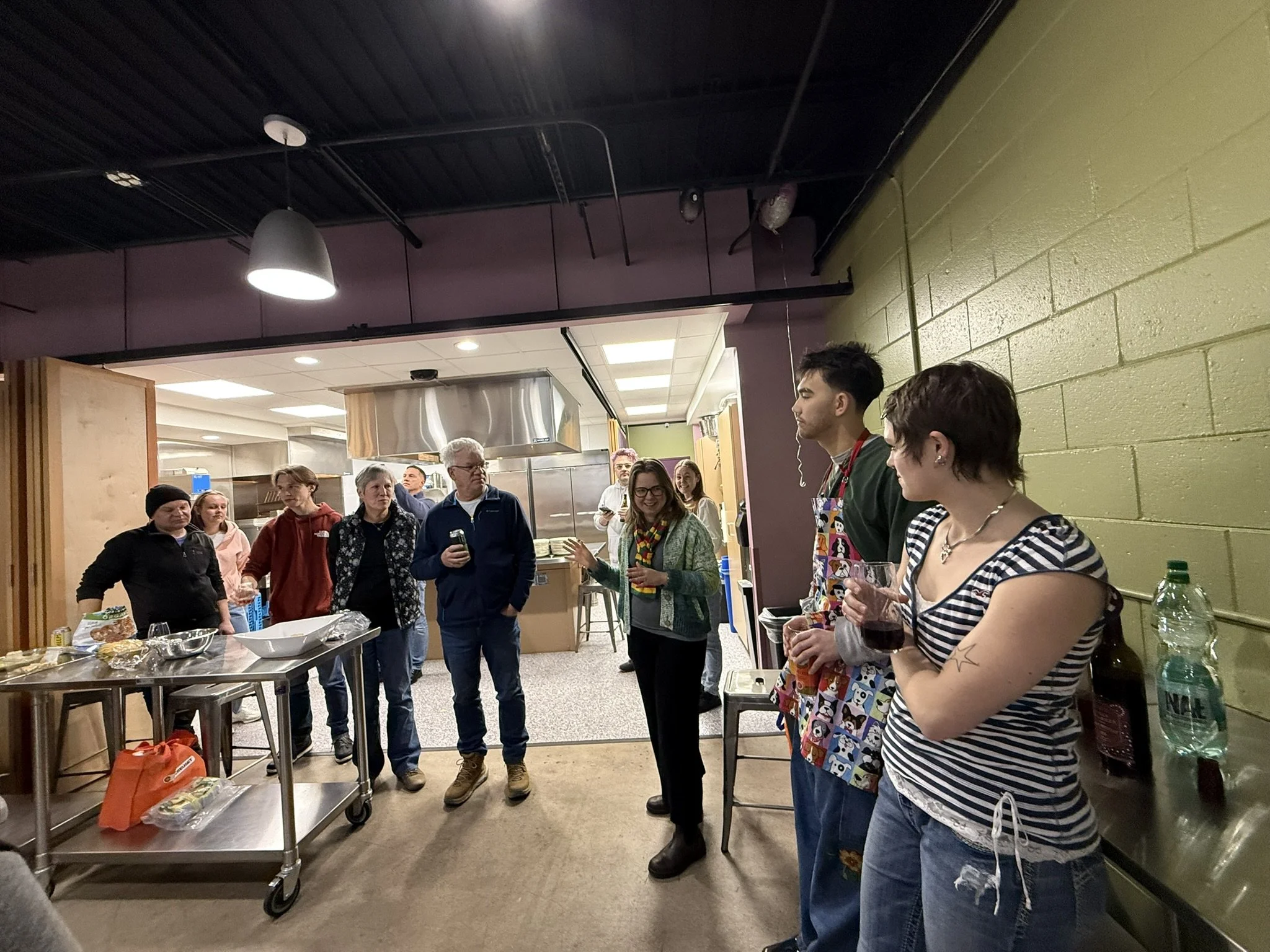
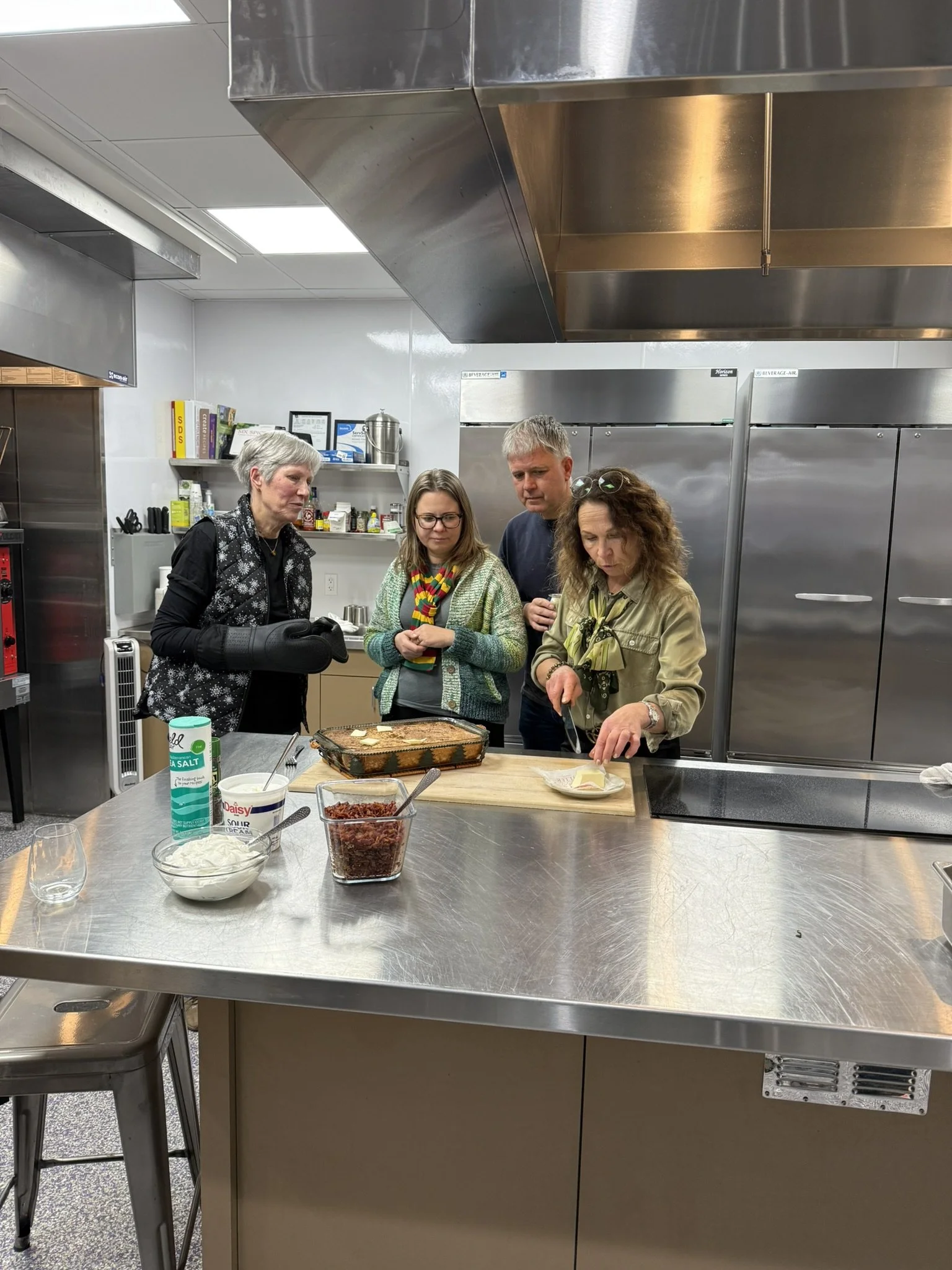
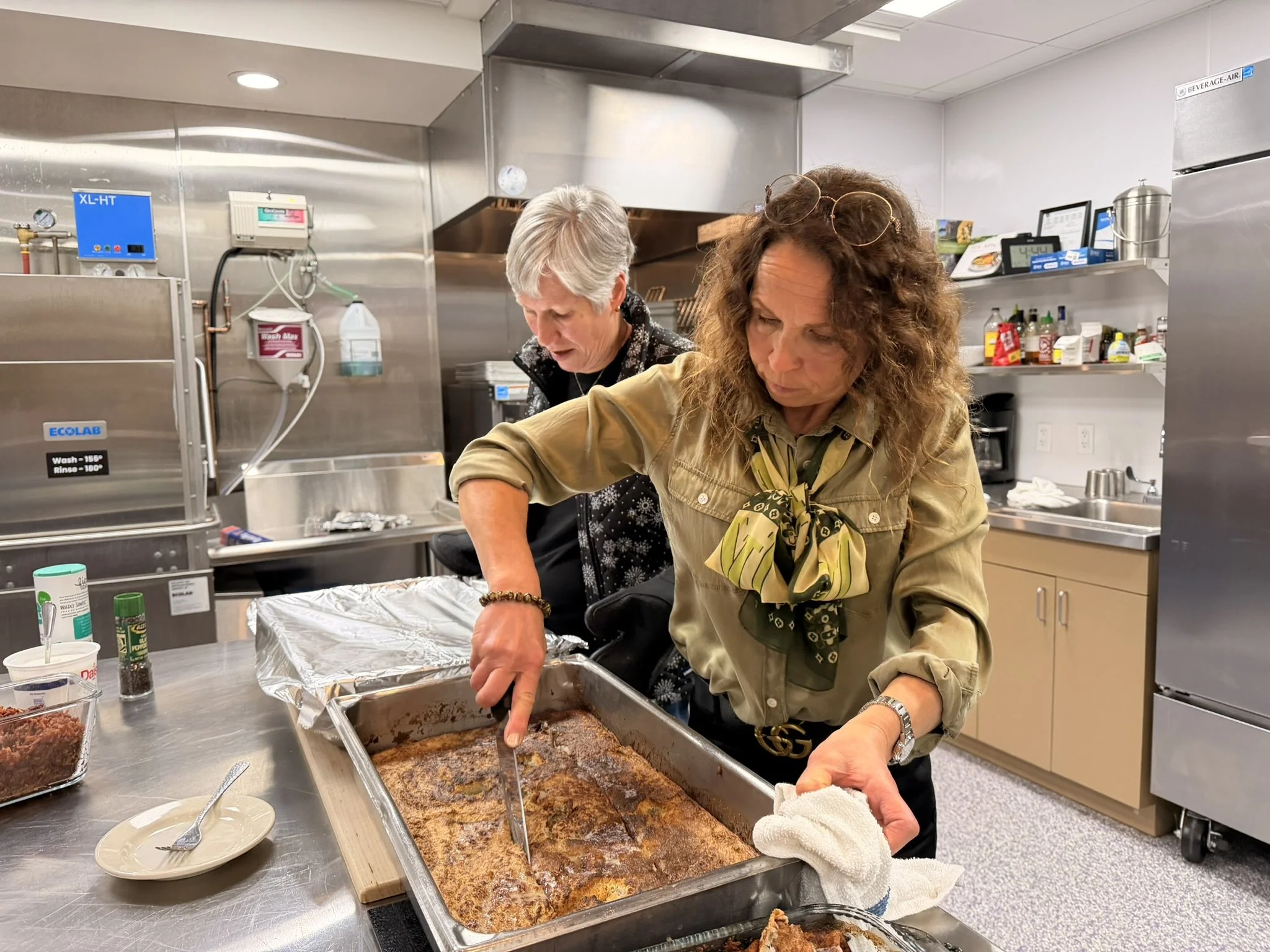
Madison Vilnius Sister Cities community met on a cold and snowy Sunday afternoon to peel 30 pounds of potatoes and bake Kugelis. This was our time together and a way to celebrate Lithuania’s birthday (Independence restoration). Photos below show how much fun we had at the Aubergine kitchen on the Willy St.

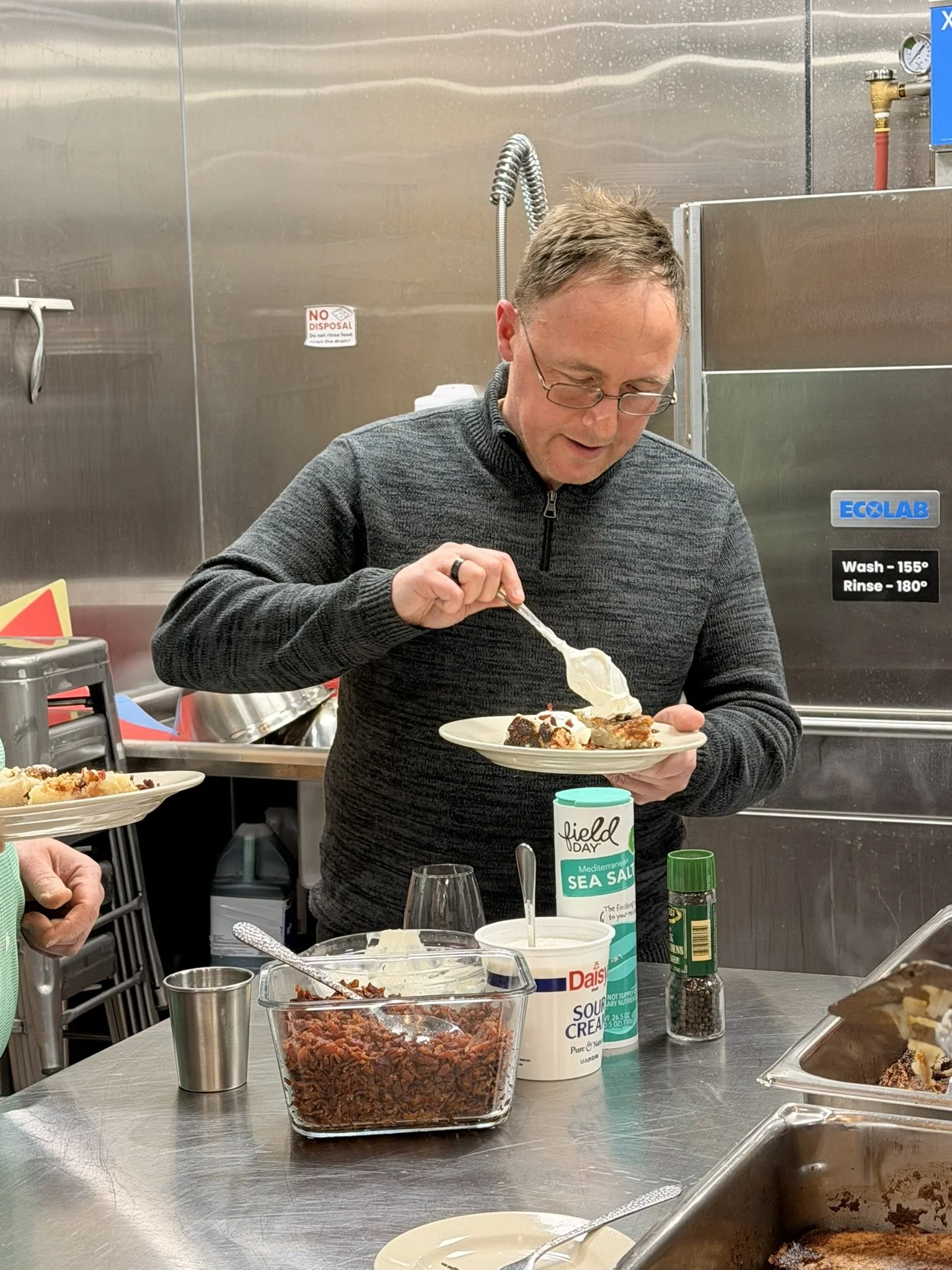
Our members are very fast potato peelers. Two families bought the potato grating machines that some call “kugelatorius.” Plenty of bacon was provided. Kugelis didn’t burn and was not too salty.

Food related events are becoming a new tradition and we are now more comfortable in the commercial kitchen, especially with the commercial dish washer. I have a feeling we will back with another dish.

An Evening of Magic from Vilnius

When two cities share a soul, they find ways to let it sing. This May, a piece of Lithuania arrives in Madison and you don't want to miss it.

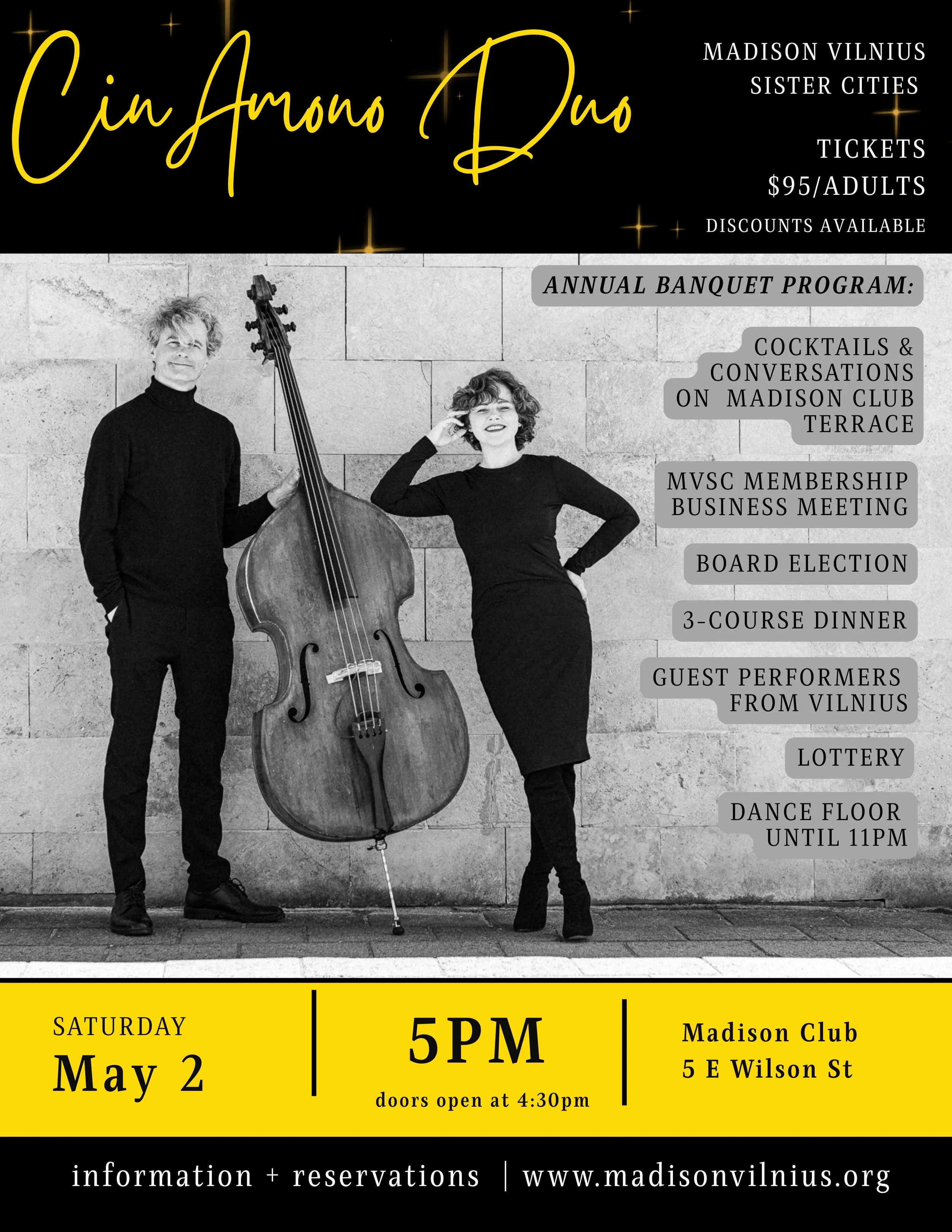
As president of Madison Vilnius Sister Cities, I have the privilege of being part of the organizing committee for the MVSC Annual Banquet and I am genuinely proud of this year’s program. Planning an evening like this takes months of work, and the moment we confirmed CinAmono Duo as our guest performers from Vilnius, I knew we had something truly special on our hands. May 2nd is an evening I believe every member of our community deserves to experience.

 "Theatrical atmosphere and slightly magic, ceremonial, involving music."

— Press description of CinAmono Duo

Meet the Performers

CinAmono was born in Vilnius in the autumn of 2013, the creative vision of two artists who also happen to be life partners: vocalist Laura Budreckytė and double bassist Vytis Nivinskas. Over more than a decade, they have built something rare in contemporary jazz — a sound so distinctly their own that it resists easy categorization, landing somewhere between poetry, theatre, and improvisation.

Laura Budreckytė

Vocalist & Composer

Laura grew up in Birštonas, a town Lithuanians affectionately call the jazz mecca of Lithuania. It shows. Her voice carries the confidence of someone who has been singing competitively since childhood, winning national vocal contests before earning her degree in jazz voice at the Lithuanian Academy of Music and Theatre. She has studied under masters including Bobby McFerrin, and in 2012 she won the international vocal competition Jazz Voices in Klaipėda. A year later she claimed the Grand Prix at the prestigious Riga Jazz Stage, an honor that opened doors to major European festival stages including Pori Jazz in Finland. Beyond performing, Laura is also a certified music therapist, a radio host on Lithuanian national radio, and the founder of a school of vocology. She is, in other words, a complete artist.

Vytis Nivinskas

Double Bassist, Composer & Doctor of Arts

Vytis once studied philosophy at Vilnius University before jazz intervened and changed the course of his life. He has since earned a master's degree from DePaul University in Chicago, a PhD from the Lithuanian Academy of Music and Theatre, and is currently a Baltic American Freedom Foundation visiting scholar at UC San Diego, researching innovative double bass techniques in solo improvisation. He has performed in over twenty countries, spent formative years on the Chicago and New York jazz scenes, and has served on the board of the Lithuanian Jazz Federation. He is an associate professor, a sought-after collaborator, and — when he picks up that double bass — something close to a conjurer.

Their latest album, CinAmono Duo (2024), is dedicated to the beauty of the archaic Lithuanian language, drawing on the poetry of seven Lithuanian poets set to original music for voice and bass alone. It is intimate and expansive at once — minimalist in instrumentation, vast in emotional reach. The duo has been featured several times in the Lithuanian Jazz Federation's Jazz from Lithuania collection. Critics describe their performances as combining "vibrant forms, special melodies, and broad spaces for improvisation" with each performance unfolding like a conversation between two deeply attuned minds.

“Good poetry that requires an exclusive sonic approach often becomes the pivot of their joint creative work”

Watching CinAmono live is reportedly a different experience than listening to a recording. The theatricality of their presence, the intimacy of two people communicating through a language of jazz and Lithuanian verse — audiences describe leaving their performances feeling as though they witnessed something they cannot quite name. That is, I think, the mark of art that genuinely matters.

The Full Evening

The performance is embedded in what promises to be a genuinely lovely event from start to finish. The Madison Club, one of the most elegant settings in the city, is the backdrop for an evening that moves from terrace cocktails to a three-course dinner to live music and dancing until 11 PM.

  • Cocktails & conversation on the Madison Club Terrace

  • MVSC Membership Business Meeting & Board Election

  • Three-course dinner, including šaltibarščiai (cold beet soup, a Lithuanian classic)

  • Live performance by CinAmono Duo

  • Lottery

  • Dancing

The dinner alone is worth noting: cold beet soup on a May evening at the Madison Club, as part of an evening honoring a sister city relationship that stretches across the Atlantic. There is something poetic about it that I appreciate. The vegetarian option is a dish for mushroom lovers, another Lithuanian attribute.

Event Details

Date: Saturday, May 2, 2026

Time: 5:00 PM, Doors open at 4:30 PM

Location: The Madison Club, 5 E Wilson St, Madison

Tickets: $95 / adult

Discounts: $65 for students and seniors, $30 children

Bring 3 or more friends and save 5%, use code GROUP5 at checkout

IMPORTANT: $30 of each adult ticket is tax-deductible and funds operations of the MVSC.

Why This One Matters

Madison and Vilnius have been sister cities since 1989. That relationship sustained across decades, across geopolitical shifts, across other changes is a quiet testament to the power of cultural connection. Events like this banquet are how that relationship stays alive and meaningful, not just as an entry on a government form somewhere, but as a genuine, felt bond between communities.

Bringing CinAmono Duo from Vilnius to Madison is not a small thing. It is an act of hospitality in both directions: toward the artists who travel here to share something precious, and toward an audience that deserves to experience music this beautiful. The MVSC Board has worked to keep tickets accessible even as costs have risen.

Go. Bring a friend. Sit with the music. Let the Lithuanian language wash over you even if — or especially if — you don't understand a word. That, too, is part of the experience.

“If we can speak, we can sing”
— Laura Budreckytė

We will see you on the terrace.

Across the Atlantic, A Friendship Renewed: Vilnius Mayor Visits Madison

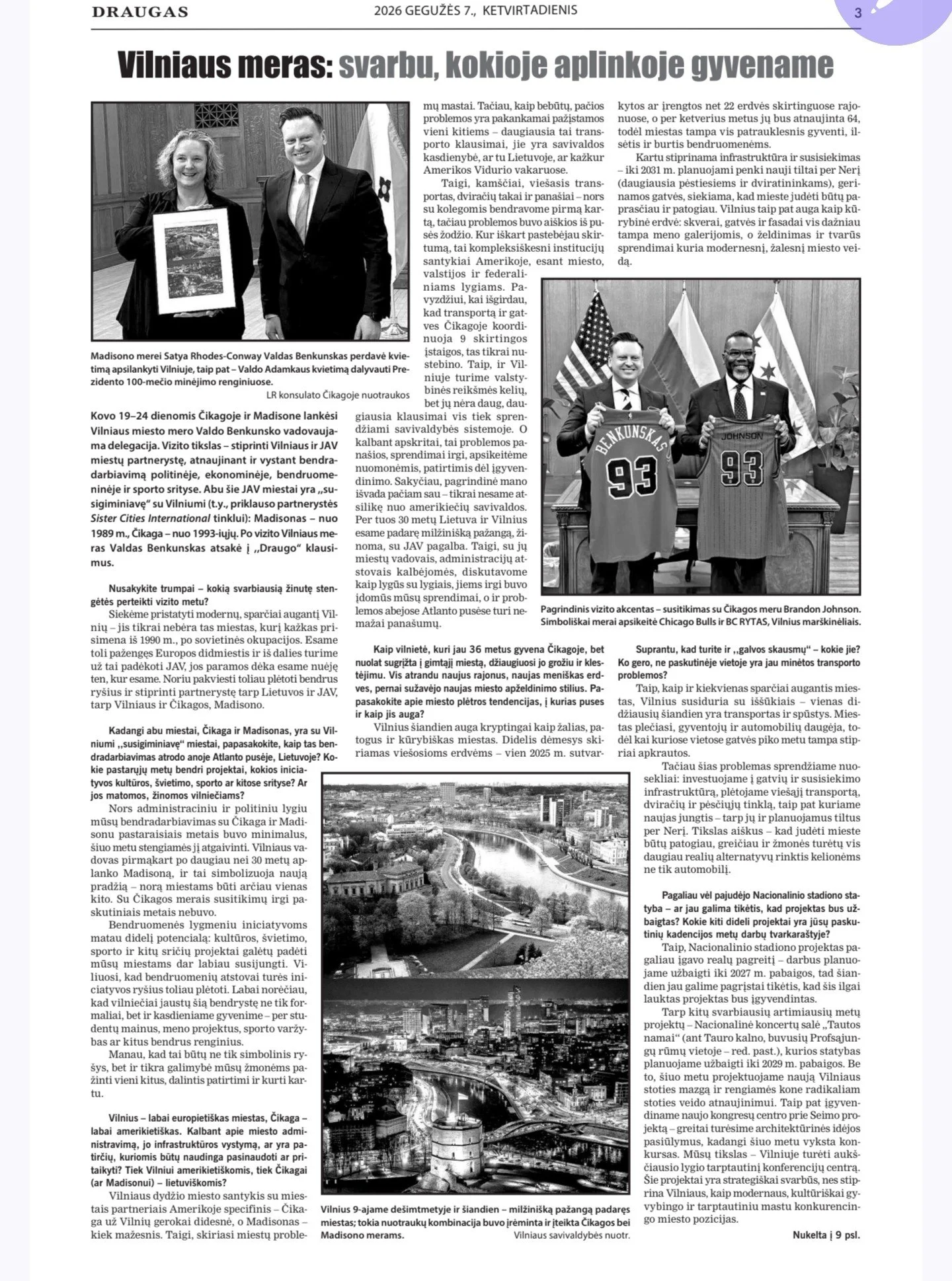
There are moments in civic life that transcend the ordinary: when a handshake between two city leaders carries the weight of decades of friendship, shared values, and a mutual belief that the best ideas know no borders. March 20, 2026 was exactly such a moment.

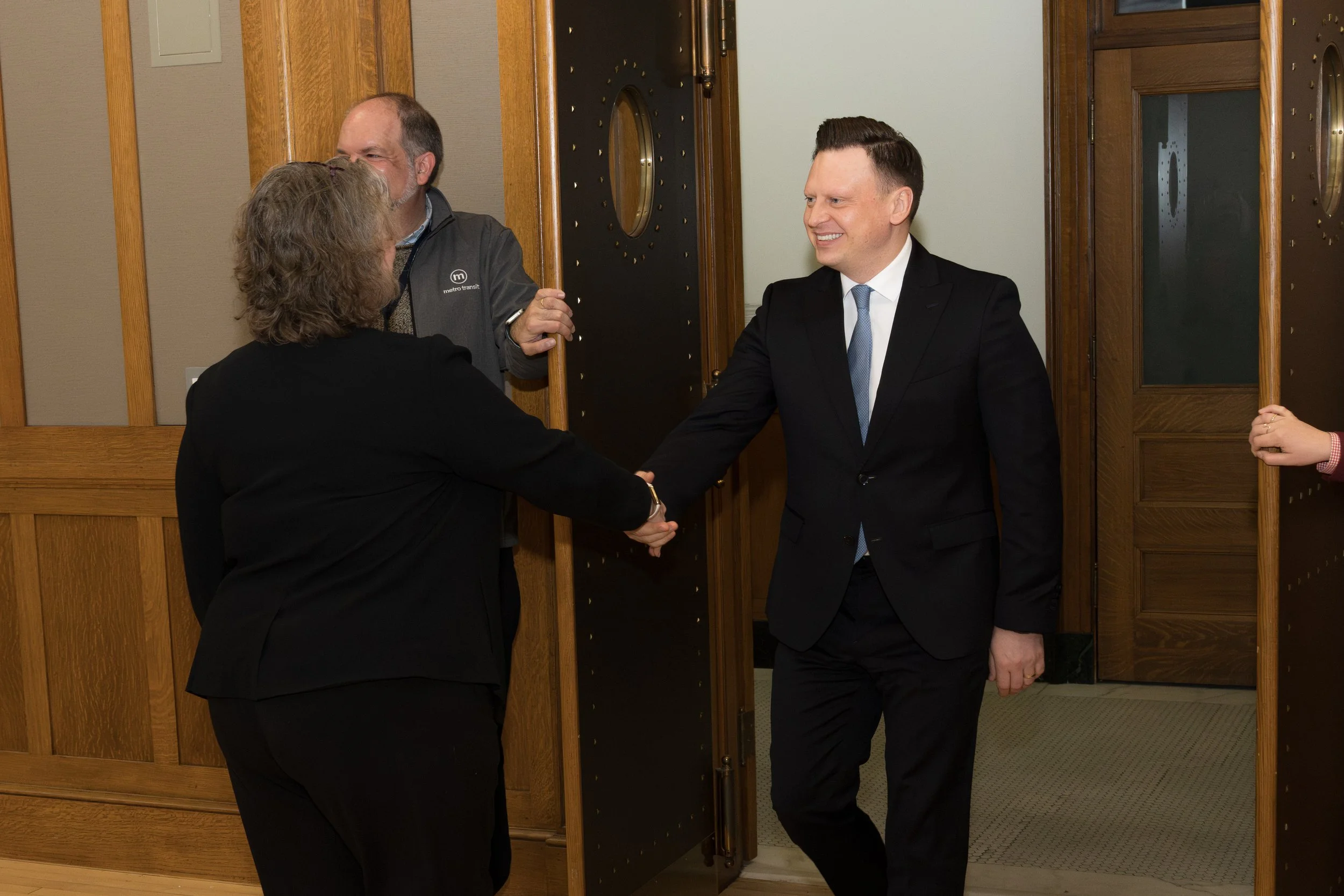
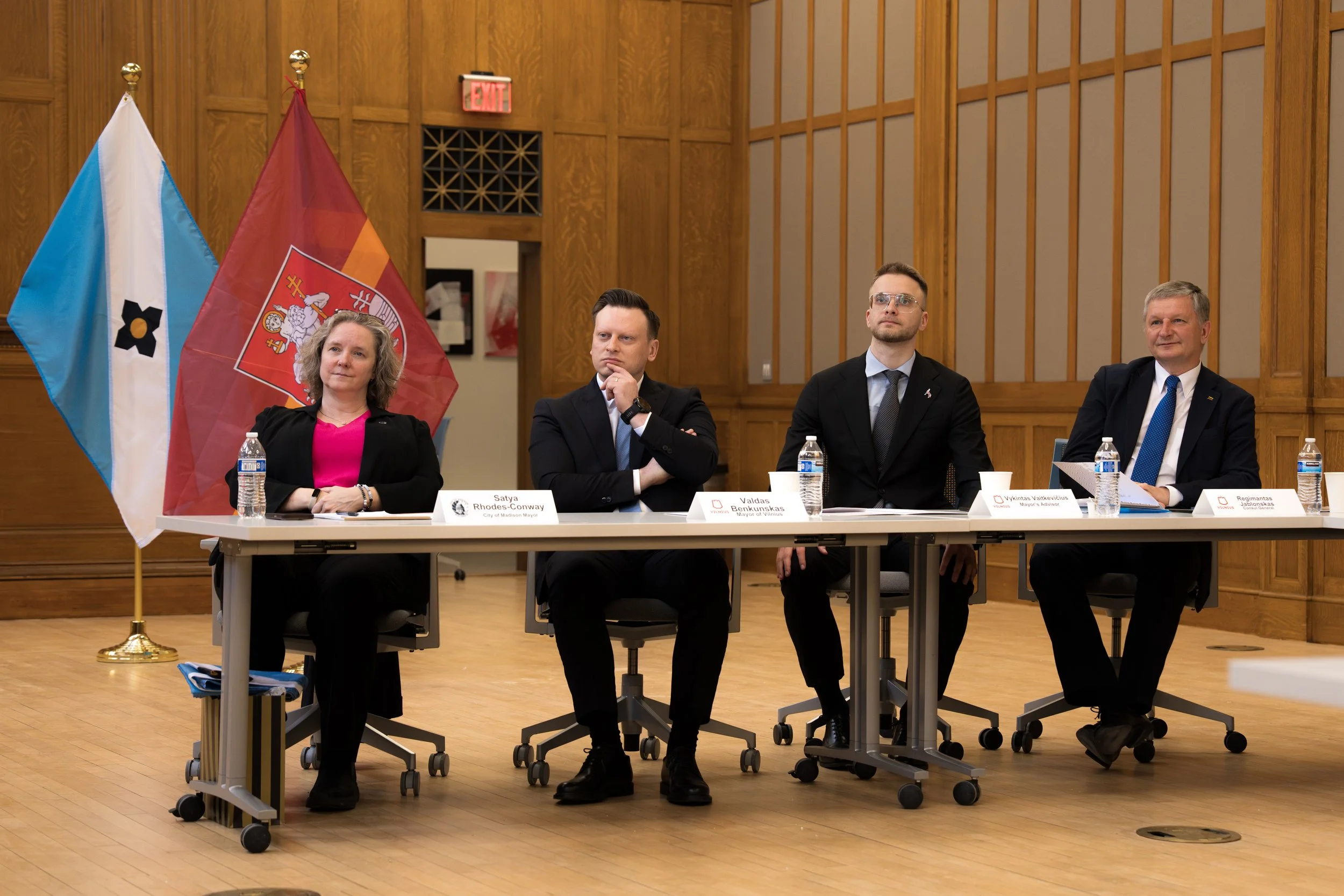
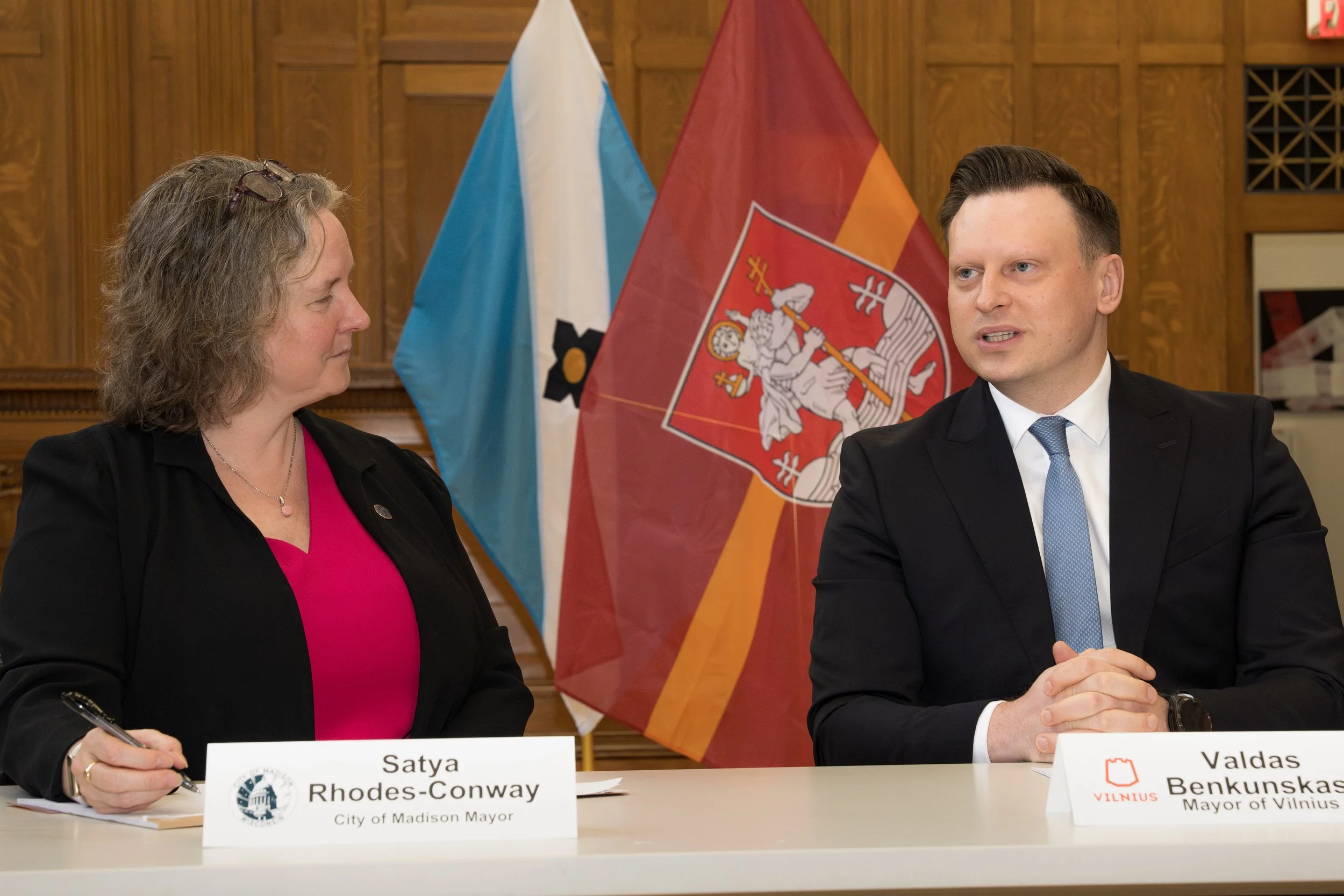
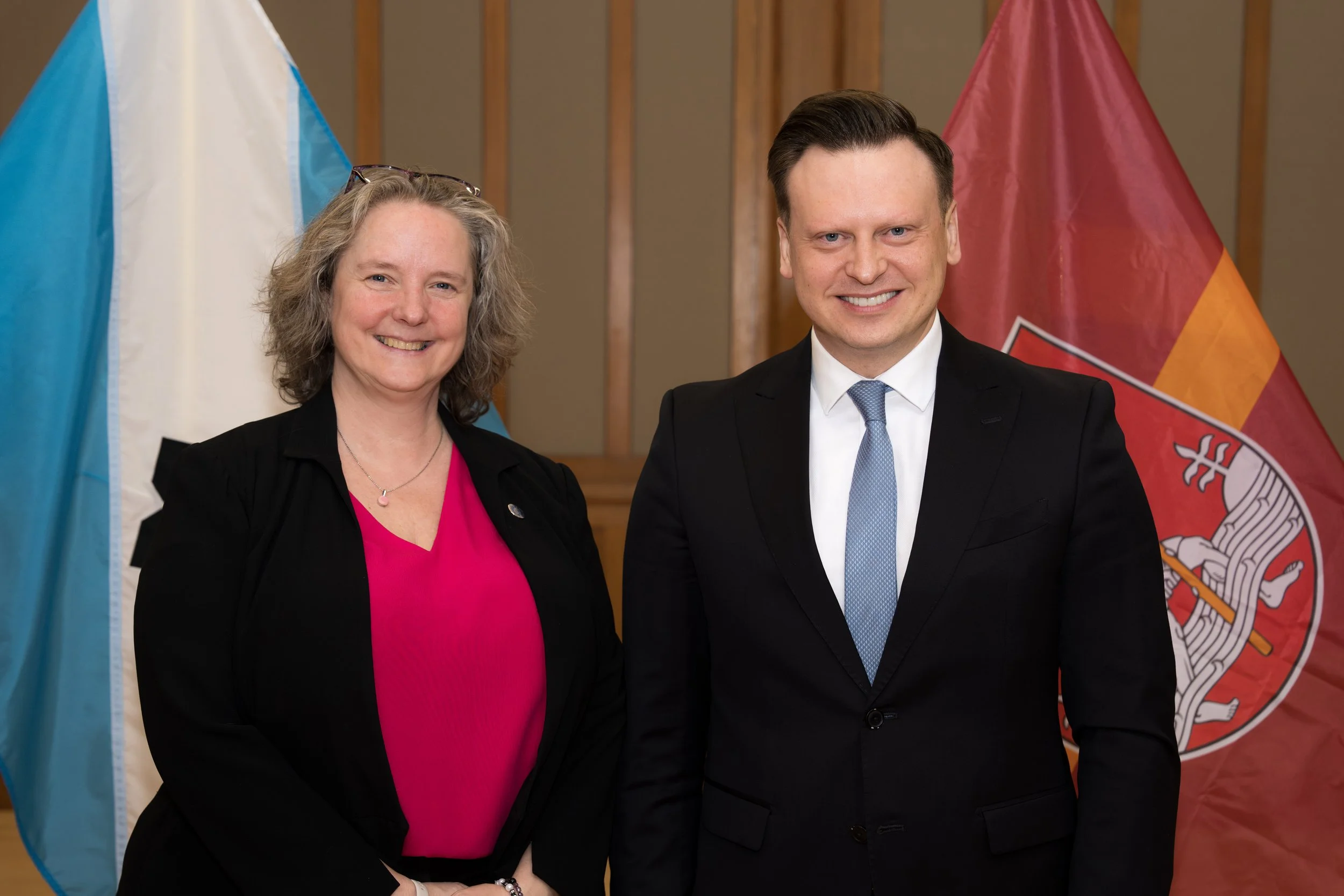
Mayor Satya Rhodes-Conway greets Mayor Benkunskas

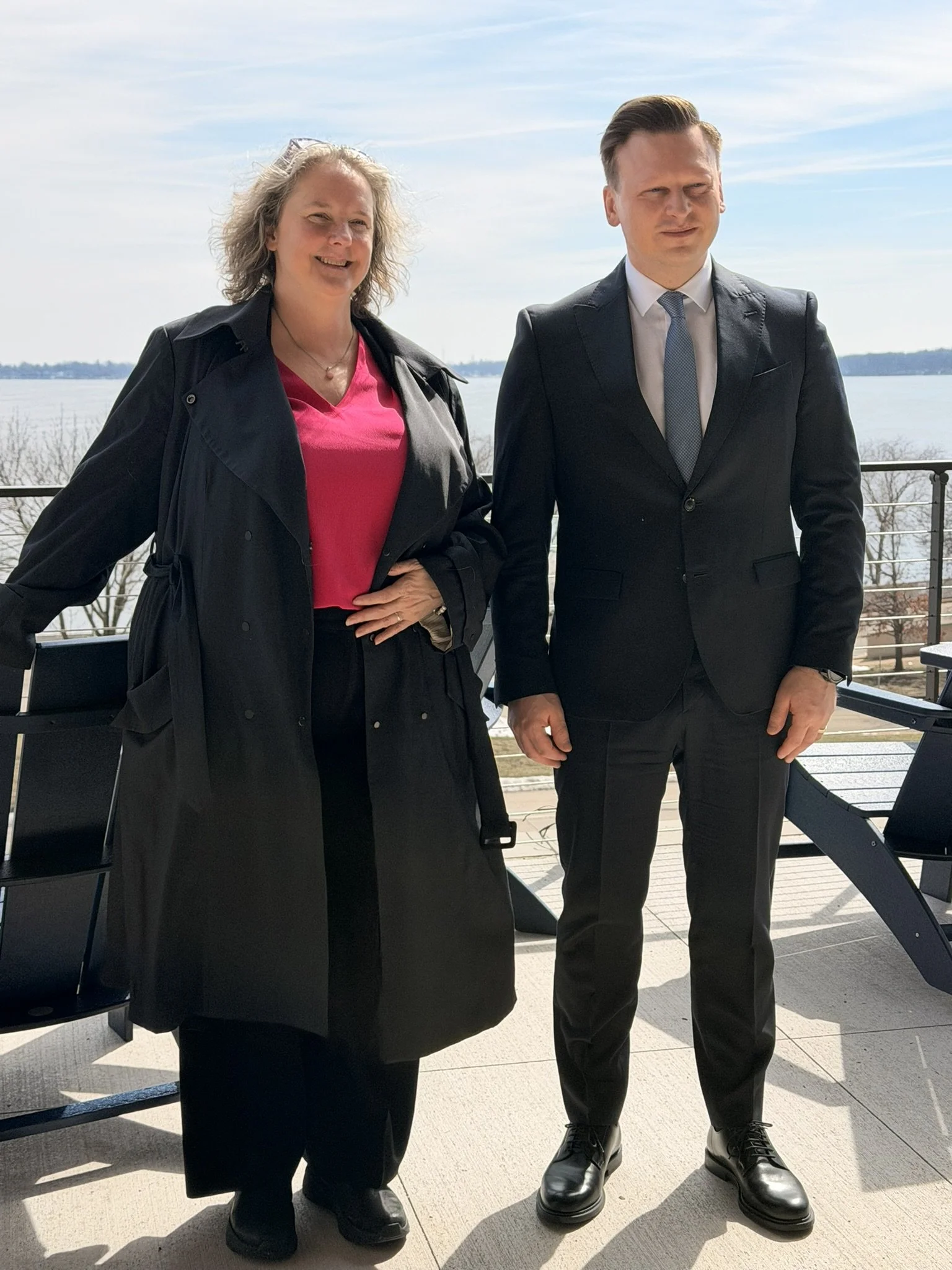
Valdas Benkunskas, Mayor of Vilnius, arrived in Madison, Wisconsin, and in doing so, made history. He became only the second mayor of an independent Lithuania to visit our city since mid 1990s. The warmth between these two cities has never dimmed.

A Meeting of Mayors, A Meeting of Minds

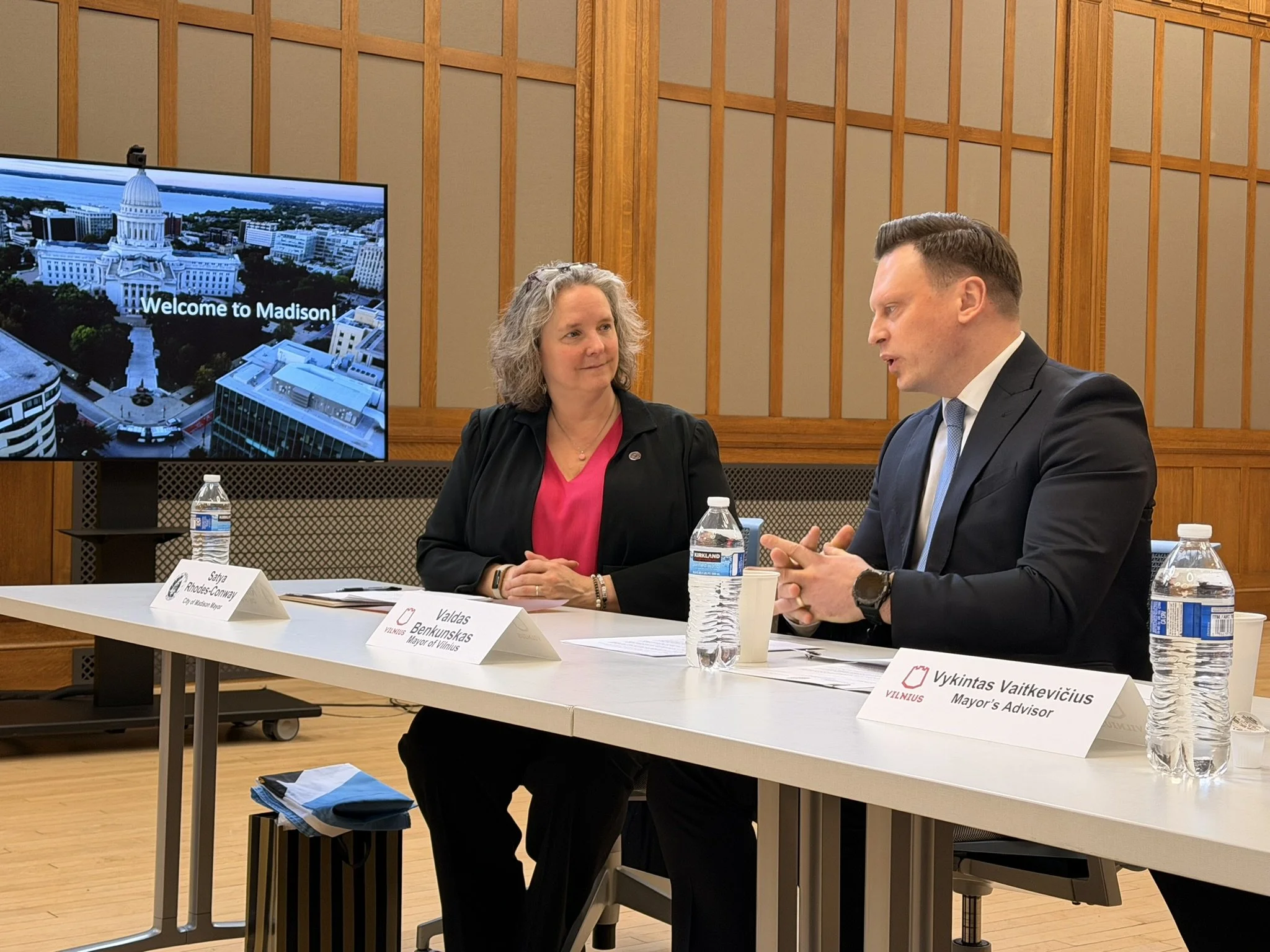
The centerpiece of the visit was a one-on-one meeting between Mayor Benkunskas and Madison's own Mayor Satya Rhodes-Conway. Two leaders who, separated by an ocean, share a strikingly similar vision for the future of urban life.

Their conversation was substantive and forward-looking. Sustainability, public transit innovation, convention centers and economic development, and infrastructure modernization topped the agenda. Madison has recently emerged as one of the most progressive transit cities in the United States. The city's ambitious pledge to achieve climate neutrality by 2030 served as a compelling backdrop for the day's explorations. And Vilnius is now the largest city in the three Baltic countries (over 600,000).

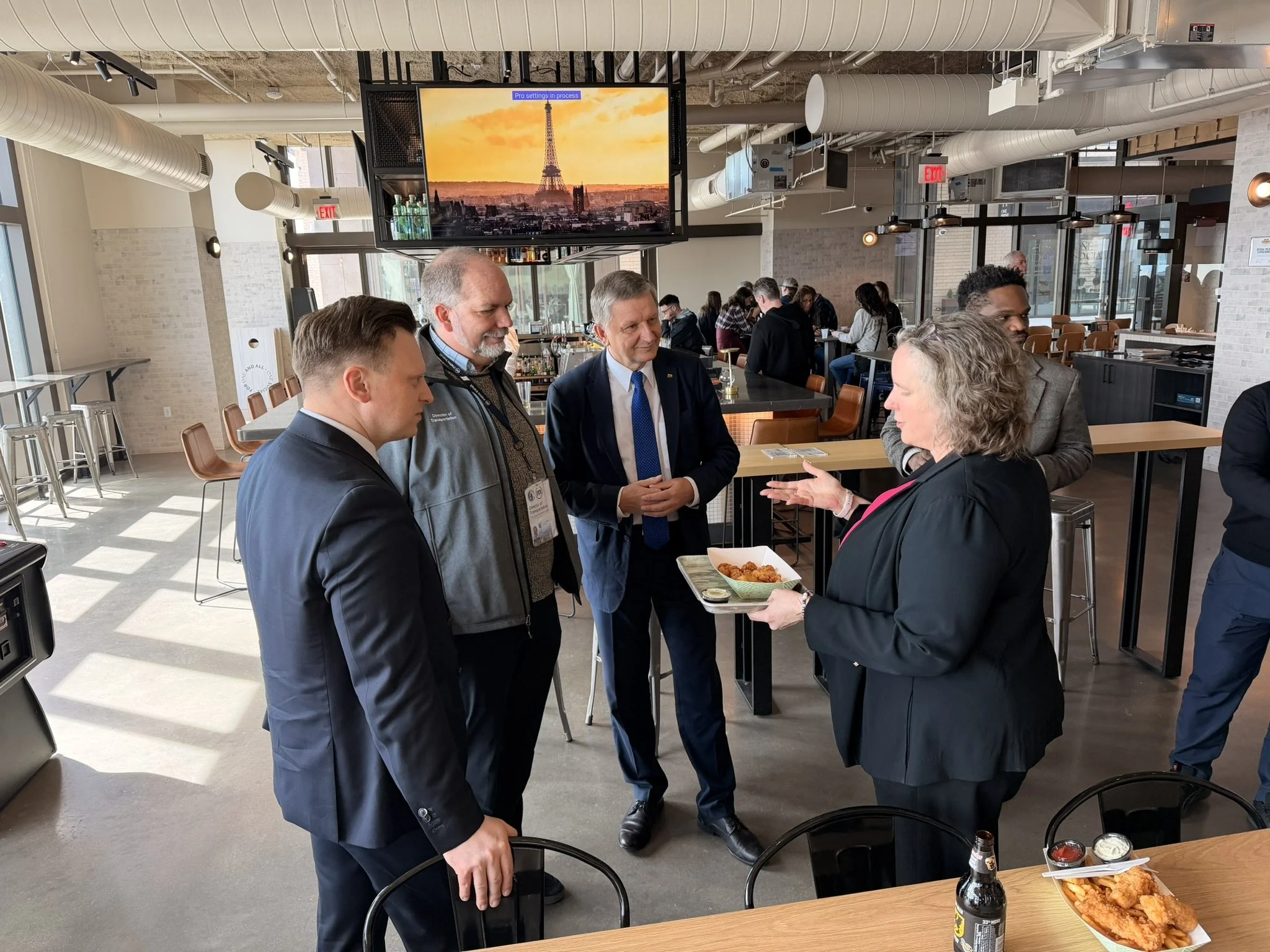
Mayors listening to the Madison Department of Transportation presentation

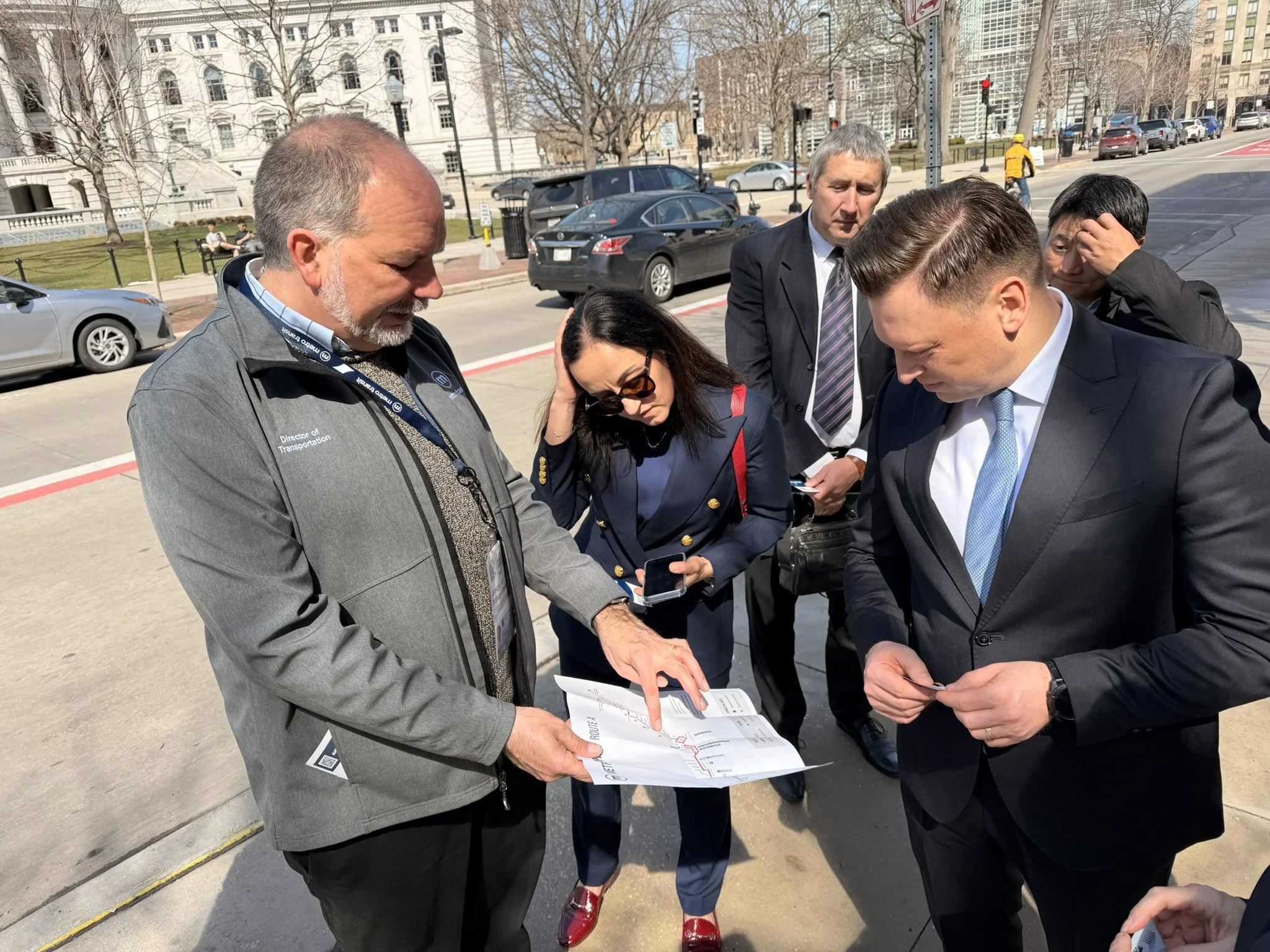
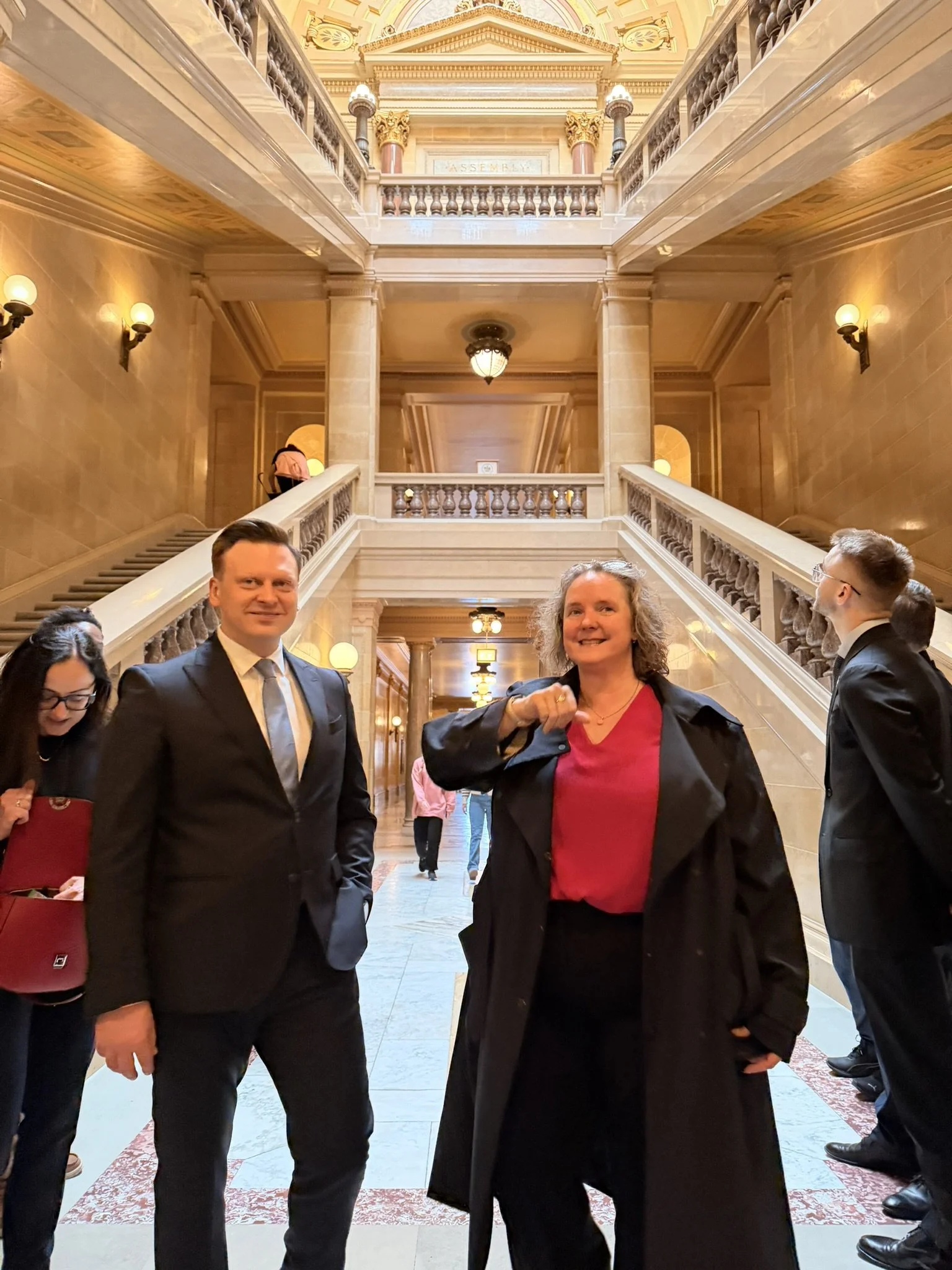
Mayor Benkunskas didn't just hear about Madison's transit transformation — he experienced it firsthand. The city's Department of Transportation provided a full tour of its evolving public transportation network: elevated bus stations rising elegantly above street level for a speedy onboarding, environmentally friendly electric buses gliding silently through dedicated center-lane bus corridors, traffic signals optimized for a speedy journey. The two mayors then strolled together down the beloved State Street, that great pedestrian artery of Madison's civic soul, before finishing with a shared moment of wonder beneath the magnificent rotunda and dome of the Wisconsin State Capitol. It was the kind of civic poetry that no conference room can replicate.

Reviewing the bus route before onboarding the bus

The insights Mayor Benkunskas gathered and shared carry real promise for both Vilnius and Madison. Conversations centered on how Madison's best practices in electrified public transport could be adapted and implemented back home where electric boats in Neris river are starting this year. Conference infrastructure development was also on the table, a timely topic as Vilnius plots its course as a major European venue for international gatherings.

37 Years of Partnership — and Counting

To understand the significance of this visit, one must appreciate the depth of what binds Vilnius and Madison. Their sister city relationship was forged in 1989, at one of the most consequential moments in modern European history when Lithuania was reclaiming its voice and its sovereignty. Madison stood with Vilnius then, and that solidarity has endured.

Madison today maintains ten sister city relationships around the world, but only three of those partnerships reach into Europe. Vilnius is among the oldest, and one of the most meaningful.

During the visit, Mayor Benkunskas extended a heartfelt invitation for Mayor Rhodes-Conway to visit Vilnius — a gesture of reciprocity that carries the hope of a return journey and deepened ties. He also conveyed a personal invitation to the former President Valdas Adamkus centennial celebrations honoring the president's remarkable legacy. These are not mere diplomatic pleasantries; they are the threads from which lasting international friendships are woven.

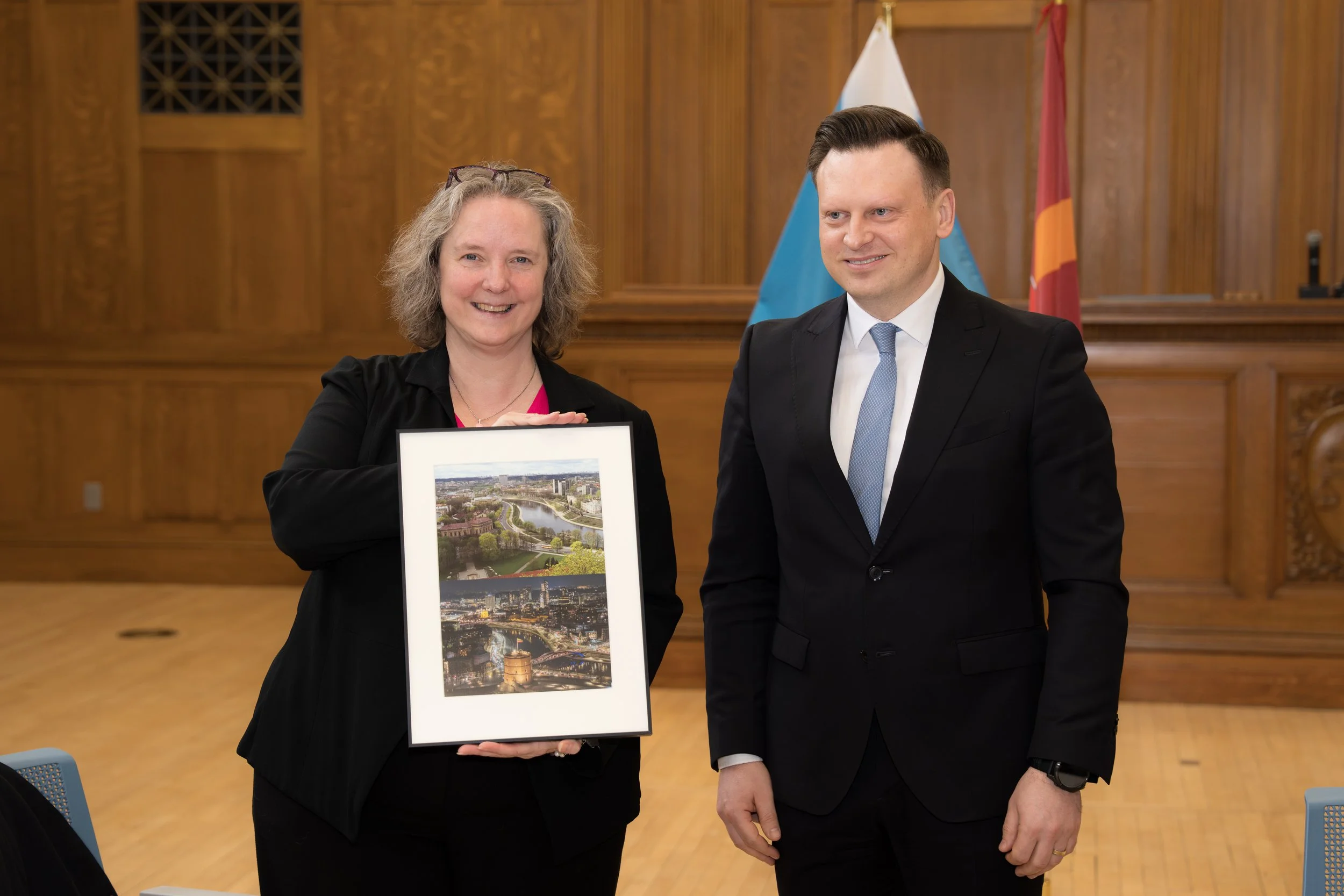
Mayor Benkunskas presented one of the gifts to Madison - a photo of Vilnius today and 30 years ago

Community, Conversation, and a Flag from Vilnius

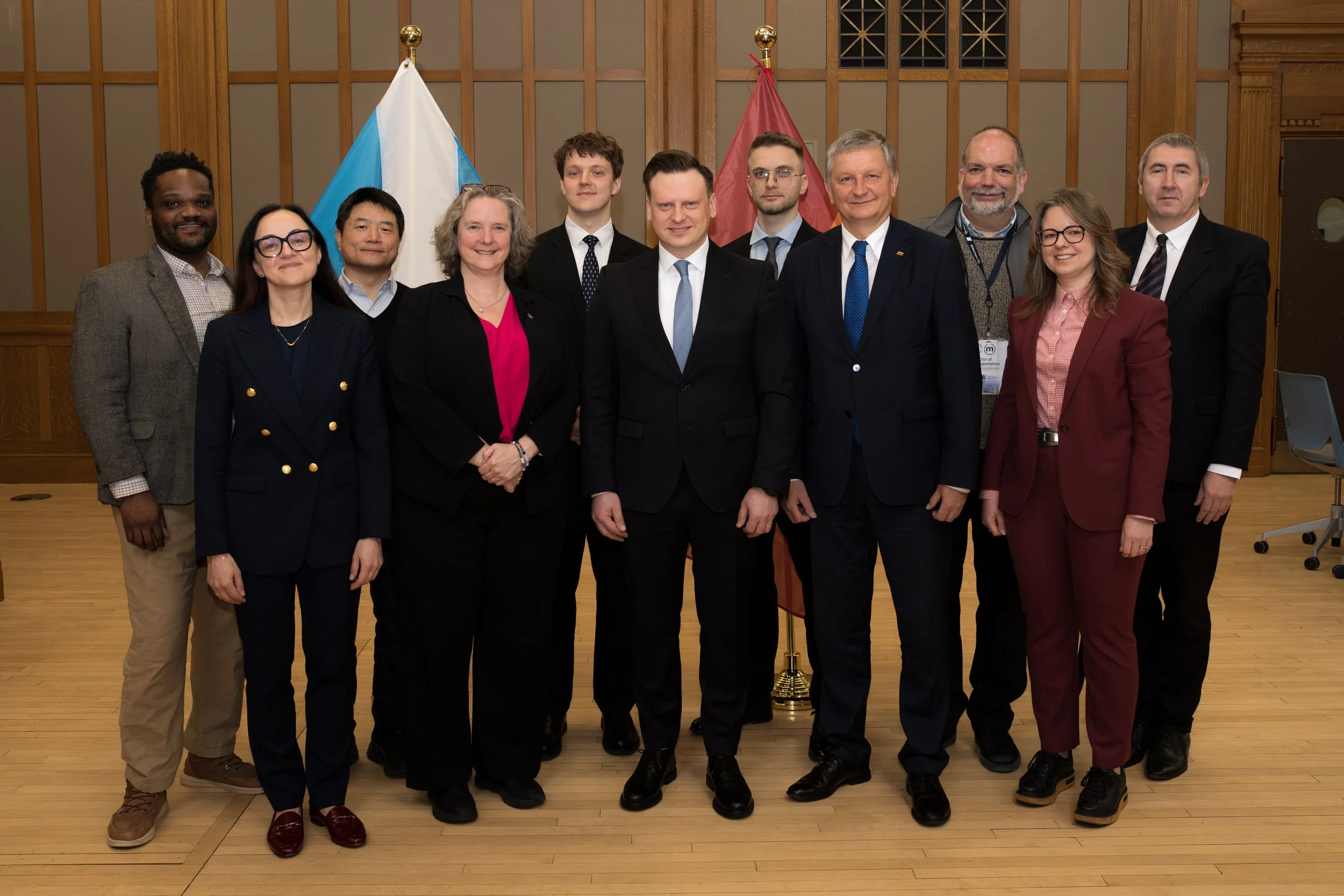
After the formal meetings concluded, the day took on a more intimate character. Mayor Benkunskas and a delegation from the Chicago Consulate gathered with the Madison Vilnius Sister Cities Board members for an open conversation — the kind of honest, hopeful exchange that sister city relationships exist to foster.

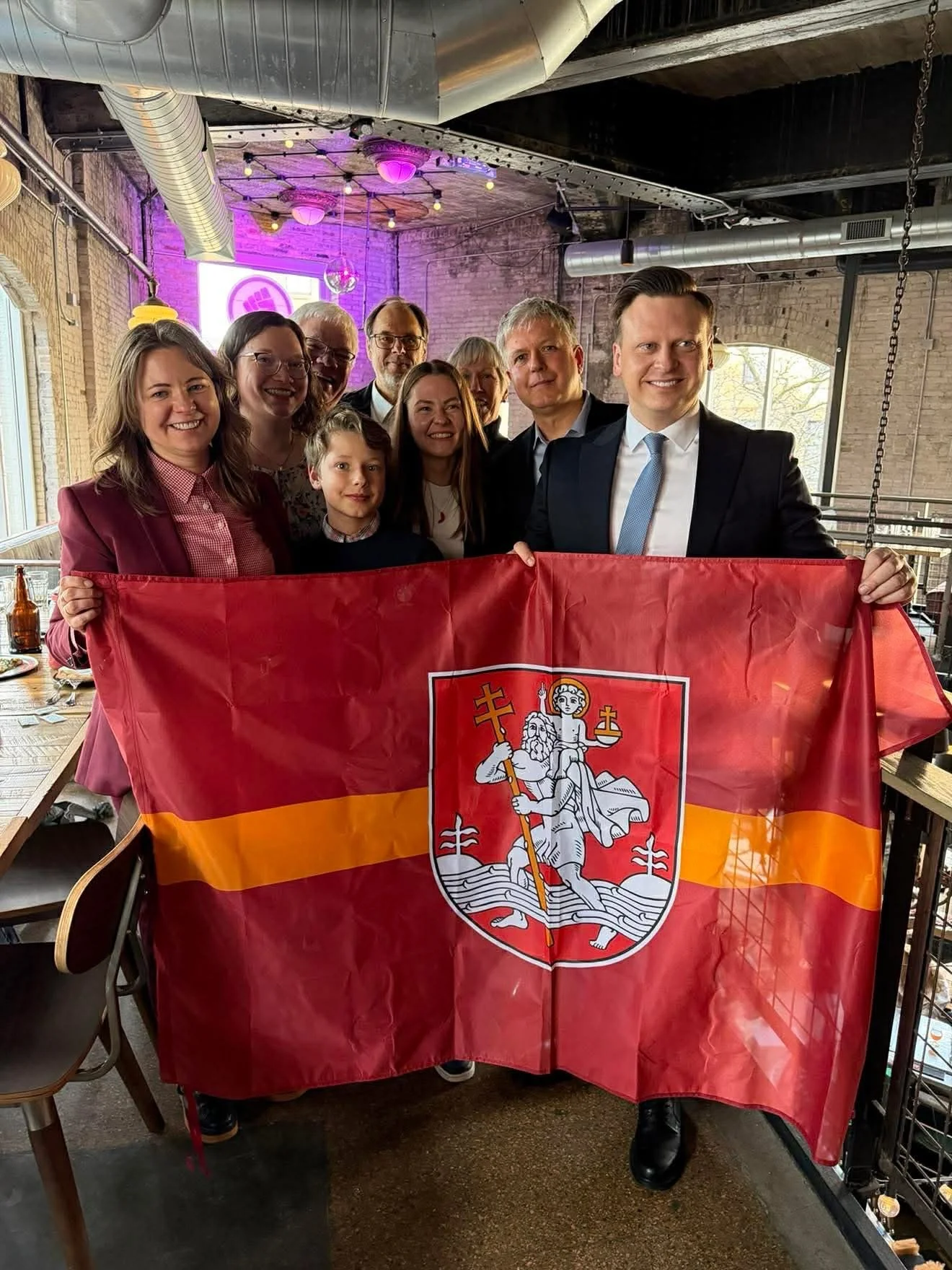
The mayor presented a City of Vilnius flag as a symbol of enduring connection, and the room came alive with ideas: cultural exchanges, youth programs, professional and business partnerships, collaborative projects that could stretch across the Atlantic and enrich both cities. The meeting closed not with a period, but with a shared commitment to continue the conversation and build on this momentum at the city level, continent to continent.

Mayor Benkunskas then continued his American journey to Chicago, where meetings with the Lithuanian-American community awaited.

Why This Moment Matters

We live in an era when international partnerships at the city level carry growing importance. When national conversations grow complicated, it is often cities and ordinary citizens with their shared concerns about streets, buses, parks, and schools that find the clearest common ground.

Madison and Vilnius remind us that civic friendship is not a relic of the past. It is a living, breathing force, capable of producing real ideas and real connections. The electric buses Mayor Benkunskas rode through Madison's streets may one day inspire quieter, cleaner streets in Vilnius. The connections rekindled in a Madison meeting room may one day bring young people, artists, and professionals between two great cities that have chosen, year after year, to see themselves in each other.

The visit was organized by the Chicago Consulate General, the City of Madison Mayor’s Office, and Madison-Vilnius Sister Cities Board.

Here's to the next visit and to everything it will build.

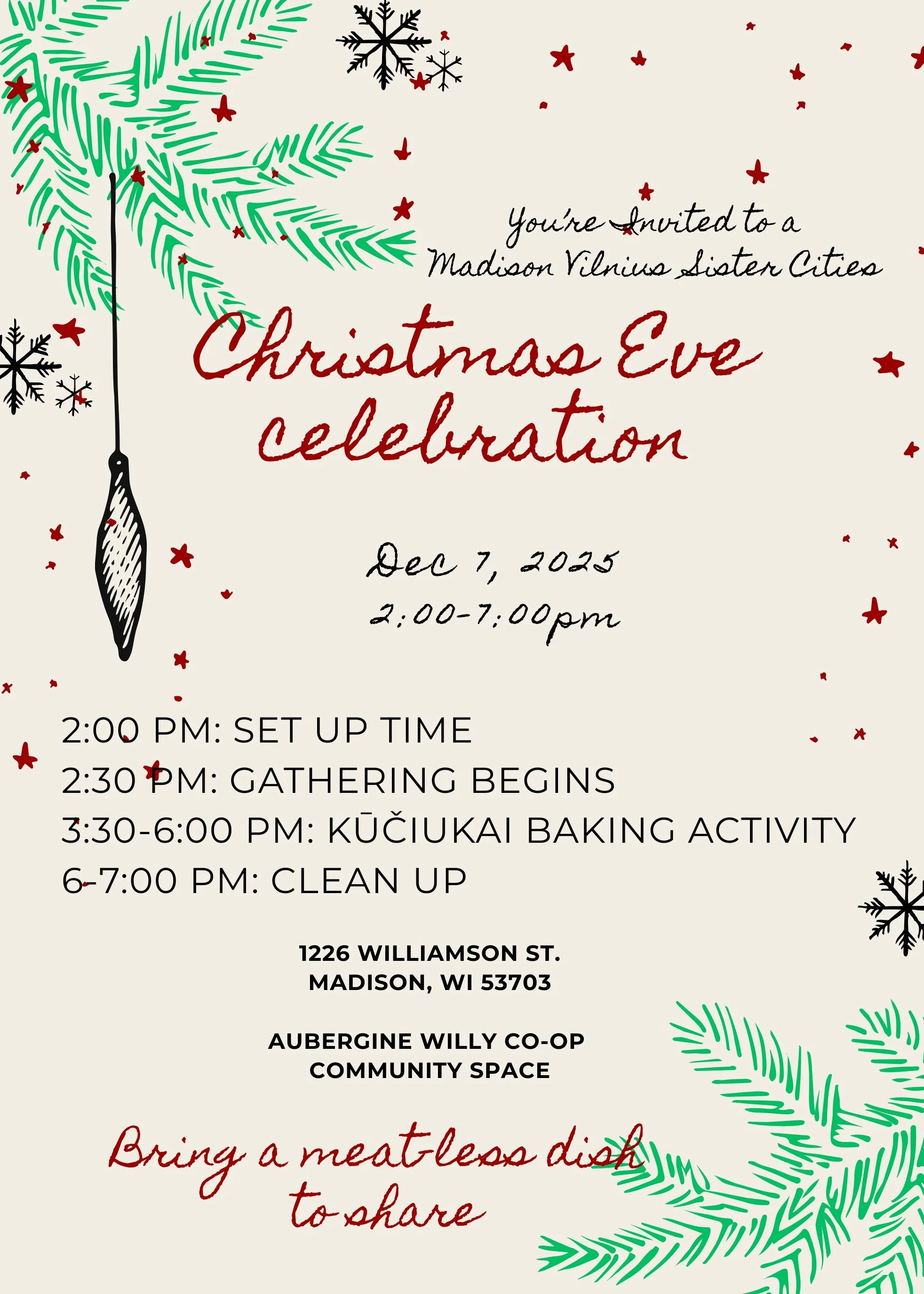
Christmas Eve 2025

Kūčios is a unique visit to a Lithuanian family on the most mysterious evening of the year. Hay under the white tablecloth. 12 dishes (but there are hundreds of recipes and every household's herring is slightly different). Fortune-telling, predicting the future, animals speaking in human language after midnight when no one can hear. Food left on the table for spirits.


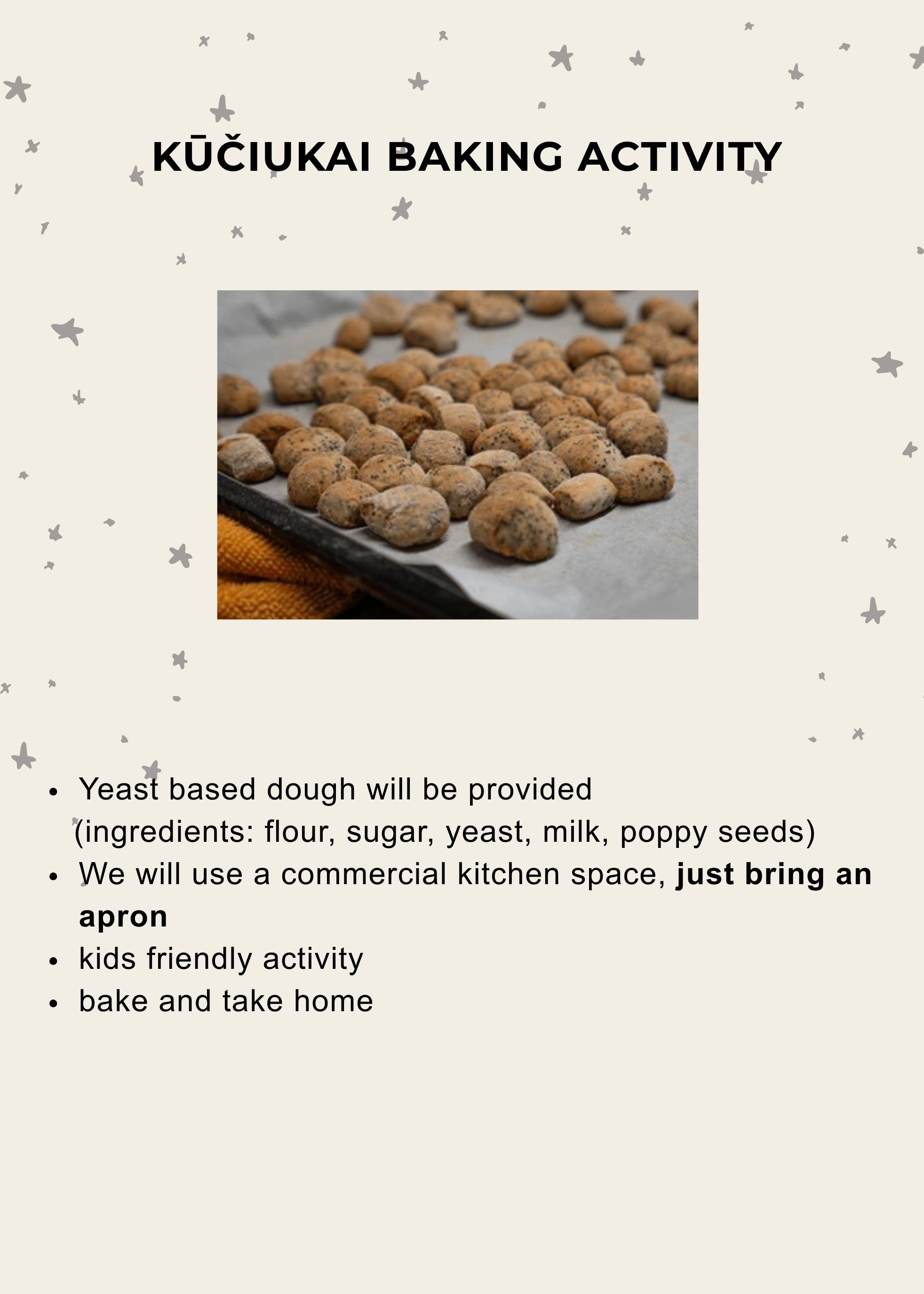
This year, Madison Vilnius Sister Cities will commemorate Lithuanian Christmas Eve traditions by breaking the wafer together, with a potluck Christmas Eve dinner and baking kūčiukai. Kūčiukai are called by various names: kleckai, skrebučiai, sližikai, šližikai. It all depends on which region your grandparents and great-grandparents came from. But whatever you call them, you can't ruin them. We will bake kūčiukai together. We'll meet at the Aubergine space (near the East side Willy Street Coop store), use the large kitchen space and appliances, I'll bring plenty of yeast dough and we'll bake kūčiukai together. Bring an apron, good spirits, and a plate of herring (or another favorite meatless dish).


Narbutas Furniture: From Ukmergė to Madison

On a sunny October evening, about 30 Madison residents gathered to experience Narbutas office furniture firsthand and learn about the Lithuanian company's journey into the U.S. market. The event took place at Building Services Incorporated Smart Spaces, thanks to Annikki Lehtinen, a Finnish-American who graciously hosted us for the entire evening. As they say, Lithuanians find neighbors everywhere.

Madison Vilnius Sister Cities organized the event for anyone interested in innovative furniture design, the story of Lithuanian companies entering the American market, and connecting with fellow organization members. Many attendees admitted this was their first time hearing about Narbutas furniture.

Milda Aksamitauskienė, President of Madison Vilnius Sister Cities, shared a memorable childhood story. Back in 1997, she watched "Panorama" and heard about a factory where everything was controlled by computers, at a time when she herself didn't even know how to turn one on.

Throughout the evening, guests tested various pieces from the Narbutas collection:

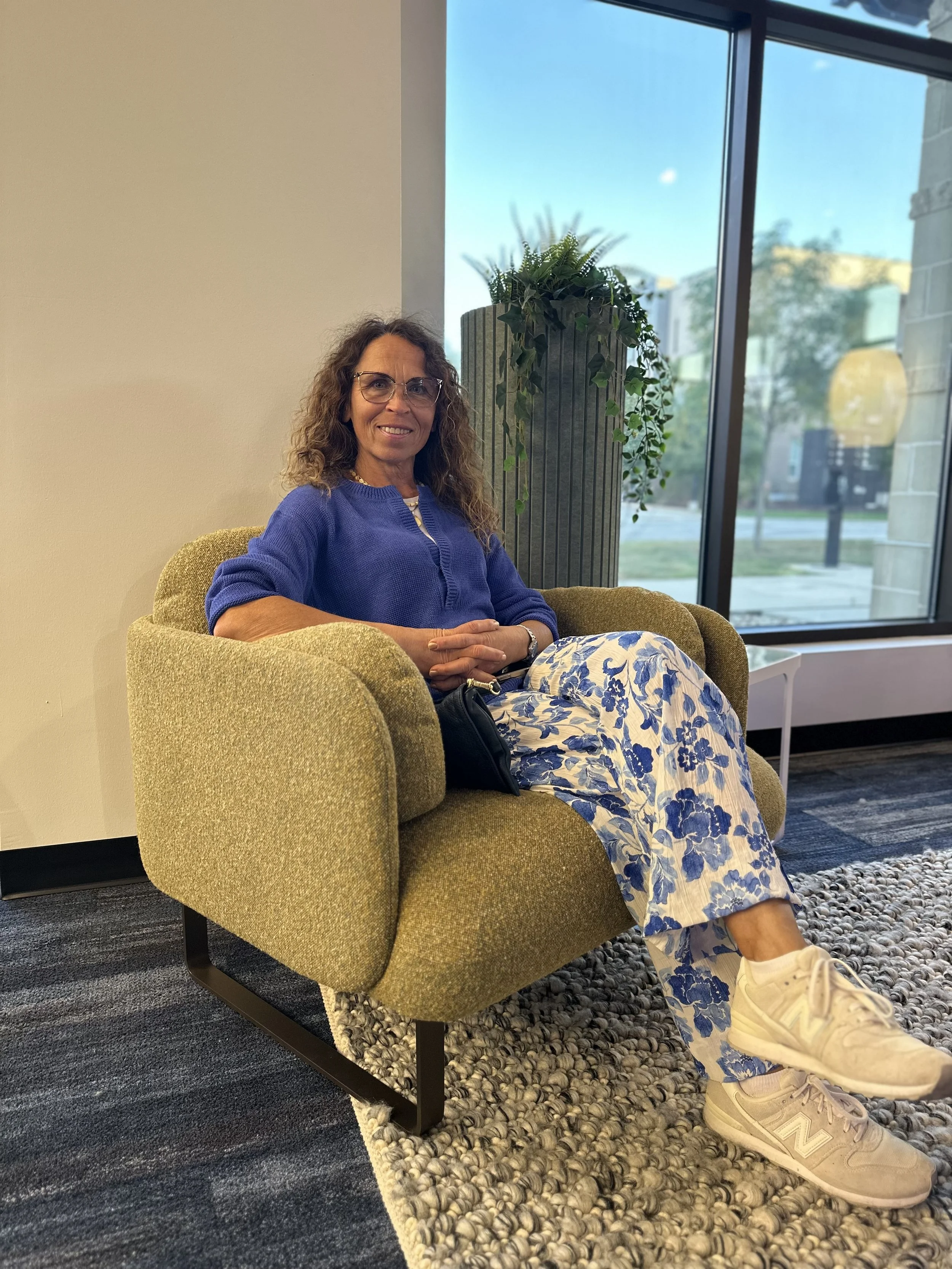
Živilė Kudzin, MVSC Vice President, relaxed in the MYAMI armchair—a green low-back lounge chair designed by MUCNYC design studio. Nearby stood a PARTHOS acoustic column, a tall green planter that combines aesthetics with sound absorption.

James Kudzin, MVSC member, gathered around the ZOOZOO table, part of an oval table and nesting ottoman collection designed by Annie Lee for comfortable collaboration and idea-sharing.


Asta Mullholand, MVSC member, settled into the SANDIE chair, a dark grey wing-back design by Baldanzi & Novelli that offers exceptional comfort.

Bradley Fisher, Narbutas' Chicago representative, walked attendees through the company's journey, from its beginnings and factory expansion in Ukmergė, Lithuania, to establishing its first U.S. office in New York City. What makes Narbutas unique is their sustainability commitment to keeping all production in Lithuania while collaborating with designers from around the world and winning international awards. The company prioritizes sourcing materials locally, near Ukmergė.

Narbutas is now focused on expanding into the southwestern U.S. region, and Madison represents an ideal market. With numerous biotechnology and technology companies in Madison and surrounding suburbs (Fitchburg, Verona), there is probably a strong demand for quality office furniture. While tariffs create some uncertainty, the opportunity is clear.

The evening concluded with an ambitious goal: in one year, we should reconvene to tour a fully furnished office showcasing more tables and chairs from the Narbutas catalog. The journey from Ukmergė to Madison is just beginning.

Upcoming fall events

Mark your calendars for upcoming events, plus update on Žaibas dance practices.

September 6 - annual MVSC picnic. Our vice president Živilė Kudzin is the lead organizer for the event. I appreciate her putting effort to think through a lots of details to make sure all of us will have fun. Put the date on your calendar and plan to attend. It is a casual event where we gather for a good company and potluck food. Bring a dish to pass. No special theme, but you can think about salad, finger food, or “buterbrodai” (Lithuanian style open face sandwiches) and “tinginys” (lazybones, traditional Lithuanian dessert).
It is still far out, but we will monitor the skies and will update you in case the weather doesn’t cooperate with us.

SAVE THE DATE - October 7 - Narbutas presentation. Narbutas is a well known Lithuanian office furniture company. The main factory is in Ukmerge. Read a short letter from the founder Petras Narbutas how it all started. To get a taste of what kind of furniture they make, feel free to browse their youtube channel here.
More details and invitations coming soon. This will be an RSVP event.

Žaibas, our Lithuanian dance group, is planning to start practices in the fall. Decisions about specific rehearsals will come at a future date, but will likely continue on Sunday afternoons, though the weekly regularity and schedule is TBD. The goal is to participate in Šokių Šventė, the Lithuanian Dance Festival, in Chicago next July 10-12, 2026.

If you are thinking “maybe I should join this year”, I highly encourage to join us. Practices are fun, great way to exercise, the dance group is very friendly and encouraging community. We are not competitive or professional dancers, we come here because of a community. Instead of scrolling social media on your phone, come spend some time with a good group of people (and improve your polka skills). Trust me, being on a dance floor with several thousand other Lithuanian dancers is a feeling worth those practices!

If you would like to dance, please contact Asta Šepetys astasep@charter.net.

Here is the official Šventė promo YouTube video (in Lithuanian):

July 2025 edition

Letter from the president

Labas,

I hope everyone’s gardens outside or flowers on windowsills are growing and blooming. Summer is here. While Madison Vilnius Sister Cities board does not actively meet during the summer months, I am writing to introduce myself and share some upcoming ways to get involved.

My name is Milda and I am the president of the MVSC. Daina Juozevicius gracefully led us for so many years and she has a full right to step down from the most active role. Thank you, Daina, and we will see you around.

I have called Madison my home since 2004 when I took my first full time job and moved here from Chicago. I was born in Kaunas, Lithuania and now have spent more years in the States than in Lithuania. During the 2023-24 academic year, I had a Fulbright award and I moved the whole family to Vilnius. Spending one year in Lithuania and participating in all activities (work, school, family, holidays, travel, opening bank accounts) was an extraordinary experience. 

I became a fan of Vilnius and even a bigger fan of Madison Vilnius Sister Cities. With all the geopolitical events, promotion of peace through knowing one individual, one community at a time is an extraordinary diplomacy tool available in our hands. As I met with the Board Members in May and discussed ideas for our organization, one theme clearly stood out. Lithuania and Vilnius need to be known, known as a modern country with the fastest internet service, country with a growing economy, a city with beautiful architecture, a city that recycles, a city with well working trolleybus and bus systems. Madison, Wisconsin can also be better known in Lithuania. People say thank you when they step out of a bus, neighbors are friendly, summer theater under the sky (American Players Theater), flagship university, teaching hospital, biotech industry. Whatever makes you tik about Vilnius or Madison, please share it and join our organization. Our communities need to known, one individual at a time. MVSC has been around for close to 40 years and its mission is very relevant to each of us today. 

Milda

The Board of Directors

We had the first meeting after the annual banquet and election of the Board of Directors. The Board elected Milda Aksamitauskas as President, Živilė Kudzin as Vice President, Margarita Swissler as Secretary and Ray Bandziulis as Treasurer.

Activities

Contact information. We are restarting a regular delivery of newsletters but we need your help to make sure our materials reach your email inbox. It is important for us to have your updated contact information: name, address, email address and phone number. We will use email to send you newsletters and we want to be sure we have the current email address that you use. Home address and phone numbers are to assure us we know who our members are and we have a way to connect with you if we have specific questions/needs. 

By-laws review. MVSC bylaws were written many years ago and kept our organization going strong. This summer and fall there will be a small workgroup reviewing the language and updating of our processes. Like any operating system, it needs a clean up and update.

Youth committee. MVSC is creating a youth committee to engage and grow our next generation of leaders. We are looking for members (highschool or in their 20s) who like Lithuanian chocolate, biking, swimming, hiking, dancing, writing…. We want to hear from young people on what is a fun way to connect with other young MVSC members. Maybe a blind tasting competition of Tinginys? Watching a movie together?

Vilnius committee. MVSC is creating a Vilnius committee to engage residents of Vilnius and Vilnius city administrators. 

Fall picnic. Make sure you have marked your calendars for Sep 6, 2025. That is this year’s MVSC picnic date. More details will be shared later.

Narbutas. Narbutas furniture company is well known in Lithuania and has a growing market in the US. They have showrooms in New York and Chicago. In early October, Narbutas will visit Madison. Stay tuned for the invitation to attend the event.

Your action

Fill out Membership Brief Survey. We have shared a lot of information and would like to get some feedback from each of you. If you read the newsletter up to this point, please respond to a really short survey.